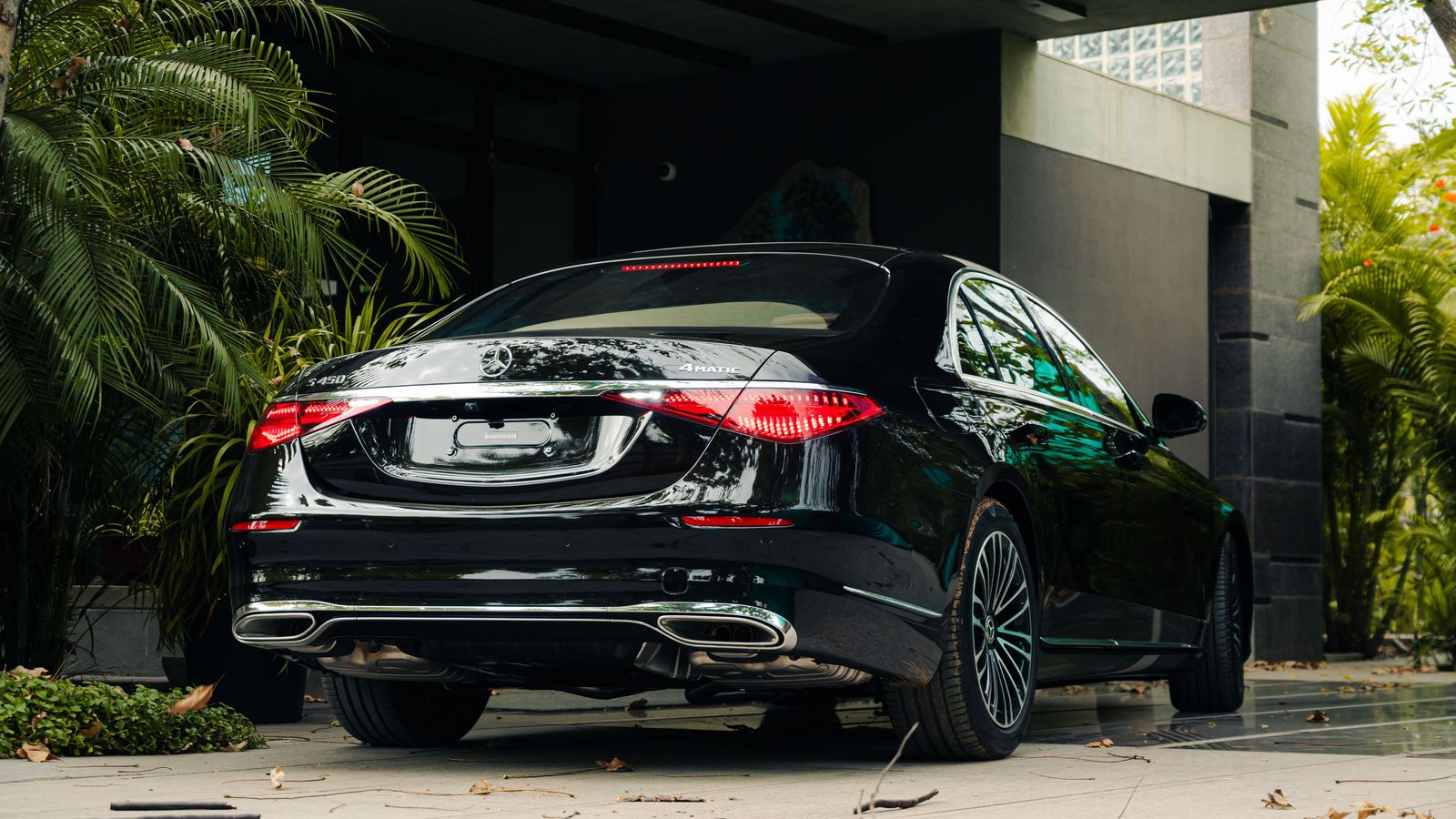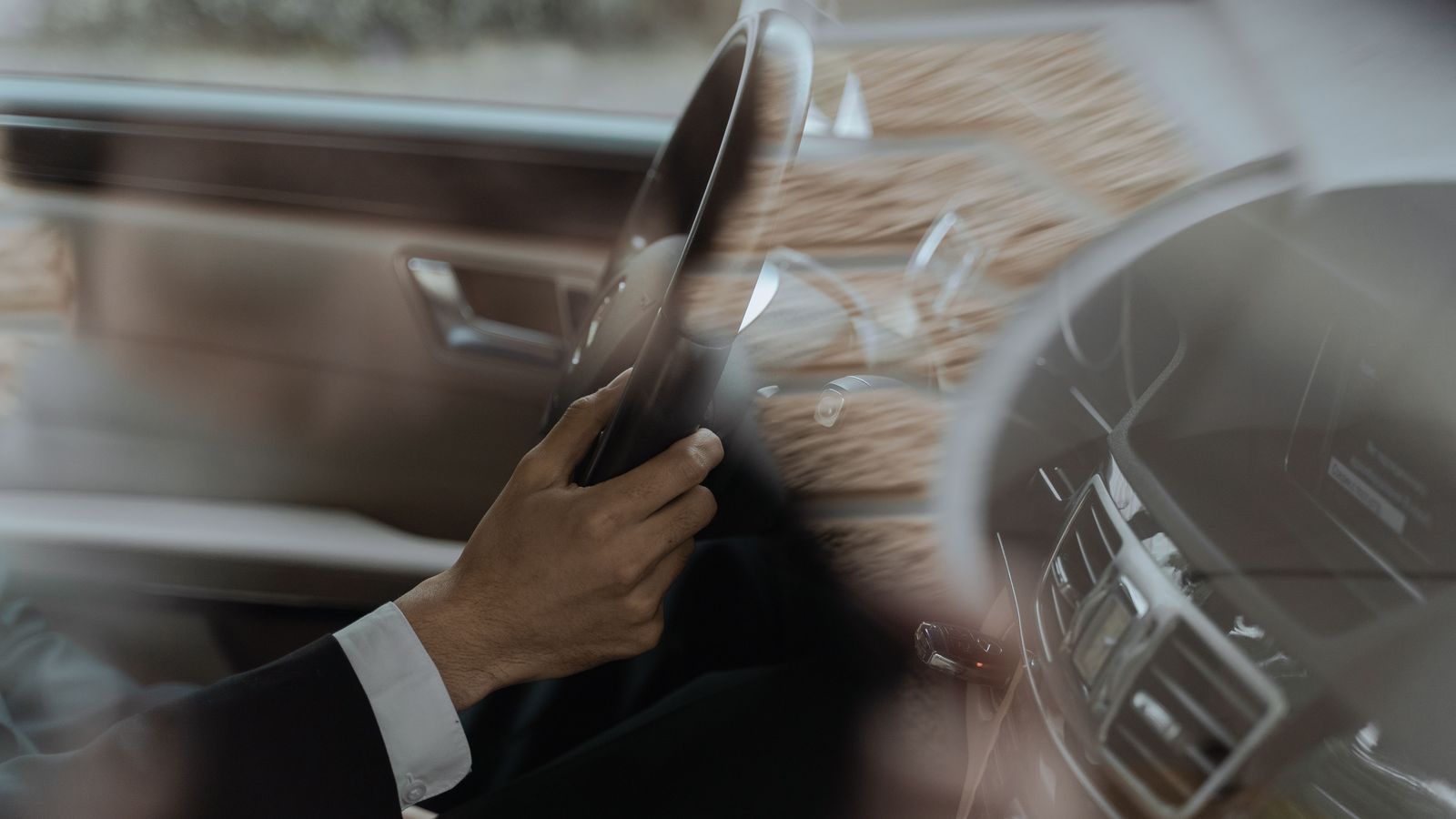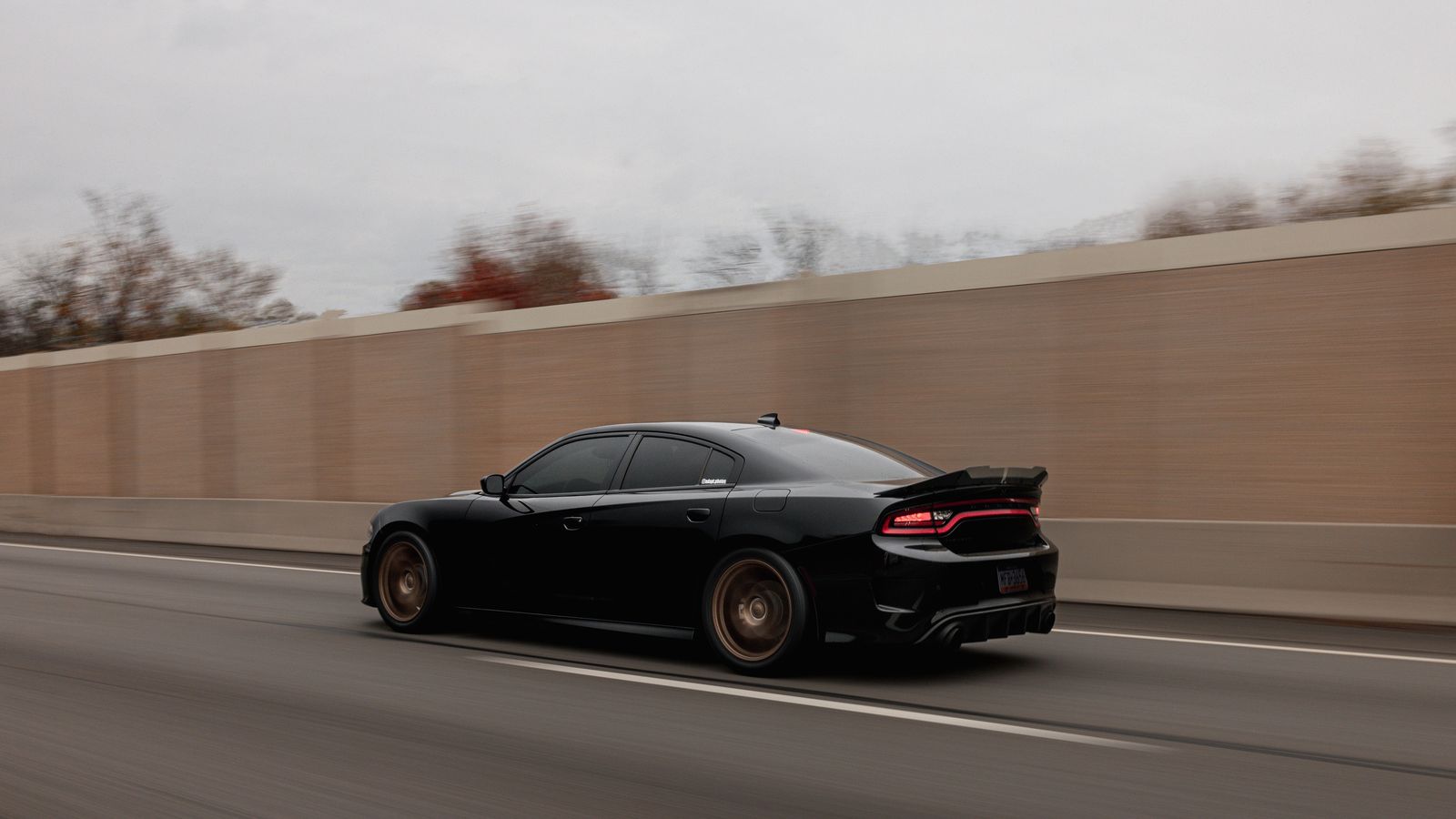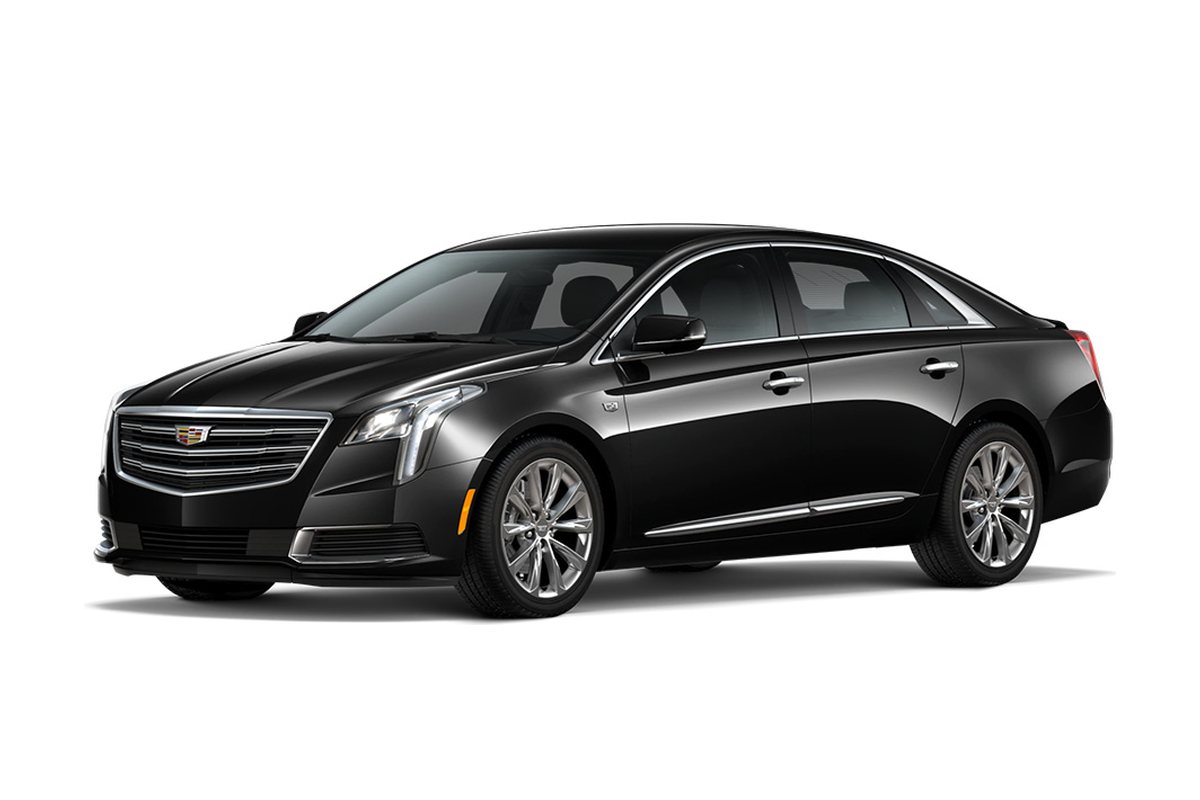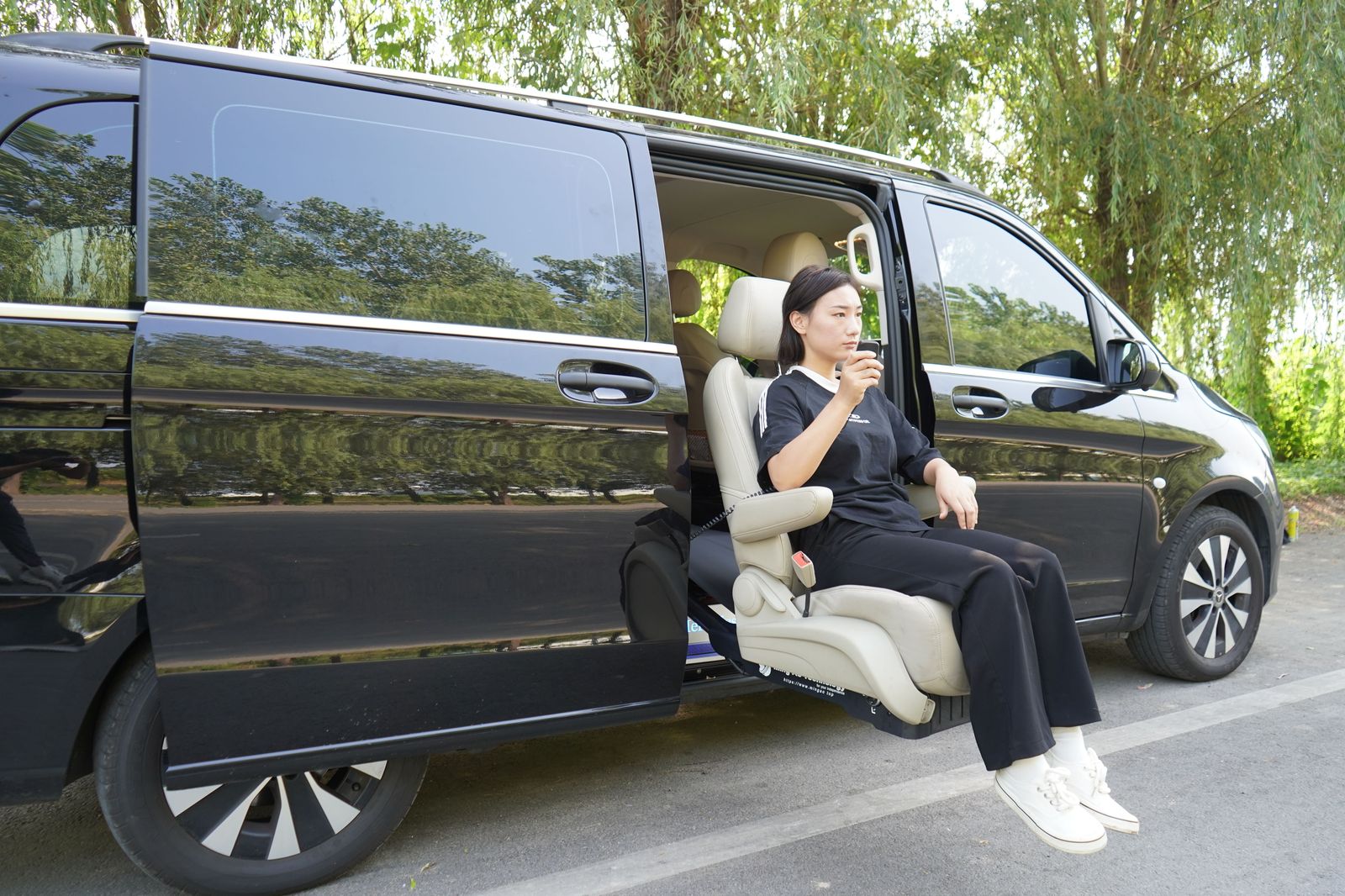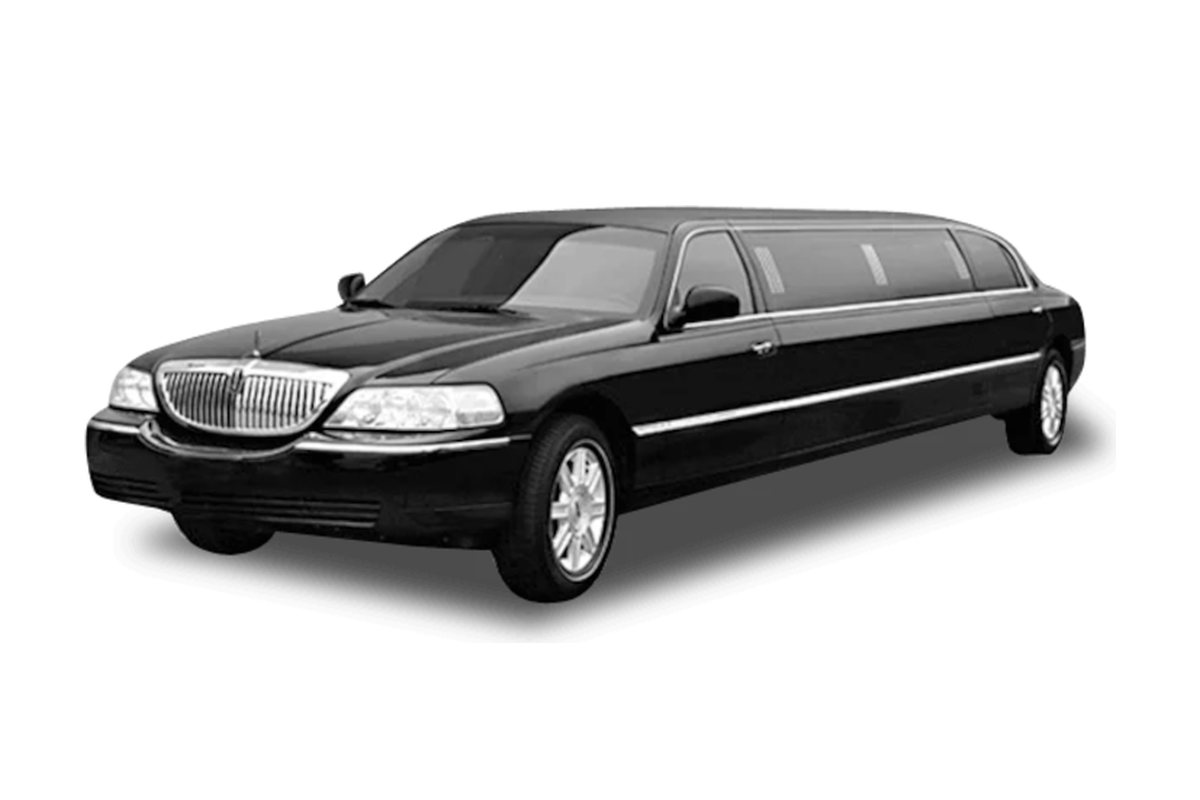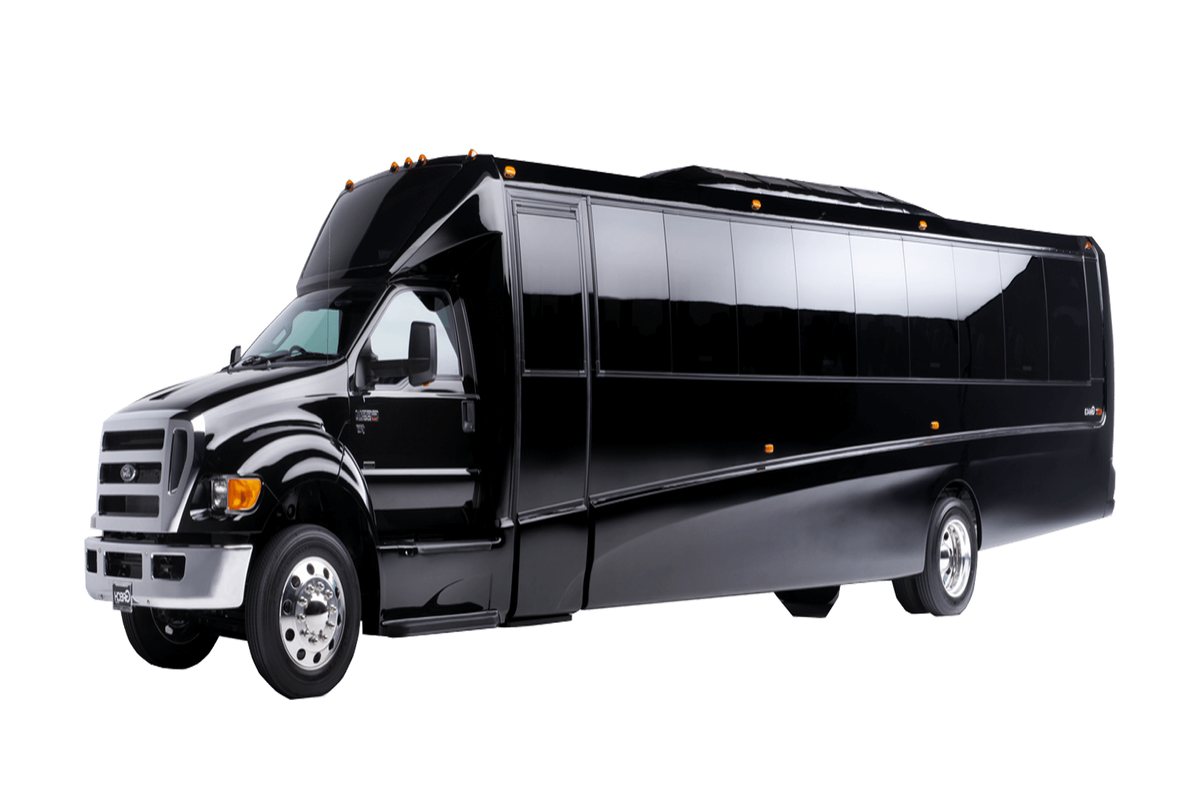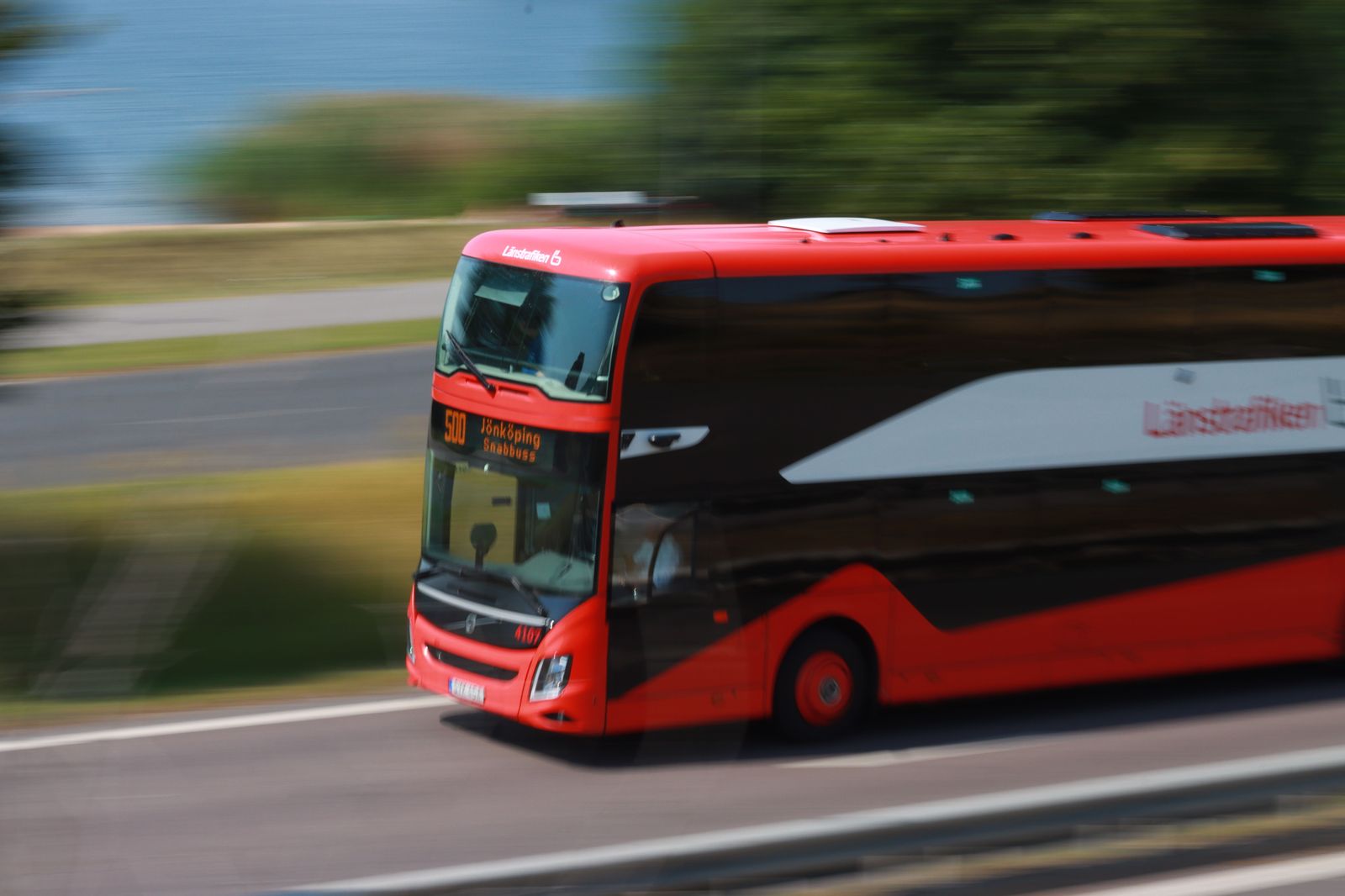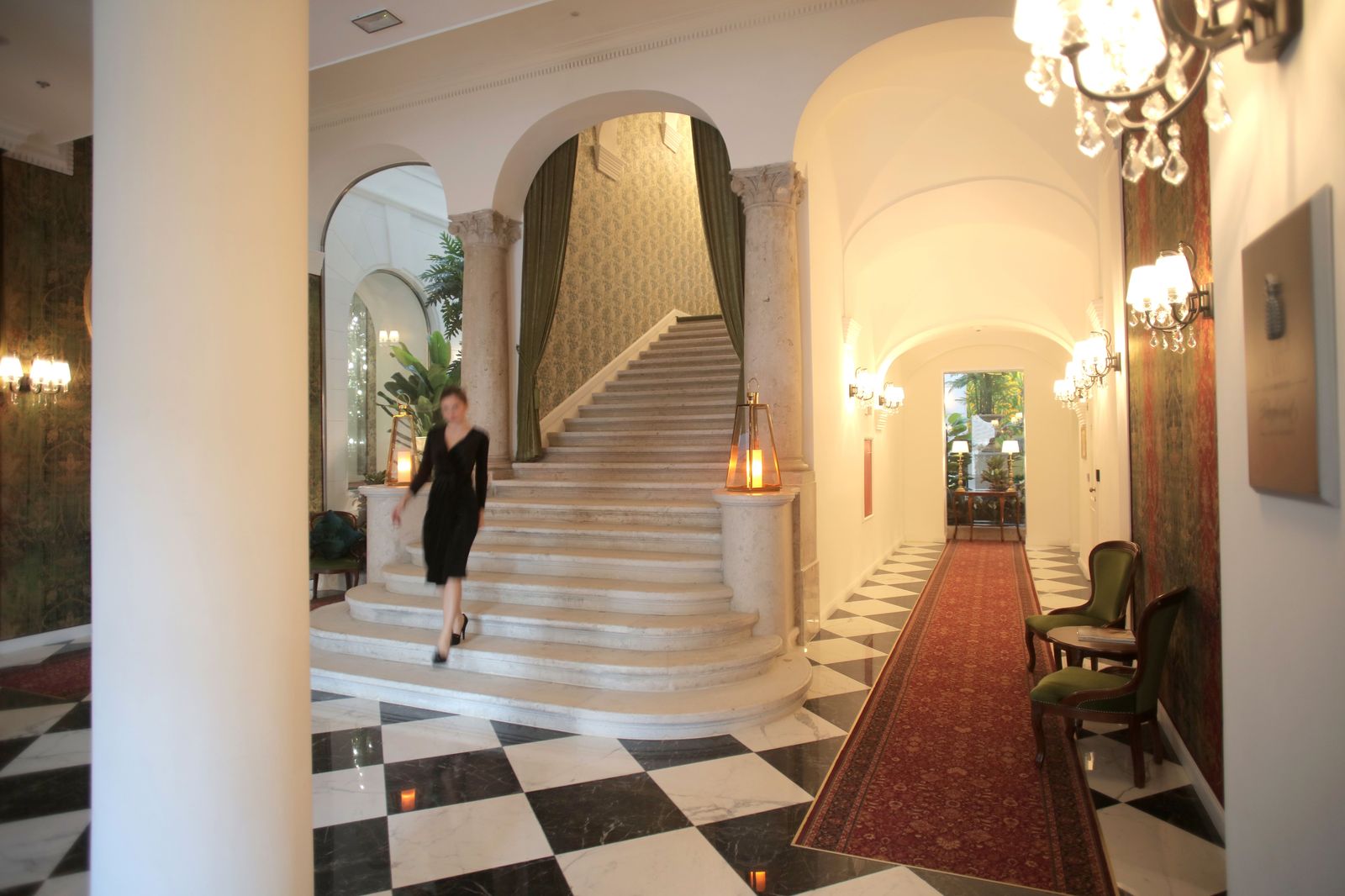
Every HamiltonLimo.net chauffeur is licensed for carrying passengers for hire, screened before driving for us, and trained to a written standard on punctuality, dress, conduct and discretion. They drive the escarpment accesses, the QEW, the 403 and the Linc every day, in every season. On an hourly booking your chauffeur stays with the car, waits at each stop and follows your plan for the day.
What a HamiltonLimo.net chauffeur is
A chauffeur is not a driver who happens to own a nice car. A chauffeur is a professional whose job is to get you somewhere on time, safely and in a state to do whatever you are going there to do, and to be invisible while doing it. The difference shows in small things: the car on location before the pickup time, the door opened on the curb side, the luggage lifted without being asked, the phone call you take in the back seat treated as if it never happened.
This page sets out the standard our chauffeurs work to, so you know what to expect and what to hold us to. It applies equally to the chauffeur on a $90–115 run to Hamilton airport and the one kept for a full day as your private chauffeur in Hamilton.
Licensing for carrying passengers for hire
Driving passengers for compensation is regulated work in Ontario. In Hamilton, the City licenses limousine owners and drivers under its Business Licensing By-law; the City of Hamilton publishes the licensing requirements. Chauffeurs who drive our 14-seat Sprinters also hold the bus-class driver's licence Ontario requires for vehicles designed to carry ten or more passengers; the province explains the classes on its bus driver's licence page. Every vehicle carries commercial passenger insurance.
Partner operators who supply stretch limousines, Rolls-Royces, party buses and coaches are held to the same requirement: licensed for the vehicle they drive and the work they do, under the standards that membership of LimousineAssociation.International sets out.
Screening before anyone drives for us
Before a chauffeur carries a passenger for HamiltonLimo.net, we check the things a passenger cannot check from the back seat: the driving record, a criminal record check, references, and the right to work in Canada. New chauffeurs ride along and drive supervised routes before they take bookings alone, including the airport curbs at Pearson and YHM, the pavilion at Billy Bishop and the pickup points around Union Station. Records are rechecked on a regular cycle, and a chauffeur whose record changes does not drive until it is reviewed.
Dress and presentation
Our chauffeurs wear a dark suit, a white or light shirt and a tie, with black shoes, as the default. In summer heat, the jacket may come off for the drive but goes back on at the curb. For weddings and formal events the standard is a black suit; for film crews and site visits where a suit looks out of place, a coordinator can agree smart dark clothing in advance. Personal grooming is conservative, and there is no smoking or vaping in or near the vehicle, ever.
Conduct in the car
- The chauffeur introduces themselves, confirms your name and destination, and asks about temperature and music. After that, conversation is yours to start.
- Phone calls in the back seat are private; the chauffeur does not comment on them, repeat them or take notes.
- The chauffeur uses a hands-free device only for dispatch and navigation, never for personal calls while driving.
- No food, no fragrances and no personal errands on your time.
- Luggage is lifted, loaded and unloaded by the chauffeur.
- On arrival the chauffeur opens the door and, at a hotel or office, sees you to the entrance with your bags.
How our chauffeurs drive Hamilton
Hamilton asks more of a driver than most cities its size. The escarpment splits the city, and the accesses between the lower city and the Mountain (the Claremont Access, the Jolley Cut, Sherman, Kenilworth, James Mountain Road) each have their own grades, curves and bottlenecks. The Lincoln M. Alexander Parkway and the Red Hill Valley Parkway move traffic across and down the Mountain quickly but slow at the merges. The QEW crosses the harbour mouth on the Burlington Bay James N. Allan Skyway, exposed to wind off Lake Ontario, and the 403 climbs through Aldershot toward Oakville and Mississauga.
Our chauffeurs drive these roads daily. They know which access to take from Westdale or Stoney Creek to reach the airport at 5 a.m., when the 407 is worth the toll to Pearson, and how long the Burlington stretch of the QEW takes on a Friday afternoon in July. The standard is smooth rather than fast: no hard braking, no lane-weaving, and speed that suits the road and the weather.
Winter on the escarpment
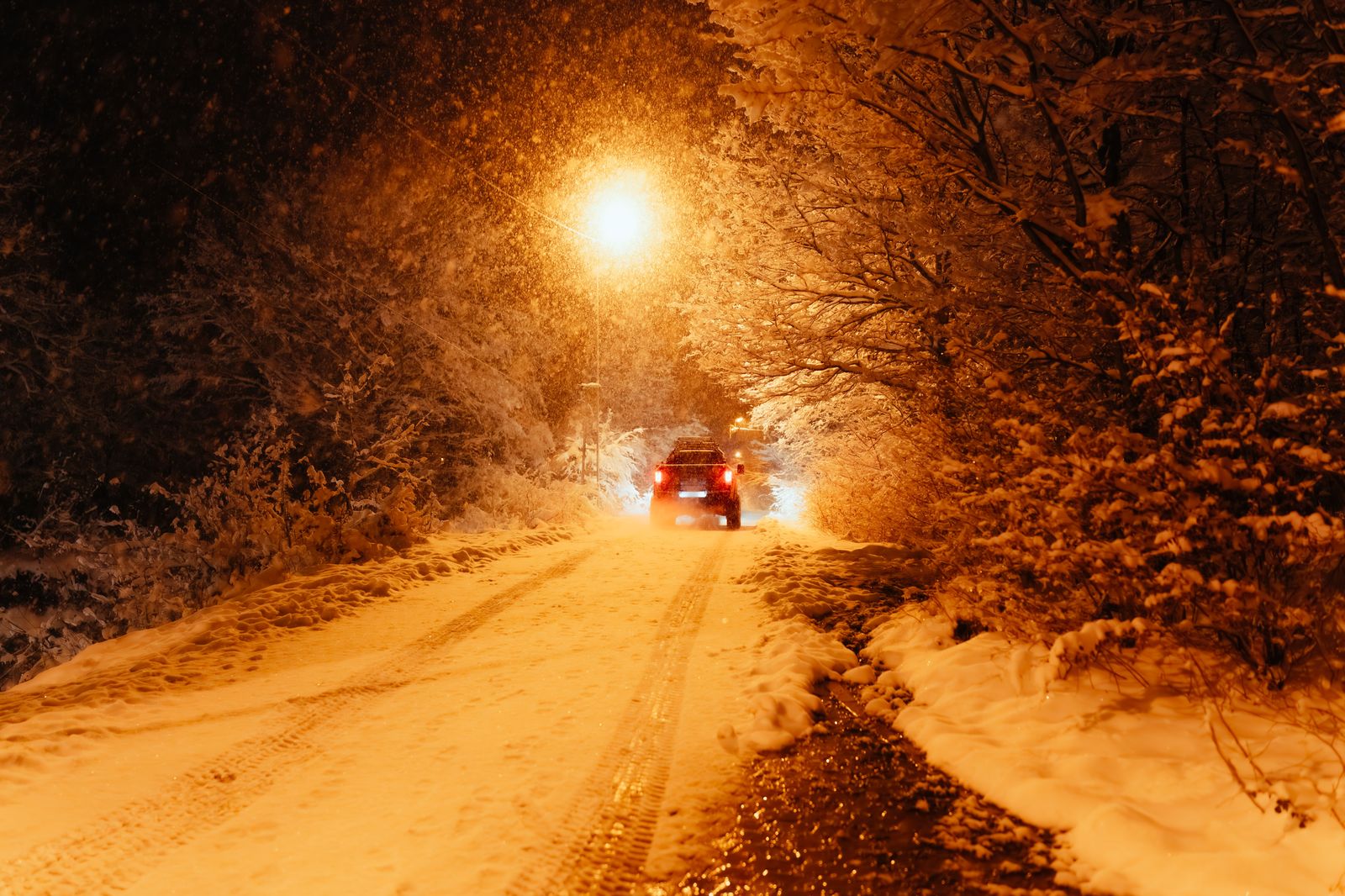
Winter is where training shows. Lake-effect snow can close visibility on the QEW in minutes, and the escarpment accesses ice up before the rest of the city. Our cars run winter tires from November to April, carry scrapers, brushes, washer fluid rated for deep cold and a blanket. On storm days the chauffeur checks Environment Canada forecasts and Ontario 511 before leaving, picks the gentler access (often the Linc and the Red Hill rather than the Jolley Cut), leaves earlier for airport runs, and tells you honestly if the safe time to leave for Pearson is earlier than you planned.
Punctuality
The chauffeur is on location before the pickup time, typically ten to fifteen minutes early for a home or office pickup, and texts when in position. For airport pickups the chauffeur is timed to the tracked landing, not the scheduled one, and waits at the commercial pickup area or, with meet and greet, inside arrivals with a name board. For station pickups the chauffeur tracks the train, which matters for VIA arrivals at Aldershot and GO trains into Hamilton GO Centre.
Discretion
What happens in the car stays in the car. Our chauffeurs do not name passengers, share photographs, post about their work or discuss one client with another. Cars carry no signs or logos. For medical appointments, confidential business meetings, legal matters and private family occasions, that discretion is the service. Clients who want the same chauffeur each time can ask for it, and we honour the request wherever the schedule allows.
The etiquette of an hourly day
The hourly chauffeur service is our lead product, and it has its own etiquette.
- The plan is yours. Share the stops if you know them; if you don't, the chauffeur works as directed.
- Waiting is part of the job. The chauffeur waits with the car, close to the door, and is reachable by text. If the car has to move for parking, the chauffeur tells you where it is.
- Your belongings stay safe. Coats, bags, laptops and shopping stay locked in the car.
- Breaks are the chauffeur's problem, not yours. On long days the chauffeur takes breaks while you are in a meeting or a meal, never when you are waiting at the curb.
- Extra time is easy. If the day runs long, tell the chauffeur; extra time is billed in 30-minute blocks at the booked rate.
Border runs
Many trips cross into the United States: Buffalo airport, Niagara Falls NY, Rochester, Detroit and further. Chauffeurs assigned to cross-border work carry a valid passport and the documents for the vehicle, and know the Peace Bridge, the Lewiston-Queenston Bridge and the Rainbow Bridge. Before the trip they remind passengers to have their own documents ready, and at the booth they let the officer lead and passengers answer for themselves. Official rules for entering the US are on the US Customs and Border Protection site, and for returning to Canada on the CBSA site. Our crossing the border by limo guide walks through the process.
Families, patients and passengers who need extra care
Chauffeurs install child seats you add at booking, help older passengers in and out, and handle walkers and folding wheelchairs. For medical appointments at Hamilton's hospitals, the chauffeur knows the drop-off doors and waits nearby on an hourly booking so the ride home is there when the appointment ends.
Tipping
Gratuity is already included in every HamiltonLimo.net fare, so no tip is expected. If a chauffeur does something exceptional, you are welcome to recognize it, and a note to dispatch is appreciated just as much. Our chauffeur tipping and etiquette guide covers the customs in more detail.
Feedback
If a chauffeur falls short of this standard, tell dispatch, using the contact details in the page header. Every report is reviewed and answered. The same goes for the chauffeur who made the day: those notes are passed on.
Airport and station know-how
Much of a chauffeur's skill is knowing exactly where to be. At Toronto Pearson that means the commercial pickup areas at Terminal 1 and Terminal 3 and the arrivals doors for meet and greet. At Hamilton airport (YHM) it means a short walk from a small terminal and an easy run down Upper James or across the Linc. At Billy Bishop it means the mainland pavilion on Eireann Quay, not the island. At Union Station it means knowing which street entrance suits a VIA or UP Express arrival and where a car can legally stand. Chauffeurs learn these on supervised runs before they drive them alone.
Game days, concerts and big events
Tiger-Cats and Forge FC games at Hamilton Stadium (the former Tim Hortons Field), concerts at TD Coliseum, Supercrawl on James Street North and convocation at McMaster all change the streets around them: closures, police-directed traffic and crowds leaving at once. Our chauffeurs agree a pickup point a few blocks from the venue in advance, text you its exact location before the event ends, and wait there rather than circling. It is slower on paper and much faster in practice. See concert and game-day limo.
Weddings and occasions
On a wedding day the chauffeur works to the coordinator's timeline and the photographer's shots: arriving early, positioning the car for the photographs, opening the door for the bride, keeping water and tissues in the car, and never rushing the couple. Partner chauffeurs driving stretch limousines and Rolls-Royces are briefed on the same timeline. See wedding limo in Hamilton.
Training that continues
Our standard is not a one-time induction. Chauffeurs are briefed before each season on what changes: winter routes and storm procedures in the autumn, wedding and prom etiquette in the spring, event traffic plans before the football season. When a road closes long term, such as a bridge repair or a major construction project on the QEW or the 403, dispatch updates the routes and briefs every chauffeur before the next booking that uses them.