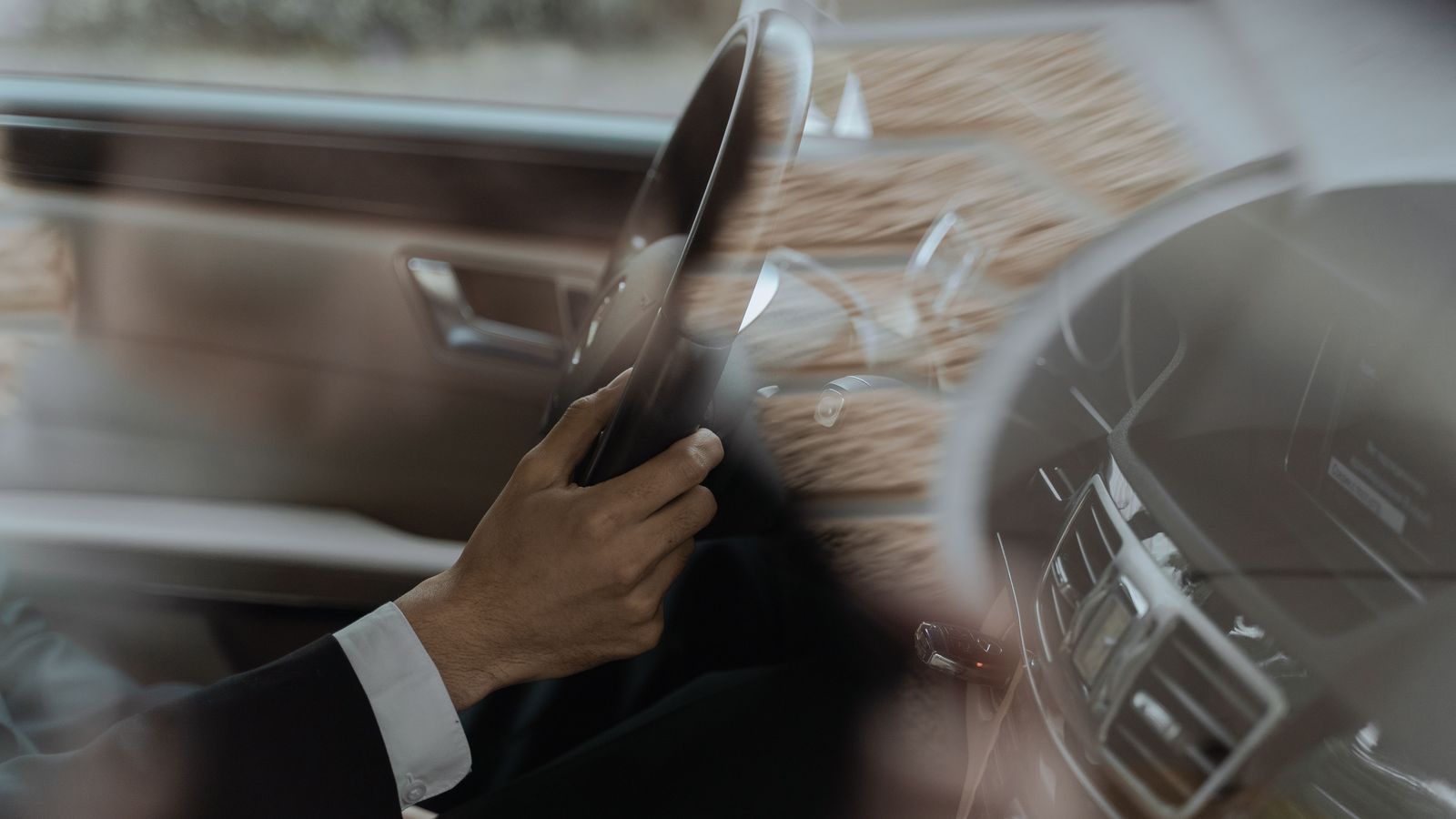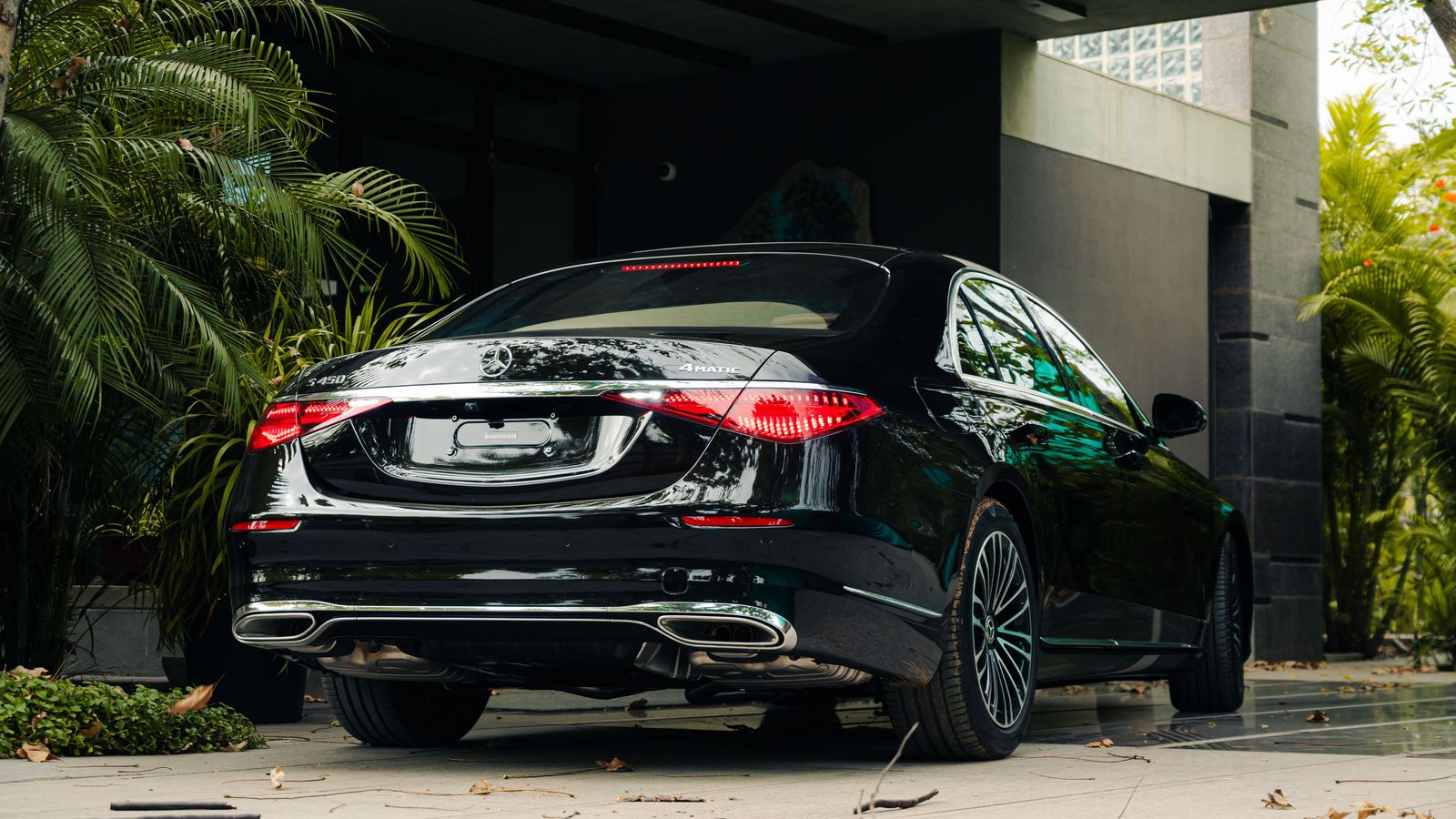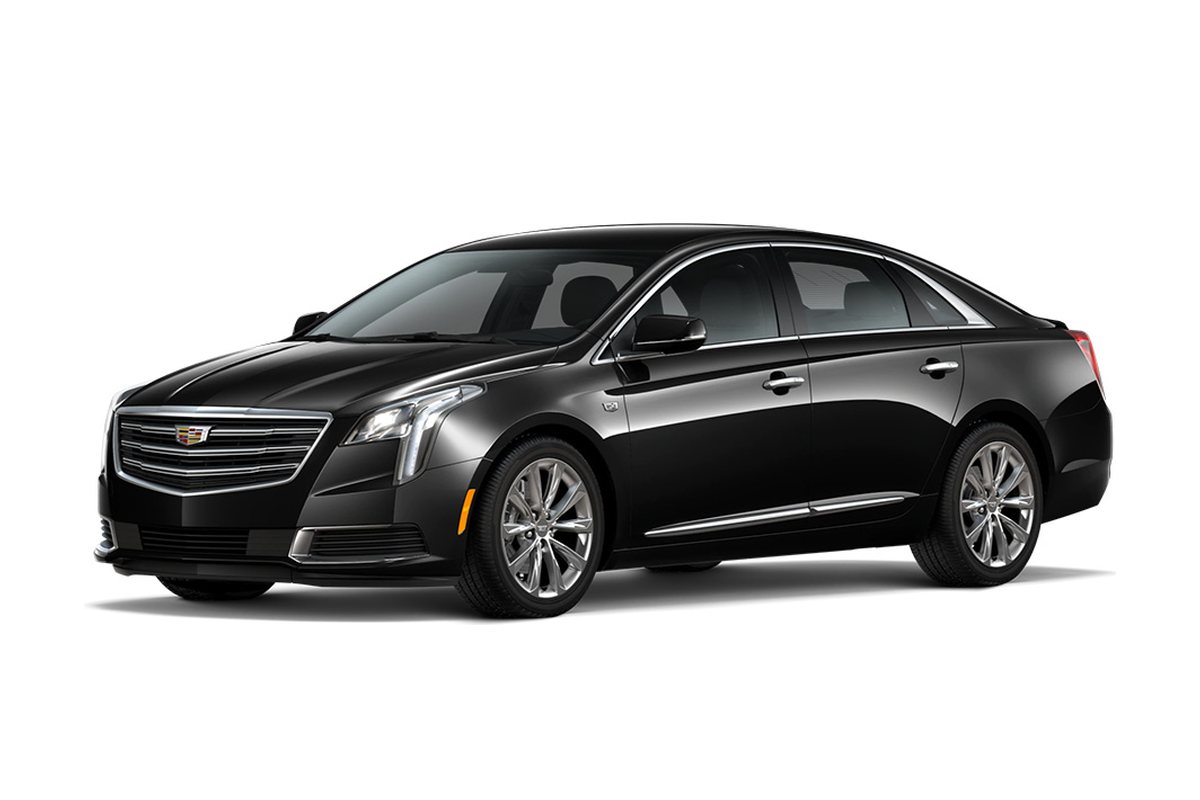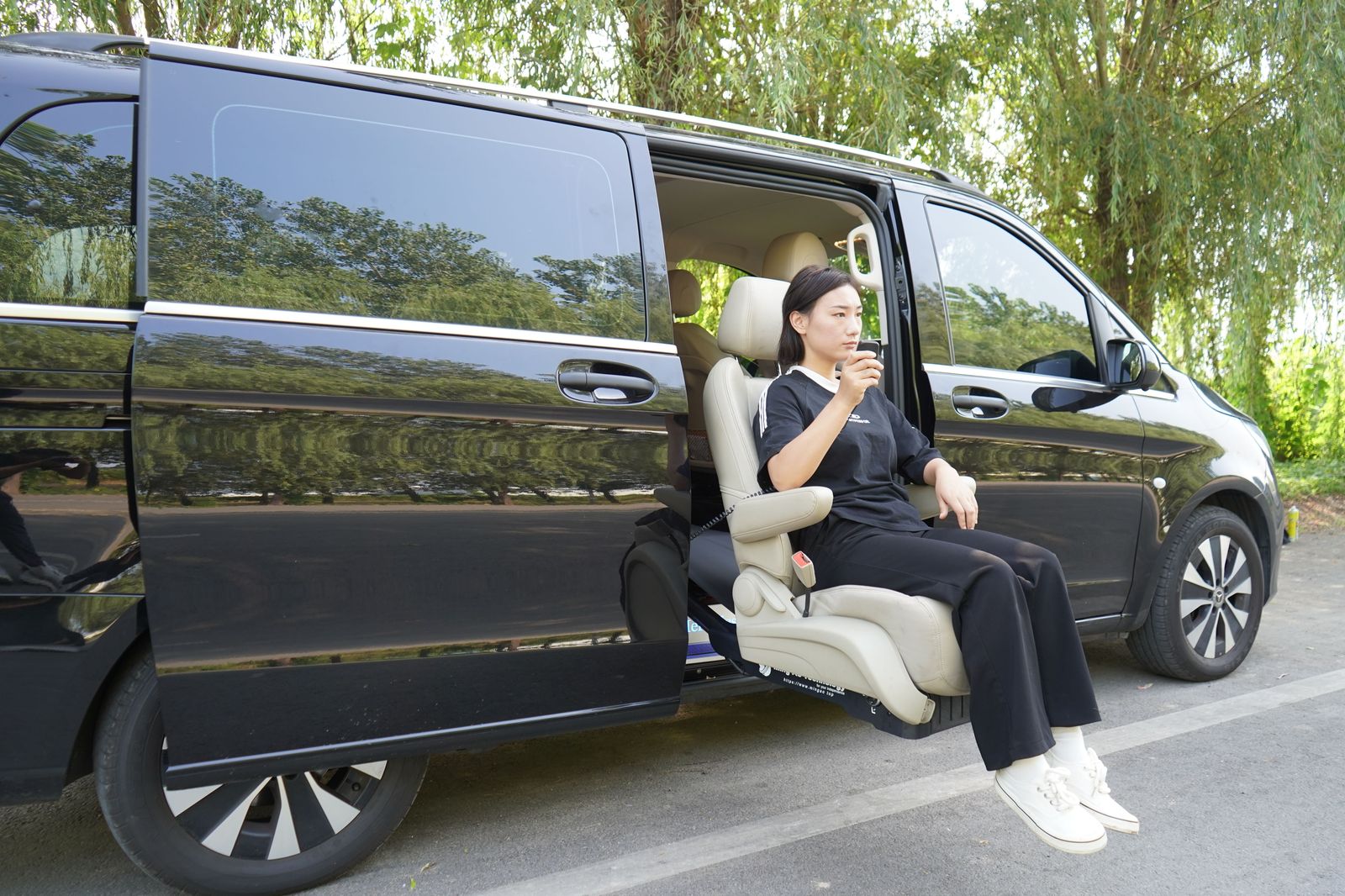
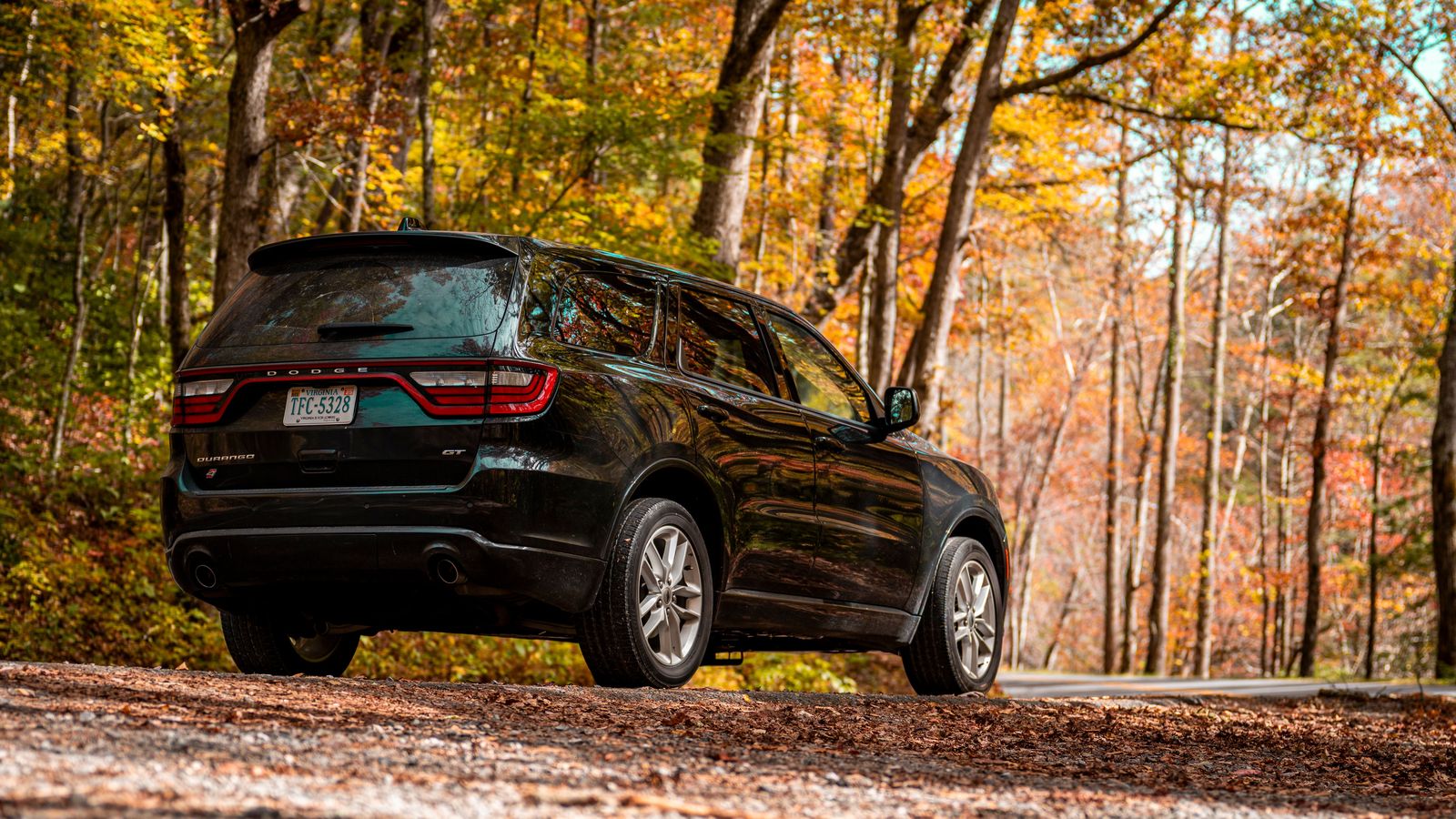
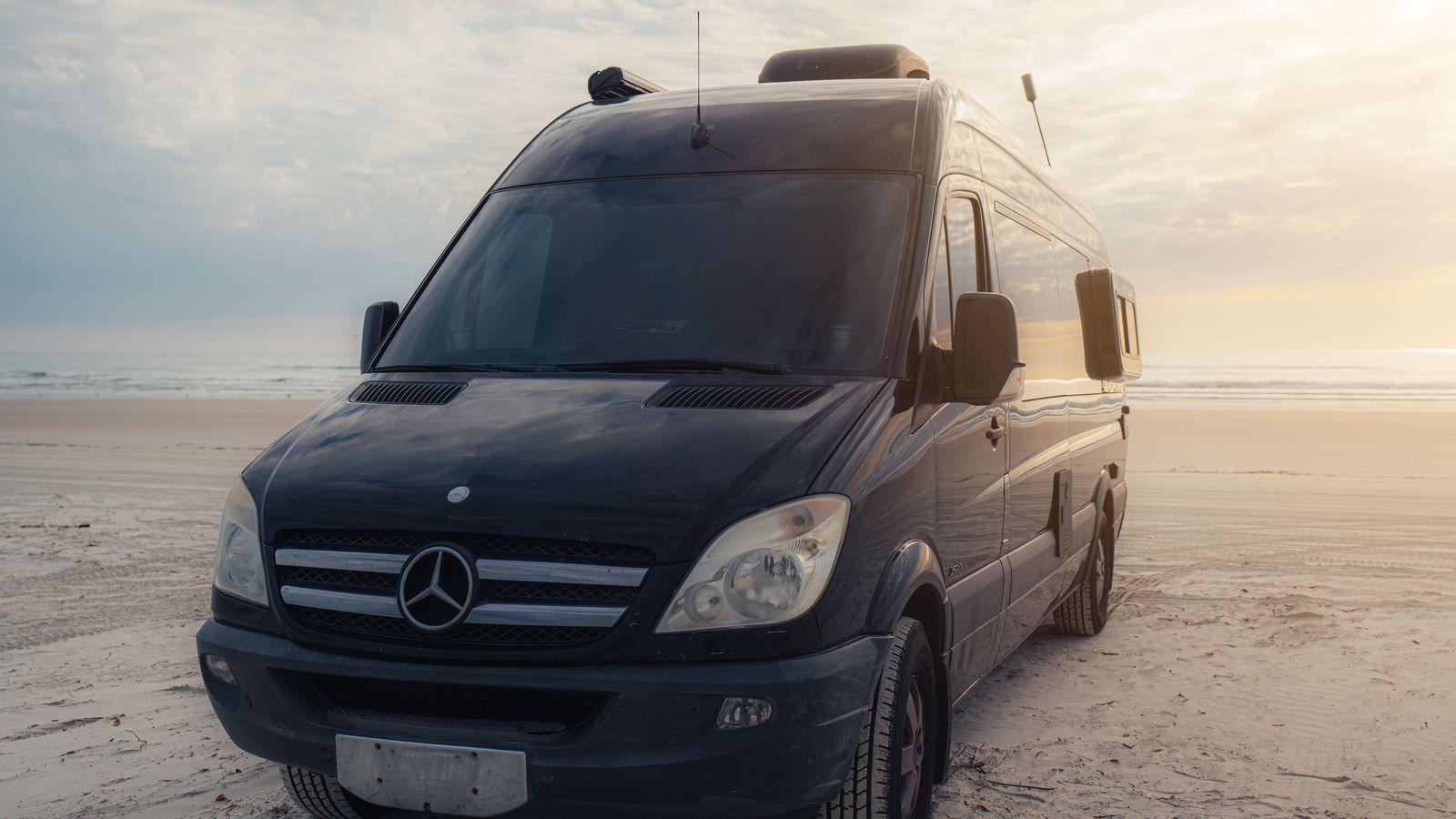
A chauffeur is a professional driver employed to drive passengers in a car they do not own, with a focus on punctuality, safety, discretion and service. In Ontario, carrying passengers for hire requires the right licences and commercial insurance. A chauffeur's day includes vehicle checks, route planning, flight tracking, waiting and helping passengers. Meet ours on our professional chauffeurs in Hamilton page.
What is a chauffeur?
A chauffeur is someone paid to drive other people, usually in a private car, a luxury sedan, an SUV or a limousine, and to look after them while they do. The word is French: chauffeur originally meant a stoker, someone who heats, from the days of steam-powered cars whose boilers had to be kept hot. As petrol cars arrived, the name stuck to the professional who drove and maintained a wealthy family's car.
Today the meaning is about the job rather than the machine. A chauffeur is responsible for the whole journey, not just the steering: being early, knowing the route, keeping the car immaculate, helping with luggage and doors, waiting without fuss, and keeping what they see and hear to themselves.
What a chauffeur does before you see the car
Most of a chauffeur's work is invisible to the passenger. Before a morning pickup, a chauffeur typically:
- Checks the vehicle: tires, lights, fluids, cleanliness inside and out, water, charging cable and umbrella in place.
- Reviews the booking: names, addresses, flight or train numbers, the number of bags, child seats, special notes.
- Plans the route and a backup, checking road conditions on Ontario 511 and weather before long drives.
- Tracks the flight or train if the pickup is at an airport or station.
- Arrives 10–15 minutes early and texts the passenger that the car is in position.
A Hamilton chauffeur's working day, hour by hour
Here is a composite day for one of our chauffeurs, built from the kind of bookings dispatch assigns on a weekday. Fares are our planning ranges, business sedan, all-in plus HST.
| Time | Job | Distance and drive time | Planning fare |
|---|---|---|---|
| 4:45 | Vehicle check, route review, flight check | at base | — |
| 5:15 | Home in Westdale to Hamilton airport (YHM) | about 15 km, 20–25 min | $90–115 |
| 6:30 | Downtown hotel to Toronto Pearson | about 70 km, 45–65 min | $245–300 |
| 9:00 | Pearson back towards Hamilton for a hospital appointment pickup | return drive | — |
| 10:00 | 3-hour hourly booking: appointment, pharmacy, lunch | local, 15–20 km | $360–435 |
| 14:00 | Burlington office to Oakville meeting and back, waiting | 2 × 20 km, 20–30 min each | hourly or two one-ways |
| 17:30 | Clean the car, refuel, end-of-day notes | at base | — |
That day covers about 250 km and two airports, and every minute between the lines is waiting, planning or preparing. It is also why chauffeurs are scheduled with care: a tired driver is not a safe one.
What does a chauffeur do while you are inside?
On hourly bookings, waiting is the job. The chauffeur stays with the car, keeps it at the right temperature, watches the time for your next stop, keeps your belongings secure and stays reachable by text. They do not wander off, take other passengers or run personal errands on your time. When you come out, the car is at the door. Our private chauffeur page explains how an "as directed" day works.
Chauffeur, driver, taxi driver or rideshare driver?
All of them drive for money; the difference is in how and for whom:
- A chauffeur is booked in advance, assigned to you, and responsible for your whole journey, including waiting and service.
- A taxi driver takes whoever hails or calls, charges by a meter and ends the job at the curb.
- A rideshare driver accepts app requests, usually in their own car, trip by trip.
- A private driver employed by a family may be a chauffeur in all but name.
We go into the distinctions in more depth in chauffeur vs driver: what's the difference.
Licensing: who is allowed to chauffeur in Ontario?
Driving passengers for compensation is regulated. Municipalities license vehicle-for-hire drivers and limousine operators: the City of Hamilton licenses limousines under its business licensing rules, and Toronto has its own vehicle-for-hire licensing. Drivers of vehicles designed for ten or more passengers, such as our 14-seat Sprinters, also need the bus-class licence the province explains on its bus driver's licence page. Commercial passenger insurance is required on the vehicle. When you book any chauffeur, it is fair to ask about all three.
The skills that make a good chauffeur
- Smooth driving. No harsh braking, no lane-weaving; the passenger should be able to read or sleep.
- Local knowledge. In Hamilton that means the escarpment accesses, the Linc and the Red Hill, and how the QEW behaves at the Skyway in wind and snow.
- Timing. Knowing when to leave for Pearson at 5 a.m. versus 4 p.m.
- Discretion. Calls, conversations and destinations stay private.
- Service sense. Noticing the heavy bag, the child seat that needs adjusting, the passenger who wants quiet.
- Calm. Delayed flights, missed turns and changed plans happen; a chauffeur solves them without drama.
Different kinds of chauffeur work
- Airport chauffeurs live by flight tracking and terminal pickup rules at YHM, Pearson and Billy Bishop.
- Corporate chauffeurs drive executives between meetings and keep the back seat an office.
- Wedding chauffeurs manage timelines, photographers and dresses; see our wedding limo service.
- Personal chauffeurs drive the same family or passenger regularly, from errands to specialist appointments.
- Event chauffeurs handle game nights and concerts, where the pickup plan matters more than the drive.
What a chauffeur will not do
A chauffeur's help stops at the car and the door. They will not provide personal or medical care, go into appointments, look after children without a parent, or break the rules of the road because a passenger is late. Alcohol in a limousine is only allowed where Ontario's rules permit it, and never for passengers under 19. Chauffeurs also do not accept bookings on the side from passengers they meet through work; everything goes through dispatch.
Working with your chauffeur: a short briefing
You get the best from a chauffeur by telling them the plan. At the start of a booking, mention the stops, any fixed times, whether you want to talk or work, the temperature you like and anything about bags or mobility. On hourly days, text rather than call when you are ready to leave a stop. For tipping customs, see our chauffeur tipping and etiquette guide; our fares already include gratuity.
A chauffeur's airport routine
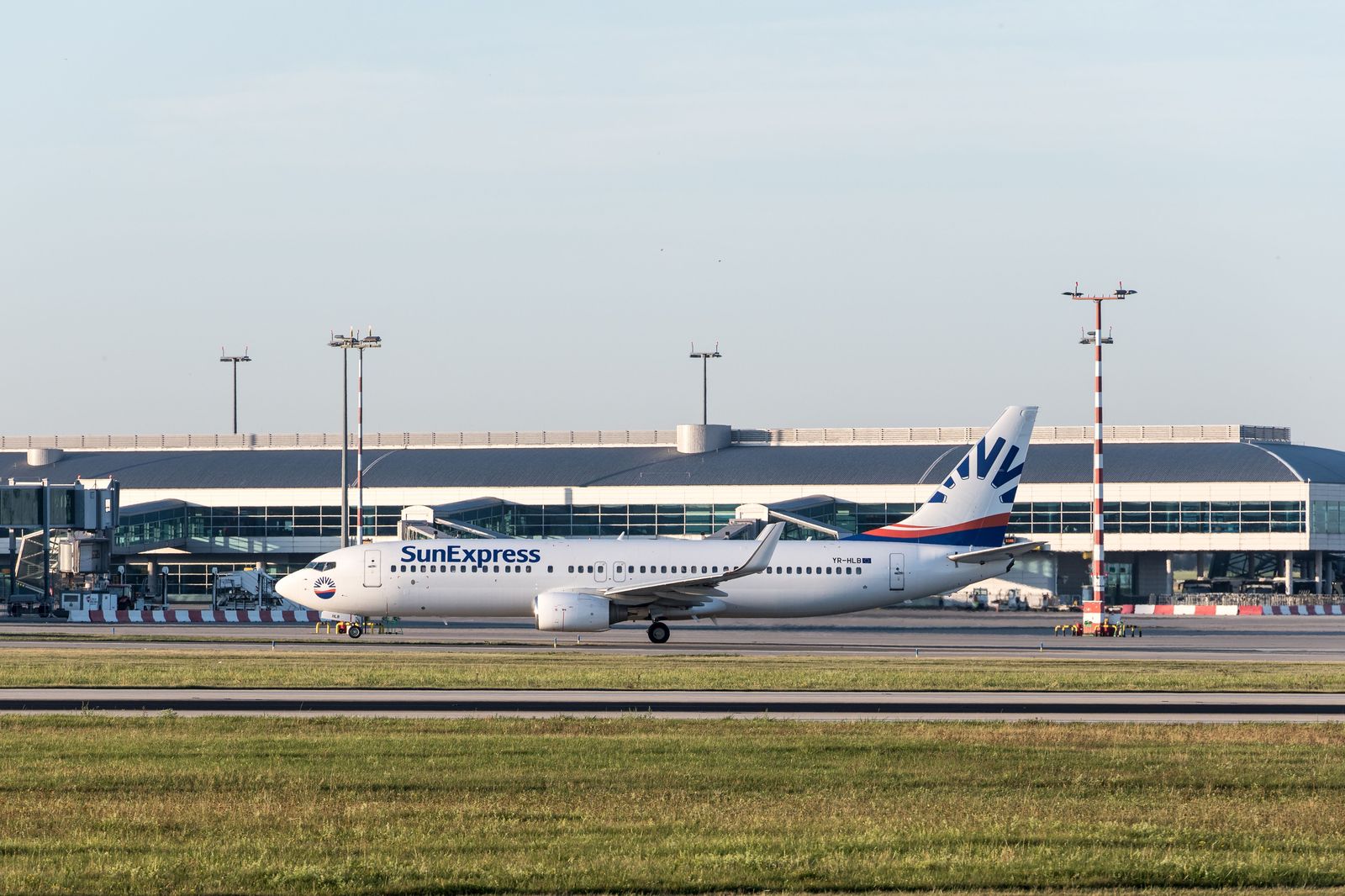
Airport work shows the job at its most precise. For a pickup, the chauffeur checks the flight before leaving, watches the landing time, and waits in a holding area until the passenger has cleared customs and collected bags. The fare includes 30 minutes after landing on Canadian domestic and US flights and 60 minutes on other international arrivals. When the passenger texts that they are at the door, the chauffeur pulls up to the terminal's commercial pickup area, loads the bags and confirms the destination. Meet and greet inside arrivals with a name board is an option at about $25–35. For a drop-off, the chauffeur plans back from the flight time, allowing for check-in, security and traffic, and says so if the planned departure is too tight.
How a chauffeur handles the unexpected
Plans change. A flight lands two hours late, a meeting overruns, a highway closes after a collision, a child is sick in the back seat. A good chauffeur's response is the same each time: tell the passenger early, offer a solution and keep dispatch informed. That might mean a different route, a different order of stops or a second car sent to cover the next booking. What it never means is driving faster to make up time. The calm, predictable response to a bad day is one of the clearest differences between a chauffeur and someone who simply drives for money.
A chauffeur's day in winter
From November to April the day starts earlier. Winter tires are on, the car is warmed and cleared before the pickup, and the route is chosen for grip rather than speed: often the Linc and the Red Hill rather than the steepest escarpment access. The chauffeur keeps a brush, a scraper and extra washer fluid in the trunk and checks the forecast the night before. On storm days, dispatch may call passengers to move airport departures earlier. None of this changes the fare; it changes how early everyone gets up.
Is being a chauffeur a career?
For many people it is. Chauffeurs often come from hospitality, corporate driving or long careers in customer service, and the best stay for years because they like the mix of driving, planning and people. The work rewards reliability more than anything else: turning up early every single time, in every season, for every kind of passenger.
What passengers notice first
Ask passengers what makes a chauffeur good and the answers are rarely about the car. They mention the text that said the car was outside five minutes early, the door that opened before they reached it, the suitcase lifted without a word, the quiet on the way to an early flight and the chauffeur who remembered how they liked the temperature from last month. Those details are the job. They come from habits practised on every booking, and they are what separates a chauffeured ride from a lift.
Where our chauffeurs drive
Our chauffeurs work across the Golden Horseshoe, starting from downtown Hamilton and the Mountain and running daily to Burlington, Oakville, Niagara, Brantford, Waterloo Region and Toronto. Many days start at a hotel lobby; our downtown Hamilton hotels guide shows where cars meet guests. Current routes and services at Hamilton's airport are on flyhamilton.ca.
Booking a chauffeur direct
Book on the HamiltonLimo.net reservation engine: one-way for a single trip, hourly for a chauffeur who stays with you. The fixed all-in price, with gratuity included and HST shown, appears before you confirm. No app, no aggregator commission, and one dispatch desk behind every chauffeur.