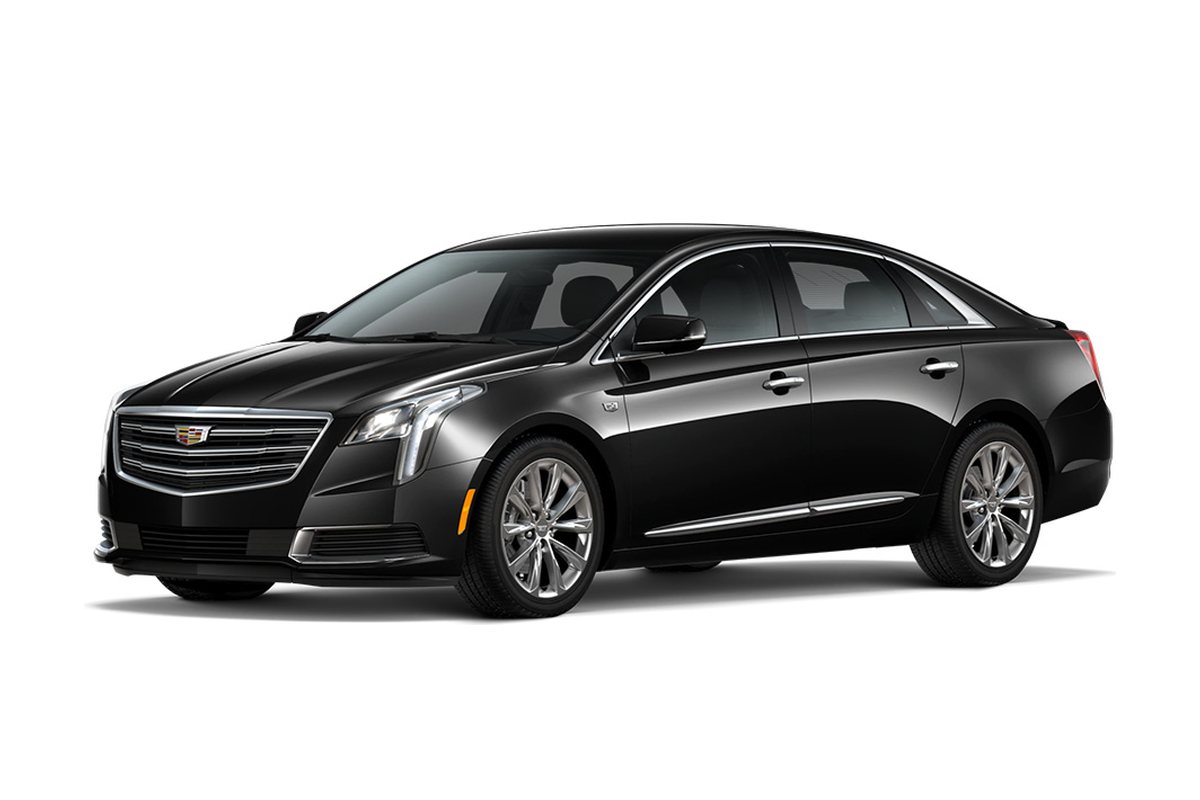


Using Uber for a day means requesting a new car for every leg at a price that moves with demand. An hourly chauffeur is one car that waits, at a fixed price: a sedan is $120–145 per hour all-in plus HST, 3-hour minimum. For one or two legs the app is often cheaper; for three or more stops, hourly usually wins. See our hourly vs point-to-point guide.
Uber for a day vs an hourly chauffeur: what you are really comparing
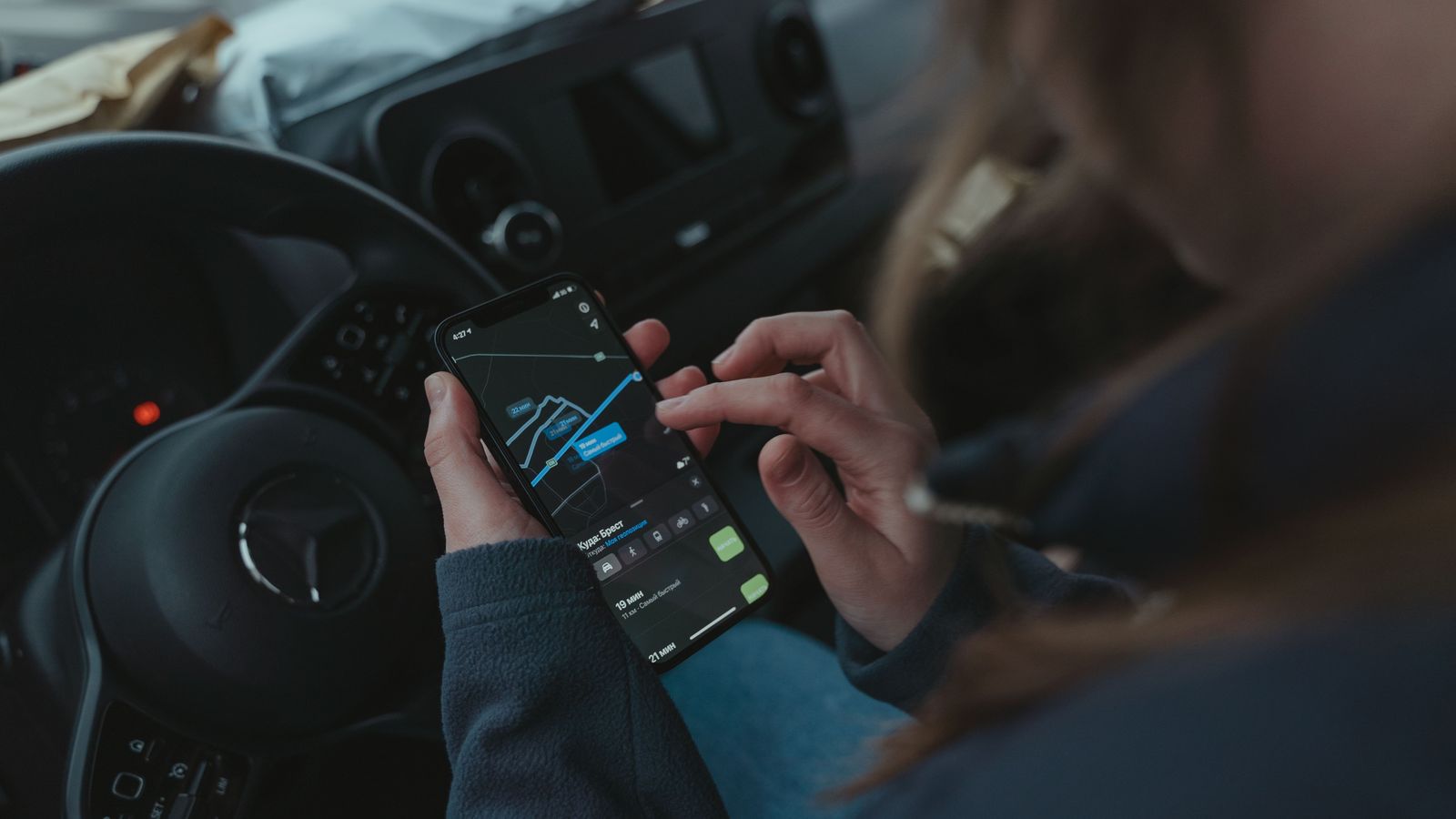
"Uber for a day" is not one booking. It is a chain of separate trips, each with its own request, its own wait for a match, its own car and driver, and its own price at that moment. Some rideshare apps offer scheduled rides or hourly options in certain cities; check what the app actually offers in Hamilton on the day you need it, because availability varies by market and time.
An hourly chauffeur is the opposite model. You book one vehicle and one professional chauffeur for a block of time. The car goes where you go and waits outside while you are busy. The price is fixed before you confirm and does not move with demand.
Neither is always cheaper. The maths depends on how many legs, how long the waits, and how predictable your day is.
The real maths: counting legs and waits
The only fair way to compare is to price a real day. Rideshare fares are dynamic and are not published in advance, so we cannot quote them honestly. What we can do is show the structure of the comparison and give you our own fixed figures for both booking styles.
| A Saturday in Hamilton and Burlington | Distance and drive time | Booked one-way sedan fares | Hourly sedan |
|---|---|---|---|
| Home in Stoney Creek to brunch on Locke Street | about 15 km, 20–25 min | $75–100 | included |
| Locke Street to the Royal Botanical Gardens | about 10 km, 15 min | $75–100 | included |
| Gardens to a shop in Burlington | about 8 km, 10–15 min | $90–115 | included |
| Burlington to dinner on James Street North | about 15 km, 15–25 min | $90–115 | included |
| Dinner back home to Stoney Creek | about 15 km, 20–25 min | $75–100 | included |
| Total for the day, about 8 hours | about 65 km, 1.5–2 h driving | $405–530 plus waiting | 8 h: $960–1,160 |
On this day, five booked one-way legs are cheaper than eight hours of a chauffeur, and a rideshare chain may be cheaper still if demand is quiet. The hourly car costs more because it is sitting outside brunch, the gardens and dinner for six hours. If those waits do not matter to you, pay per leg.
When the maths flips towards hourly
Change the day slightly and hourly wins. The things that flip it:
- Shorter waits between more stops. A day of six errands of 20 minutes each makes per-leg booking expensive and tiring. A 3-hour hourly booking at $360–435 covers all of it.
- Luggage or shopping in the car. With per-leg rides you carry everything into every stop. With one car, bags stay locked in the trunk.
- Children and car seats. Every rideshare leg is a gamble on whether a seat is available. One hourly car, one set of seats fitted once (about $10–15 each, added at booking).
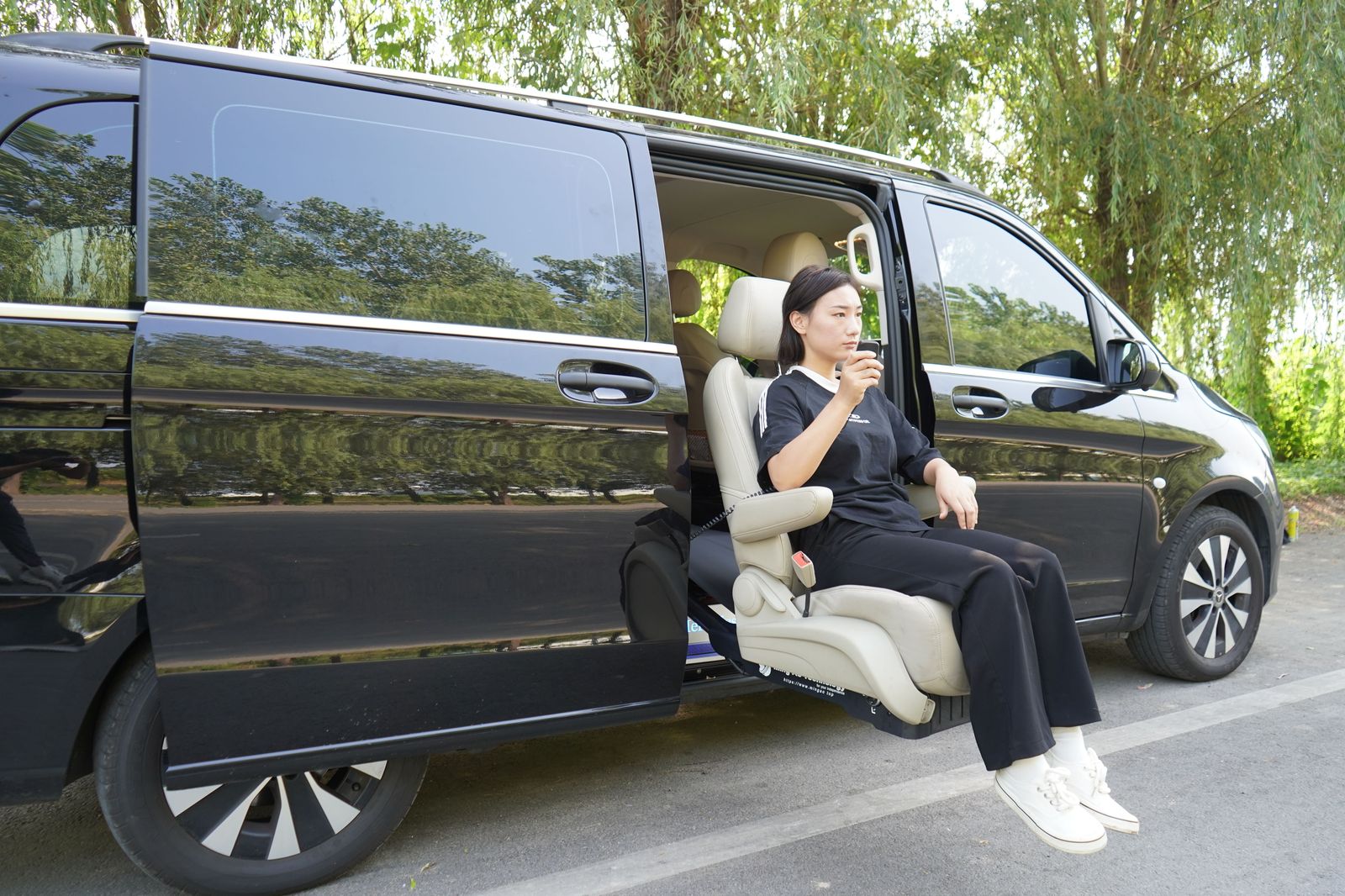
- Older passengers and walkers. One chauffeur who knows how to stow the walker and help at the door, every time.
- Busy moments. After a Ticats game, a TD Coliseum concert or last call downtown, rideshare demand spikes and waits lengthen. An hourly car is already waiting.
- Business days. Calls in the back seat, a laptop left on the seat between meetings, a receipt with the HST line.

The hidden costs of a rideshare day
Price is not the only cost of stringing rides together. On a full day, the friction adds up:
- Request time. Each leg starts with a wait for a match and then for the car to arrive. Across six legs that can add up to a meaningful part of the day.
- Price uncertainty. Fares change with demand, so the evening legs may cost more than the morning ones for the same distance.
- Different cars and drivers. Vehicle size and cleanliness vary; you may get a compact when you needed a trunk.
- Pickup friction. Venues, hospitals and airports often have designated rideshare zones some distance from the door. Toronto Pearson, for example, directs app pickups to set areas.
- No waiting. A rideshare driver ends the trip at the door. If you forgot something in the car, it is gone.
An hourly chauffeur removes those frictions but charges for the time the car waits. The question is which cost you would rather pay.
When Uber for a day is the smarter choice
We would rather you booked the right thing. The app is usually the better choice when:
- You have one or two legs with long, fixed gaps between them.
- You are travelling alone with a small bag.
- Your plans are loose and you do not mind waiting for a match.
- The day is mostly in one neighbourhood where you can walk between stops.
For a solo trip to downtown Toronto, GO Transit trains from Hamilton or Aldershot are often the cheapest and least stressful of all. Inside the city, HSR buses cover many daytime errands for a fraction of any car.
When an hourly chauffeur is the smarter choice
The hourly model earns its price when the day has several stops with short or unknown waits, when you have people or things that are awkward to move, and when the day matters: a client visit, an elderly parent's appointments, an anniversary, a wedding. It also wins when certainty matters more than the last dollar. The fixed price, the known chauffeur's name and the car outside the door are the product. Our hourly chauffeur service page explains how the day works.
A worked business example: Oakville client visits
A consultant based at one of the Oakville hotels has four client visits: Oakville, Burlington, Hamilton's Bayfront area and Stoney Creek, then dinner back in Oakville. The route is about 110 km in total, with roughly 2–2.5 hours of driving and meetings of 45–75 minutes each.
- Per-leg approach: five separate trips, five requests, five waits for a match, and a laptop bag carried into every meeting.
- Hourly approach: a business sedan for 8 hours, $960–1,160 all-in plus HST, or a first-class sedan at $2,280–2,800 if a client rides along. The car is outside each building before the meeting ends.
For most consultants the hourly figure is easier to justify than the lost time between meetings.
Black car by app vs a booked black car
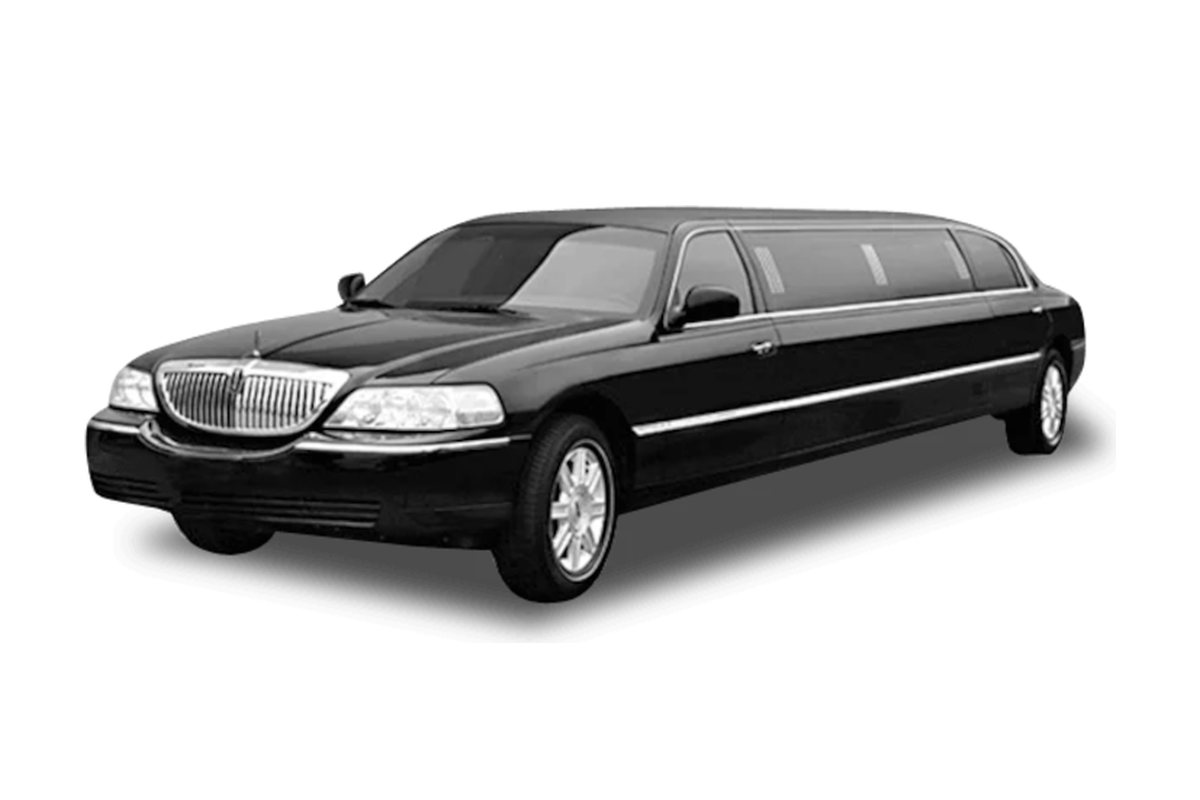
Some apps offer a premium black-car tier in certain cities. Whether it operates in Hamilton, and how many cars are on the road at a given hour, varies; we look at that question in is there Uber Black in Hamilton. A booked black car differs in three ways: the vehicle class is guaranteed, the price is fixed in advance, and the chauffeur is assigned before the day. We compare the two directly in Uber Black vs a booked black car, and our black car service page covers one-way bookings.
Game days and big nights: the stress test
A game at Hamilton Stadium (the former Tim Hortons Field) ends with tens of thousands of people leaving at once. Streets around the stadium close or clog, and rideshare waits typically lengthen as demand spikes. A chauffeur on an hourly booking can wait at an agreed point a few blocks away and be ready when you walk out. Our Tiger-Cats game-day guide has the pickup details. The same logic applies at concerts downtown and on New Year's Eve.
A family example: Pearson arrival, then errands
A family of five lands at Toronto Pearson on an international flight and is staying with relatives in Binbrook. They need a pharmacy, a supermarket and a phone shop before they get to the house. By app, that is a large-vehicle request at the airport's designated rideshare area with five people and six suitcases, then separate requests at each stop with the luggage going in and out each time, or a trip home first and a second outing later.
As an hourly booking, an executive SUV at $190–235 per hour meets them at the commercial pickup curb, and the chauffeur tracks the flight so the included 60 minutes after landing covers customs and baggage. With the drive of about 90 km and 60–80 minutes, three short stops and the drop-off, a 4-hour booking is $760–940 all-in plus HST. The suitcases never leave the trunk. Our Binbrook and Glanbrook page has the one-way airport fares if they only needed the drive.
What a chauffeur does that an app trip does not
The difference is not the car; it is the job. An app driver's job ends at the curb. A chauffeur on an hourly booking plans the route around your day, watches the time for your next appointment, keeps the car where you can reach it, helps with bags and doors, and adapts when the day changes. You know the chauffeur's name before the day, and dispatch knows your whole plan. For older passengers and business clients, that continuity is often the reason to book.
Airport days: where app and chauffeur differ most
Airports are where the two models differ most. App pickups at Toronto Pearson are directed to designated rideshare areas, and the price is set when you request after landing. A booked chauffeur tracks the flight, includes 30 minutes of waiting after landing on domestic and US flights and 60 minutes on other international arrivals, and meets you at the commercial pickup curb at a price fixed weeks earlier. For the drive from Pearson to downtown Hamilton, about 70 km and 45–65 minutes, our business sedan is $245–300 all-in plus HST.
A simple rule for choosing
Count the stops and the waits:
- One or two legs, long waits between them: per-leg booking (app or our one-way).
- Three or more stops, or waits under an hour: price an hourly booking.
- Children, walkers, luggage, a client or a special occasion: hourly, almost always.
- Crowded end times (games, concerts, last call): hourly, or at least a pre-booked one-way return.
If you still cannot decide, price both on our reservation engine; the one-way and hourly figures are shown before you confirm anything. For a single ride in a guaranteed sedan, see our business sedan.
Booking direct
Whichever way you book with us, you book direct on the HamiltonLimo.net reservation engine: no app to install, no aggregator commission, one dispatch desk and a fixed all-in price with gratuity included. Rideshare apps such as Uber and Lyft publish their own terms and fares in-app.