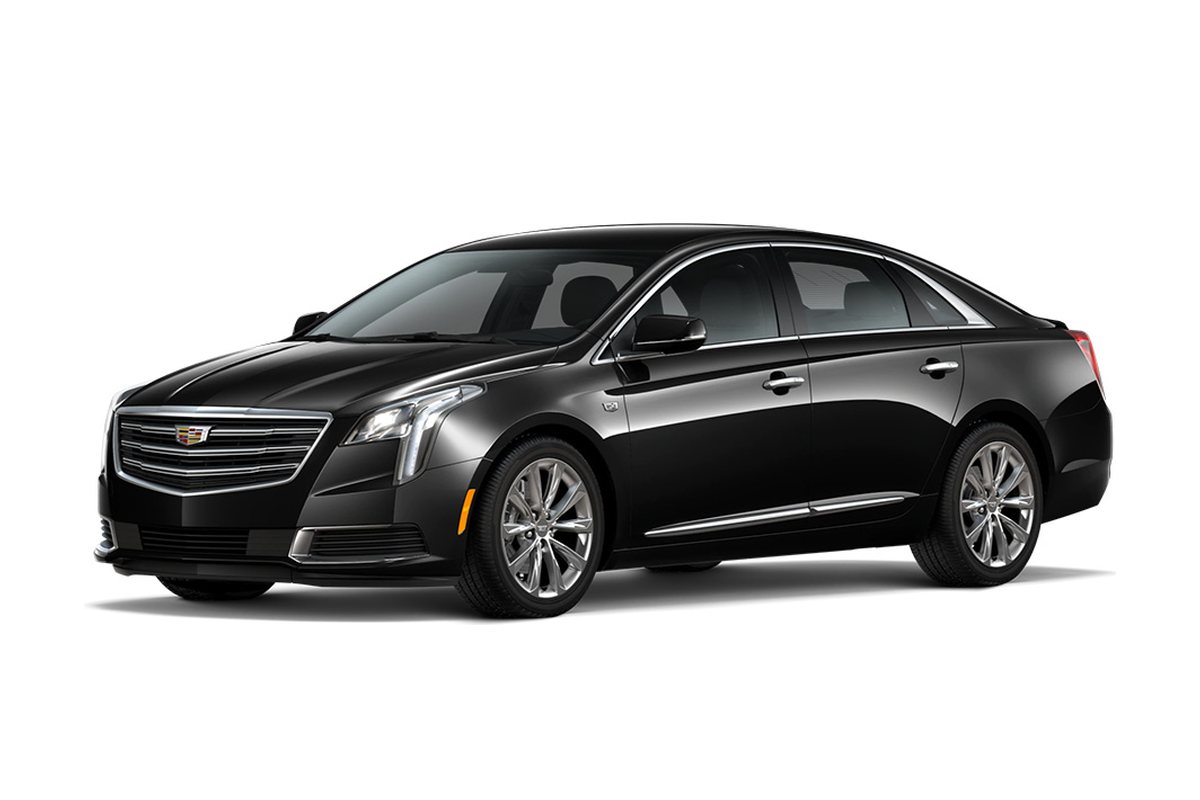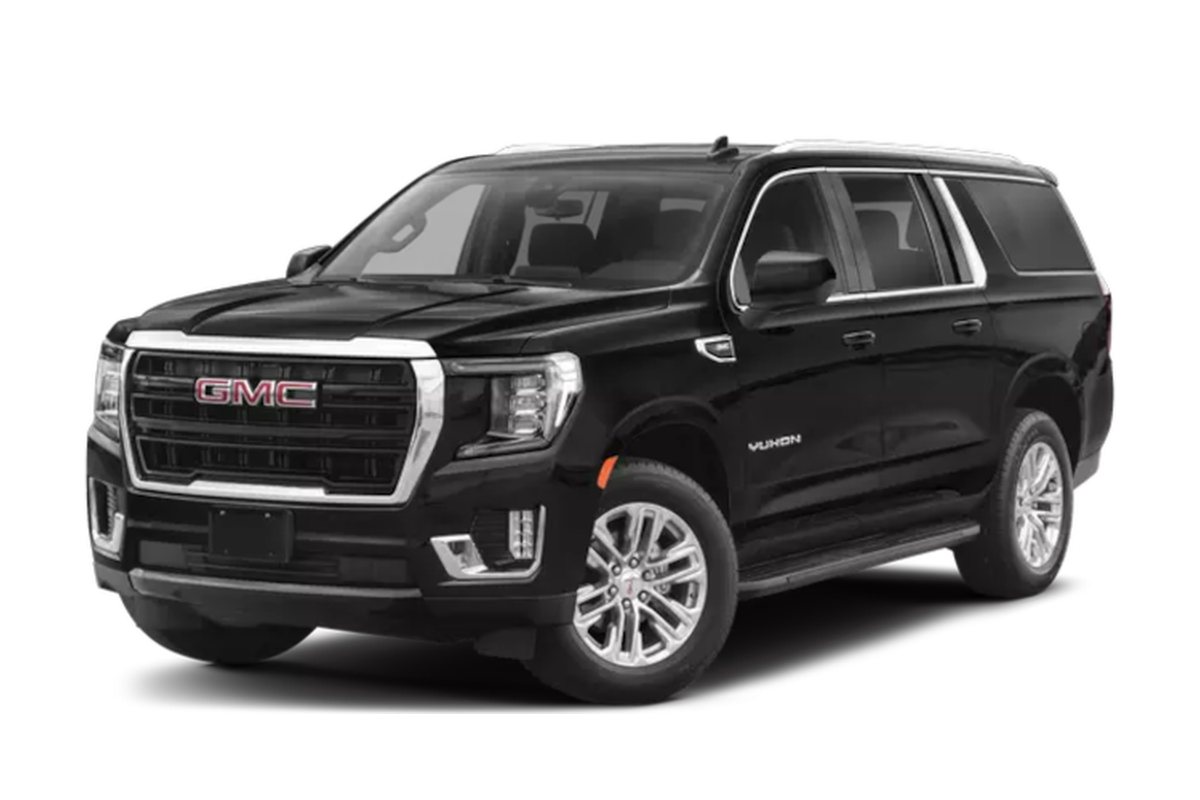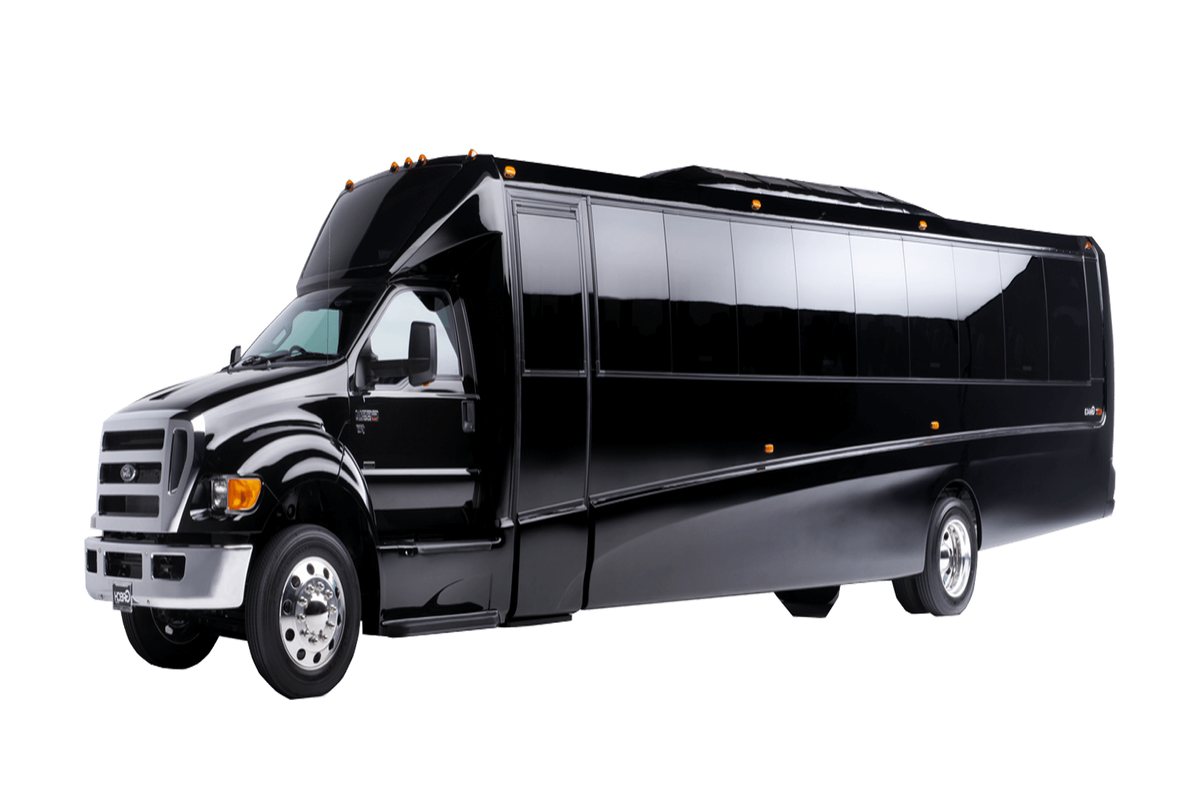

Filming in Hamilton starts with the City's Hamilton Film Office, which runs a one-stop permit service and publishes filming guidelines, including off-street crew parking. Most crews commute from Toronto, about 68 km and 50–75 minutes. HamiltonLimo.net moves cast and crew by the hour: 14-seat Sprinters at $330–385 per hour and talent SUVs at $190–235, all-in plus HST.
Filming in Hamilton: the transport side of pre-production
Our film and TV production transportation page describes how we run talent cars, crew loops and unit moves on the day. This post comes earlier in the process, when a producer, production manager or transport coordinator is deciding whether to shoot in Hamilton at all and building the budget. It covers the permit basics, where productions tend to shoot, the Toronto commute that shapes every Hamilton schedule, and a transport budget broken down so it survives a line-producer review.
How permits work: start with the Film Office
The Hamilton Film Office is part of the City of Hamilton and offers a one-stop permit service for location shoots, along with location support and a list of productions made here. Its filming guidelines set expectations for productions, including that production vehicles use off-street parking wherever possible and that crew parking on City streets is not permitted. That single rule shapes the transport plan: crew park in a lot and need a ride to set. Provincially, Ontario Creates is the agency for the screen industry and its incentive programmes. We are not part of the permit process; our vehicles simply carry people to and from permitted locations.
Where productions tend to shoot, and how far apart they are
Hamilton's appeal is variety within a short drive. Distances from downtown are planning figures:
| Look | Where | From downtown | Drive time |
|---|---|---|---|
| Victorian and Edwardian streets | Durand, Kirkendall, Corktown | 1–3 km | 5–10 min |
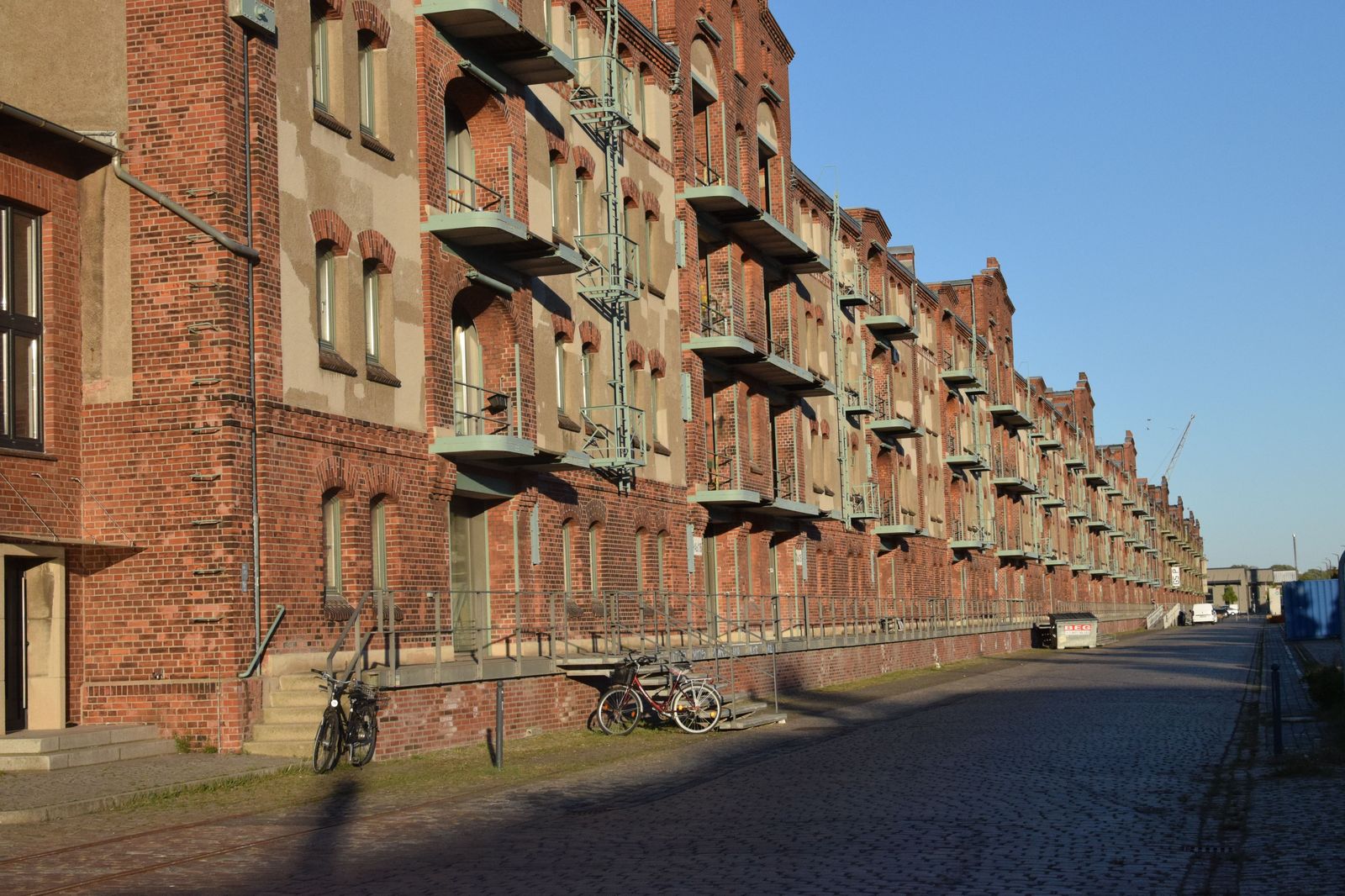
| Brick warehouses, churches, older commercial blocks | Lower city, James St N, Barton St | 1–4 km | 5–15 min |
| Heavy industry and piers | Bayfront, east-end industrial lands | 5–10 km | 10–20 min |
| Escarpment edge, waterfalls, trails | Dundas, Albion, the Mountain brow | 7–15 km | 15–25 min |
| Small-town main streets | Dundas, Waterdown, Ancaster | 10–20 km | 15–30 min |
| Farmland and rural lanes | Flamborough, Glanbrook | 15–30 km | 20–35 min |
A two-location day across these zones usually means a unit move of 15–30 minutes. Our Dundas and Waterdown-Flamborough pages cover those areas; the waterfalls are on our Hamilton waterfalls page, and many sit in conservation areas with their own rules.
The Toronto commute that shapes the schedule
Most crews live in the Toronto area. Downtown Toronto to downtown Hamilton is about 68 km and 50–75 minutes, longer in the afternoon peak westbound and the morning peak eastbound. For a 6:00 am call in Hamilton, a crew member leaving Toronto at 4:45 am has an easy drive; for a 7:00 am wrap after a night shoot, the drive back meets the morning traffic heading into Toronto. Three ways to handle it:
- Crew drive themselves to a Hamilton crew lot, then ride a Sprinter to set. Simple, but each car needs parking and each tired driver faces the QEW after a 14-hour day.
- A Sprinter from Toronto. One vehicle carries 14 from a Toronto meeting point to set and back: about $745–910 each way as a one-way planning range, or an hourly booking that also covers the set loop.
- GO train plus shuttle. Some crew use the GO train to the Hamilton GO Centre and a Sprinter from there, if call and wrap times fit the GO Transit schedule, which early calls often do not.
A transport budget you can defend
Planning ranges, all-in (chauffeur, vehicle, fuel, gratuity, 407 tolls if used) plus HST. Three-hour minimum per block; extra time in 30-minute blocks.
| Line | Vehicle | Hours per shoot day | Planning range per day |
|---|---|---|---|
| Crew lot to set loop | Sprinter (14) | 13 | $4,290–5,005 |
| Lead talent car | Executive SUV | 13 | $2,470–3,055 |
| Second talent car | First-class sedan | 10 | $2,850–3,500 |
| Producer / executive car | Business sedan | 8 | $960–1,160 |
| Toronto crew run in and out | Sprinter, two one-ways | 2 legs | $1,490–1,820 |
| Pearson arrival for a visiting cast member | Business sedan, one way | about 70 km, 45–65 min | $245–300 |
A mid-sized day with one crew loop and one talent car is about $6,760–8,060. Build weather days and chauffeur changeovers into the written confirmation; for days over 12–14 hours we rotate chauffeurs rather than stretch one shift.
Scouts and recces before the shoot
Scout days are where Hamilton's spread becomes obvious: a harbour warehouse, a Durand house, a waterfall trail and a Glanbrook farm can all be on one list. An executive SUV carries six people and camera bags and waits at each stop; 6–8 hours is typical, $1,140–1,880 all-in plus HST. Send the addresses or general areas in the morning and the chauffeur plans the order around the light you need.
Hotels for out-of-town cast and crew
Visiting cast and department heads usually stay downtown, where the drive to most lower-city locations is under 10 minutes, or in Ancaster for escarpment and rural shoots. Our downtown Hamilton hotels page covers where cars stop at each hotel area; for crews based in Toronto hotels, the drive is the commute above.
Airport arrivals for cast
Cast arriving for a Hamilton shoot land at Pearson (about 70 km, 45–65 minutes, sedan $245–300), Billy Bishop (70 km, 55–80 minutes, $275–340) or Hamilton's own airport (15 km, 20–25 minutes, $90–115). Flights are tracked; included waiting is 30 minutes on domestic and US flights and 60 minutes on other international arrivals. For recognizable talent we skip name boards unless asked.
If filming is happening on your street
Residents searching "filming in Hamilton" are often asking something else: why trucks are on their street. Productions work under the City's permit, and questions about a specific shoot go to the Hamilton Film Office, whose page lists how to reach it. We simply drive people; we cannot comment on any production.
Seasonal planning
Winter shoots bring lake-effect snow on the QEW and ice on the escarpment roads; add buffer to calls up the Mountain and to the Toronto commute. Summer brings long days and events like Supercrawl in September that close downtown streets; check dates on the event's own site before scheduling downtown exteriors. Our cars run winter tires from November to April.
A sample day: Toronto crew, two Hamilton locations
A realistic mid-budget day with a 7:00 am call in the North End and an afternoon move to the Mountain brow:
- 5:30 am — Sprinter leaves a Toronto meeting point with 14 crew; about 68 km, 55–65 minutes before the peak.
- 6:15 am — Talent SUV collects the lead at a downtown hotel, 10 minutes to base.
- 6:30 am — Sprinter arrives at the crew lot in the lower city, then starts loops to set 1, about 2 km away.
- 12:30 pm — Unit move to set 2 on the escarpment, about 7 km and 15–20 minutes by the Jolley Cut or James Mountain Road.
- 7:30 pm — Wrap; loops back to the crew lot, then the Sprinter returns the Toronto crew, 60–75 minutes.
One Sprinter for about 15 hours with a chauffeur changeover, one SUV for about 13.5 hours: roughly $7,515–8,950 all-in plus HST as planning figures. The Toronto run is the biggest variable; a late wrap that meets the evening peak eastbound can add 30 minutes.
Night shoots
Night work reverses everything: calls at 4:00 or 5:00 pm, wrap at dawn, and a drive home that meets morning traffic into Toronto. We roster chauffeurs specifically for night shifts rather than extending a day driver, and we plan the dawn return as a separate block so the crew is not waiting while a tired driver is swapped. Residents also notice night shoots most, so the production's permit conditions on idling and lights apply to our vehicles as well; chauffeurs wait with engines off unless the weather makes that unsafe.
Background performers and big days
Crowd days multiply the people who need moving from a holding area to set. One Sprinter moves roughly 40–60 people an hour on a short loop; beyond that, partner coaches of 24–56 seats from the LimousineWorldwide.Directory network are priced in writing by a coordinator. Send the count and the holding location a few days ahead so the fleet can be sized.
Mistakes in production transport planning
- Budgeting one-way runs for a talent day. The car leaves; the actor waits in a trailer with no ride.
- Ignoring the crew-parking rule. No Sprinter loop means crew parking where they should not.
- Underestimating the Toronto commute at wrap after a long day.
- No changeover plan for 15-hour days.
Confidentiality on and off set
Scripts, cast names and locations are protected information, and chauffeurs treat them that way. Our vehicles carry no signs or logos; chauffeurs do not photograph, post or discuss anything seen on set, heard in the car or printed on a call sheet. If the production uses its own non-disclosure agreement, send it to dispatch before the first day so the assigned chauffeurs can sign it. Call sheets stay with dispatch and the assigned chauffeur only.
What to send dispatch before day one
- The shooting schedule, with call and wrap times and locations for each day.
- Crew lot and set addresses, and where vehicles may wait on each location.
- Talent names or character names for talent cars, and pickup hotels.
- The production office or transport coordinator's contact for daily changes.
- Billing details, production code and any purchase order.
Working with us
For a whole shoot, a standing booking with daily changes from the production office works best; we confirm vehicles the evening before and bill weekly on an approved account with your production code on each line. For crew shuttles beyond a single shoot, see how to set up an employee shuttle and our Sprinter group transportation page. For the drive from Toronto, our Hamilton to downtown Toronto page covers the road. Cancellation follows the sitewide rule from each pickup: more than 72 hours before, free; then 10 %, 50 % and 100 % at 72, 48 and 24 hours.