
An employee or crew shuttle in Hamilton is a standing booking: the same Sprinter and chauffeur running fixed times between hotels, parking and a site, day after day. HamiltonLimo.net runs 14-seat Sprinters with a 3-hour minimum per block at $330–385 per hour, all-in plus HST, adds partner coaches for larger crews, and invoices approved accounts monthly with your cost code on every line.
Employee and crew shuttle service in Hamilton: who uses it
Shuttles solve a simple problem: a group of people who need to be at the same place at the same time, repeatedly, without each of them driving and parking. In Hamilton that group is usually one of these:
- Shutdown and turnaround crews at plants and terminals on the bayfront, often from out of town and staying in hotels for two to six weeks.
- Contractor rotations on construction, commissioning or maintenance projects.
- Audit, inspection and consulting teams working on a client site for a week or two.
- Event staff and volunteers for conferences, tournaments and festivals, moved from remote parking to the venue.
- Film and TV crews, where the city's rules push crew parking off-street and away from set; see our film and TV production page.
- Staff programmes where an employer provides transport for a shift that public transit serves poorly.
In each case the value is reliability and control: the employer knows who is on the vehicle, when it left and when it arrived.
How a standing shuttle booking works
We set the shuttle up once and run it to a timetable:
- You send the pattern: pickup points, site gate, shift times, number of riders, start and end dates.
- We propose the vehicles and the timetable, including a buffer for traffic and loading, and price it in writing.
- We assign the same Sprinter and chauffeur to the run wherever possible, so riders get a familiar driver who knows the gate routine.
- Daily changes come by text or email to one dispatch contact: an extra rider, an early finish, a Saturday added.
- Each week you get a trip log if you need one, and each month an itemized invoice for approved accounts.
A single Sprinter carries 14 people and their bags or tool cases. For crews larger than one Sprinter, we add Sprinters or bring in partner coaches of 24–56 seats through the LimousineWorldwide.Directory network, still under one timetable and one invoice.
Planning figures and minimums
Every block of service has the standard 3-hour minimum for sedans, SUVs, vans and Sprinters, with extra time in 30-minute blocks. That shapes how shift shuttles are priced: a morning run and an evening run are usually two separate 3-hour blocks, unless the vehicle stays on site between them.
| Pattern | Vehicle | Hours per day | Planning range per day |
|---|---|---|---|
| One shift, morning and evening runs | Sprinter | 2 × 3 h | $1,980–2,310 |
| Two shifts (day and night crews) | Sprinter | 2 × 3 h | $1,980–2,310 |
| Vehicle kept on site all day (runs, errands, lunch moves) | Sprinter | 12 h | $3,960–4,620 |
| Small team, one car | Executive SUV | 2 × 3 h | $1,140–1,410 |
| Supervisors or engineers | Business sedan | 2 × 3 h | $720–870 |
| Crew over 14 people | Partner coach | priced in writing | priced in writing |
All ranges are all-in plus HST: chauffeur, vehicle, fuel, gratuity and any 407 tolls. The engine quotes a single vehicle; standing multi-week programmes are confirmed in writing.
Sample timetable: a bayfront plant shutdown
A realistic three-week maintenance shutdown with a 12-hour day shift and a crew of 26 staying in hotels downtown and near the 403:
- 5:10 am — Sprinter 1 leaves Hotel A downtown with 14 riders.
- 5:15 am — Sprinter 2 leaves Hotel B near the 403 and Aberdeen with 12 riders.
- 5:35–5:45 am — Both arrive at the plant's contractor gate in the east end (about 7–9 km, 20–25 minutes including a stop for coffee if the crew wants it). Sign-in and safety check.
- 6:00 am — Shift starts. Sprinters leave the site.
- 5:45 pm — Sprinters arrive back at the gate for the 6:00 pm end of shift.
- 6:00–6:30 pm — Riders out through the gate; return to hotels, 20–25 minutes.
Two Sprinters, two 3-hour blocks each per day: planning figure about $3,960–4,620 per day for the whole crew, all-in plus HST, or roughly $152–178 per rider per day. For a 21-day shutdown that is roughly $83,160–97,020 for transport, confirmed in writing, invoiced weekly or monthly.

Site access, safety and gate routines
Industrial sites along the bayfront, at the port operated by HOPA Ports, and in the Stoney Creek and airport employment areas have their own rules for vehicles. We work to them:
- Gate and route in writing. We confirm the exact contractor gate, the drop-off point and any in-site speed limits or routes before day one.
- Vehicle registration. If the site pre-registers vehicles or drivers, send us the form and we return plate numbers and chauffeur names.
- Site orientation. If the chauffeur must complete a site safety orientation to drive inside the fence, schedule it for the first morning and we will attend.
- PPE. Chauffeurs who enter a site carry the personal protective equipment the site requires; tell us what it is.
- Tools and kit. Hand tools and bags travel in the Sprinter's rear luggage area; hazardous materials, fuel and gas cylinders do not travel in our vehicles.
If the site will not allow our vehicles inside, we drop at the gate and wait at the agreed spot outside.
Airport arrivals and rotation days
Out-of-town crews arrive in waves. At the start and end of each rotation we collect crews from Toronto Pearson (about 70 km, 45–65 minutes, sedan $245–300 or Sprinter about $675–825 one way), from Hamilton airport (YHM) in Mount Hope (15 km, 20–25 minutes), or from Union Station and the Hamilton GO Centre. Flights are tracked; included waiting is 30 minutes on domestic and US flights and 60 minutes on other international arrivals from actual landing. A Sprinter meeting a crew of twelve on one flight is far easier than twelve taxis.
For crews coming from the United States by road, our cross-border car service runs from Buffalo and Niagara Falls NY.
Choosing the right vehicle
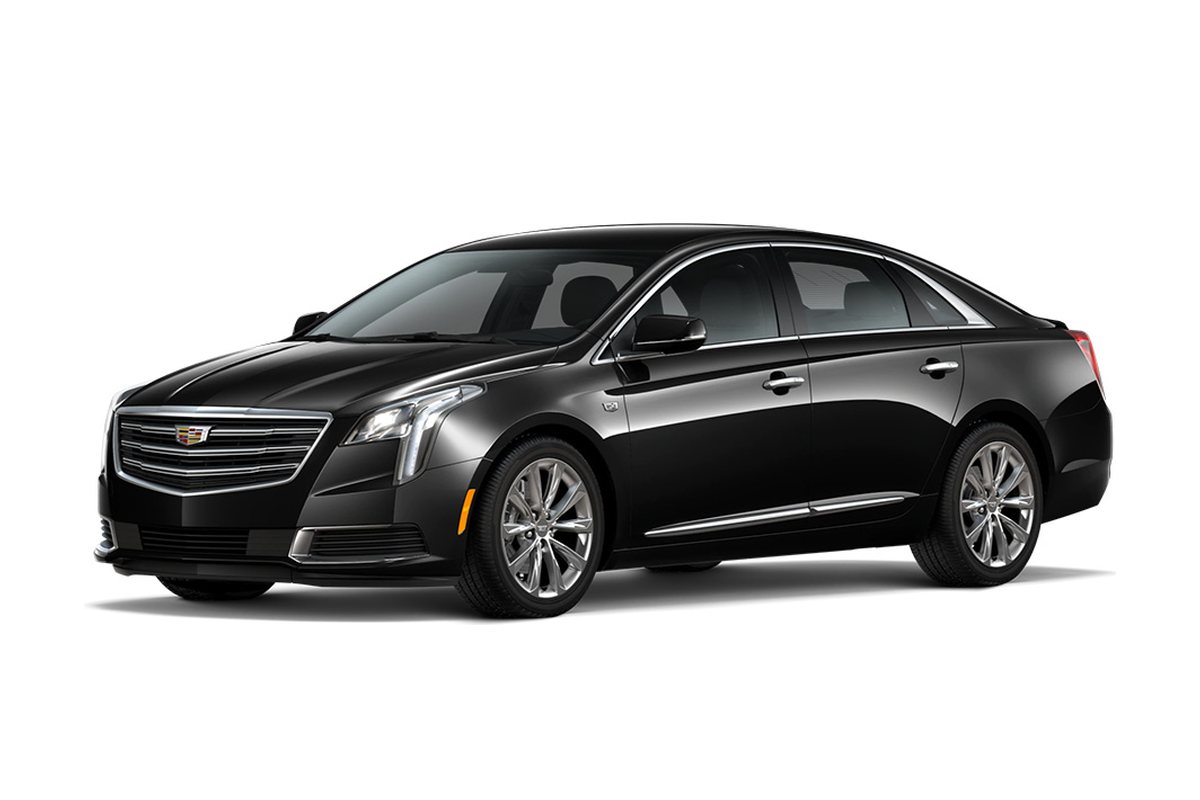
- Business sedan (3 riders, 3 bags): a site manager, an engineer, or an auditor on a daily hotel-to-site run.
- Business SUV (5 riders, 5 bags): a black Tahoe or Yukon at close to sedan money, $145–175 an hour, with winter traction for plant roads and room for boots and hard hats.
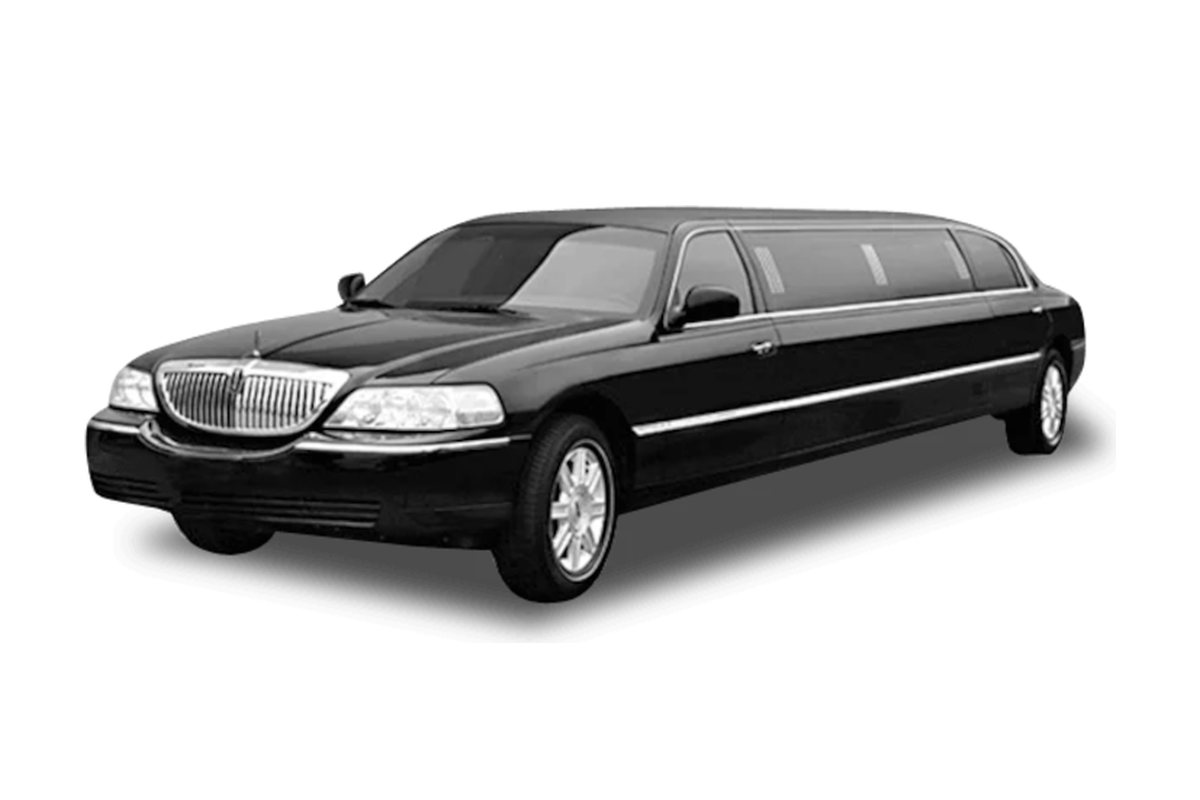
- Executive SUV or luxury van (6 riders, 6 bags): a small inspection team or a crew with more kit.
- Sprinter (14 riders, 14 cases): the standard shuttle vehicle, with standing headroom so a crew in work gear can board quickly.
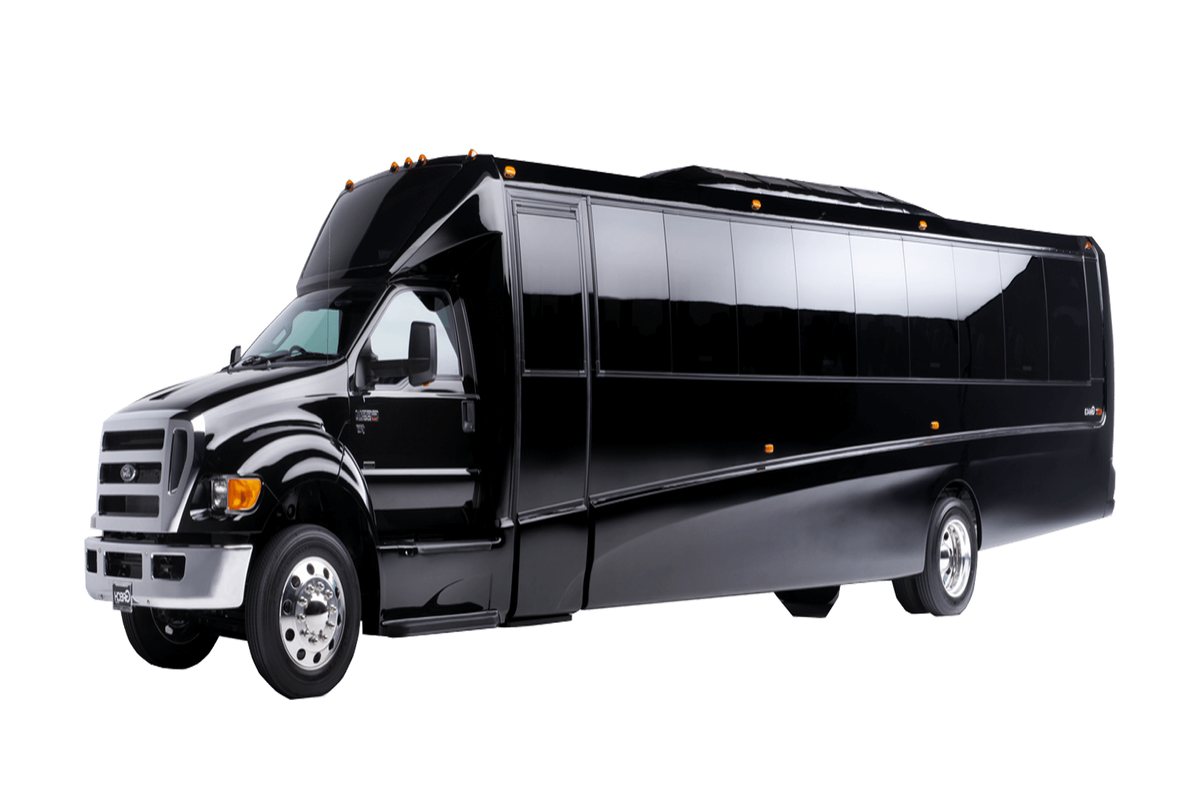
- Partner coach (24–56 riders): large shutdown crews, event staff, or employer programmes, arranged through partner operators and priced in writing.
Mixing vehicles is common: a Sprinter for the crew and a sedan for the supervisor who needs to leave at odd hours. The fleet is described on our Sprinter group transportation page.
Night shifts, weekends and winter
Shift work runs around the clock, and so can the shuttle. Night-shift runs are scheduled with chauffeurs rostered for those hours rather than extending a day shift. Weekend and statutory-holiday runs are included in the timetable at the same planning rates; tell us in advance which days the site works.
Winter changes the timetable more than anything else. Lake-effect snow off Lake Ontario hits the QEW, the Skyway and the east end first; the escarpment accesses to the upper city ice before the lower city does. From November to April our vehicles run winter tires, dispatch checks Environment Canada the evening before and Ontario 511 at dawn, and we pull morning departures earlier on storm days so crews are not late for the safety briefing.
Rider lists, accountability and duty of care
Many employers want to know exactly who travelled. On request, the chauffeur checks riders against a list you supply at each pickup and dispatch sends a daily trip log: departure and arrival times, rider count, and any no-shows. If a rider is missing at the hotel, the chauffeur waits for the agreed grace period, then leaves on time and reports it. Riders who miss the shuttle can be picked up by a separate car at your request, billed as a one-way within Hamilton ($75–100 by sedan, up to 15 km).
Our chauffeurs do not transport anyone who appears impaired to a safety-sensitive site without telling the supervisor you nominate; that decision stays with the employer.
Event staff and volunteer shuttles
Conferences, tournaments and festivals use the same model for a shorter period: staff and volunteers park at a remote lot and ride a Sprinter to the venue. For events at Hamilton Stadium (the former Tim Hortons Field), TD Coliseum or the downtown convention venues, we loop between the lot and the staff entrance before gates open and again after the event. Our corporate events and galas page covers guest transport for the same events.
Invoicing, cost codes and changes
Standing shuttles on approved accounts are invoiced weekly or monthly, itemized by date, vehicle and hours, with HST shown separately and your purchase order, work order or cost centre on every line. Actual start and end times are recorded, so extra half-hours are visible. Timetable changes are free while we can still cover them. Removing a scheduled run follows the sitewide rule measured from its pickup: more than 72 hours before, no charge; within 72 hours 10 %; within 48 hours 50 %; within 24 hours or a no-show 100 %. For long programmes, the written confirmation sets notice periods for ending the shuttle early. Details on accounts are on our corporate accounts page.

Shuttles from GO stations and transit hubs
Not every workforce stays in hotels. Some employers want a connecting shuttle from a transit hub to a site that the bus network serves poorly, especially for early or late shifts. A timed Sprinter from the Hamilton GO Centre or West Harbour GO to a plant gate in the east end or a warehouse near the airport lets staff come in by train and finish the trip in fifteen or twenty minutes. Check GO Transit for current train times and we will set the shuttle departures a few minutes after the arrivals that matter, with train tracking so a late train does not strand anyone.
Why a dedicated shuttle beats taxis and mileage claims
Paying crews a mileage allowance or reimbursing taxis looks simpler until the invoices arrive. Twenty-six people driving themselves means twenty-six parking spaces at a site that may not have them, twenty-six chances of a late arrival, and fatigue on the drive home after a twelve-hour shift. Taxis and rideshare at 5 am in the east end are unreliable, and the receipts are hard to reconcile. A Sprinter shuttle is one vehicle per fourteen people, one timetable, one driver who knows the gate, and one invoice that matches the shift roster. For the employer it also means a record of when everyone arrived and left, which is useful for safety sign-in and for billing a client for the crew's time.