

To set up an employee shuttle service in Hamilton, survey who needs a ride and when, choose one to three pickup points, time the loop against the shift, size the vehicles (14-seat Sprinters for most crews), and run a 60–90 day pilot before committing. A Sprinter with a morning and an evening run is about $1,980–2,310 per day, all-in plus HST, or roughly $141–165 per full rider.
Employee shuttle service in Hamilton: start with the problem, not the van
Our employee and crew shuttle service page shows how we run standing shuttles for shutdowns, contractors and events once the pattern is known. This post is for the step before: the HR, facilities or operations manager who has been asked whether a shuttle would help with recruitment, late arrivals or a parking shortage, and needs to build the case and the plan. The steps below are the ones we walk through with employers before a Sprinter ever turns a wheel.
A shuttle is worth it when three things line up: a group of people who share a start time, a site that transit or parking serves badly, and a cost of doing nothing, such as vacancies, lateness or a lot that overflows, that is higher than the shuttle's price.
Step 1: find out who actually needs a ride
Run a short, anonymous survey before designing anything. Ask:
- Which shift do you work, and what time does it start and end?
- How do you get to work today, and how long does it take?
- Where do you start from? Give a postal-code area or neighbourhood, not a home address.
- Would you use a free or subsidised shuttle from a pickup point? Which of these points?
- What would stop you using it?
Fifteen or more "yes" answers clustered around one start time and one area is enough to design a route. Scattered answers across many areas and shifts point to other solutions: carpool matching, an HSR pass subsidy, or flexible start times.
Step 2: check the honest alternatives first
Before paying for vehicles, check what public transit already does. HSR covers most of the lower city and the Mountain, and GO Transit links Hamilton with Burlington, Oakville and Toronto. If a site is ten minutes' walk from a frequent HSR route, a transit pass may beat a shuttle. Shuttles win where transit is thin: early starts before routes run frequently, industrial areas in the east end and Stoney Creek, the airport employment lands in Mount Hope, and rural sites in Glanbrook and Flamborough.
Step 3: choose the pickup points
Good pickup points share four features: legal, safe stopping for a van; somewhere to wait out of the weather; parking or transit access for riders getting there; and permission from whoever owns the lot. Downtown near the Hamilton GO Centre, a Mountain location off Upper James or the Linc, and a point in Stoney Creek cover most of the city between them. Never use a shopping-centre lot without the owner's written permission.
Step 4: do the timetable maths
The cycle time of one run decides how many vehicles you need.
| Leg | Distance | Early-morning time | Notes |
|---|---|---|---|
| Downtown pickup to east-end industrial gate | 5–10 km | 10–20 min | Via Burlington St or Barton St |
| Mountain pickup to airport employment lands | 10–15 km | 15–20 min | Upper James and the Linc |
| Downtown to Stoney Creek business parks | 10–15 km | 15–25 min | QEW or Barton St |
| Binbrook to Mount Hope | about 15 km | 15–20 min | Rural roads; slower in snow |
| Burlington to a Hamilton east-end site | 20–25 km | 20–30 min | QEW and the Skyway or the 403 |
Add 5 minutes per stop for boarding, 10 minutes of buffer before shift start for sign-in, and the return empty leg if the van runs a second loop. A 20-minute ride with two pickups is about a 35-minute cycle, so one Sprinter can do one full load per shift start. If 40 people start at 6:00 am, you need three Sprinters, not one Sprinter doing three trips.
Step 5: size and price the vehicles
Planning ranges, all-in (chauffeur, vehicle, fuel, gratuity, 407 tolls if used) plus HST. Each block of service carries the 3-hour minimum for sedans, SUVs, vans and Sprinters.
| Riders per shift | Vehicles | Pattern | Planning range per day | Per full rider per day |
|---|---|---|---|---|
| 5 | 1 Business SUV | 2 × 3 h blocks | $870–1,050 | $174–210 |
| 6 | 1 executive SUV or luxury van | 2 × 3 h blocks | $1,140–1,410 | $190–235 |
| 14 | 1 Sprinter | 2 × 3 h blocks | $1,980–2,310 | $141–165 |
| 28 | 2 Sprinters | 2 × 3 h blocks each | $3,960–4,620 | $141–165 |
| 40 | 3 Sprinters | 2 × 3 h blocks each | $5,940–6,930 | $149–173 |
| 60+ | Partner coaches | priced in writing | priced in writing | falls with size |
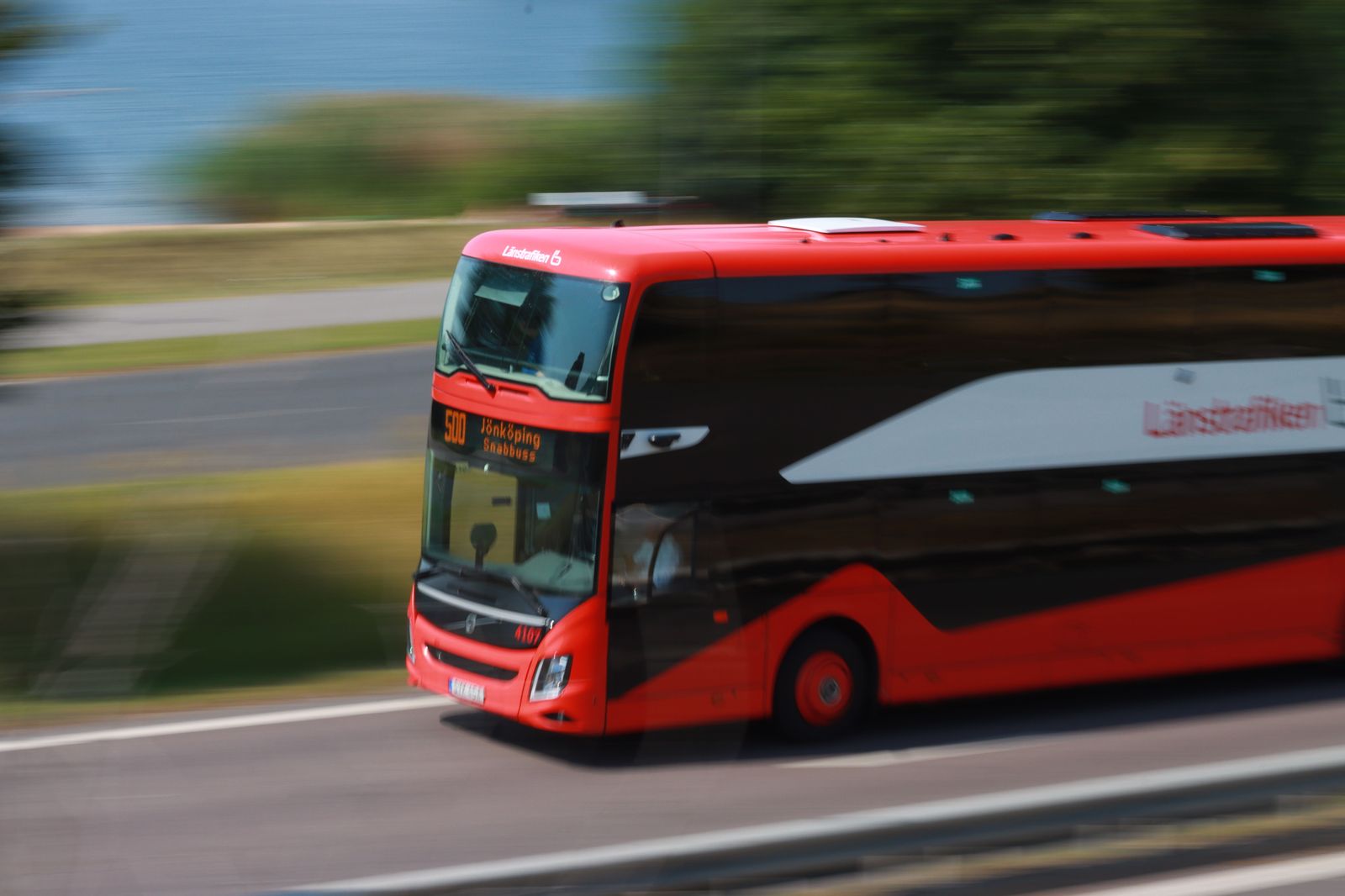
The per-rider figure only holds when vehicles run full. A Sprinter carrying eight people costs the same as one carrying fourteen, which is why Step 1 matters. Larger crews move to coaches of 24–56 seats from partner operators in the LimousineWorldwide.Directory network, still on one timetable and one invoice.
Step 6: write the rider rules
A one-page rider guide avoids most problems: pickup times and points; how long the vehicle waits (usually two to three minutes); what happens if you miss it; no food or open drinks; bags and tools in the rear luggage area; who to contact if you will not ride that day. Riders should know the shuttle leaves on time for the sake of everyone else aboard.
Step 7: run a 60–90 day pilot
Start small: one route, one shift, one Sprinter, for 60–90 days. Measure four things each week: riders per run, on-time arrivals, lateness among riders compared with non-riders, and feedback. At the end, decide whether to extend, add a route or stop. A pilot also flushes out problems a plan cannot, such as a pickup point that floods or a gate that opens five minutes late.
Step 8: set up billing and reporting
Standing shuttles on approved corporate accounts are invoiced weekly or monthly, itemized by date, vehicle and hours, with HST shown separately and your cost centre on each line. On request, the chauffeur checks riders against a list and dispatch sends a trip log: departure and arrival times and rider counts. That log is the evidence for the pilot review. Our corporate account guide explains roles and invoicing.
A worked example: a seasonal peak at a distribution centre
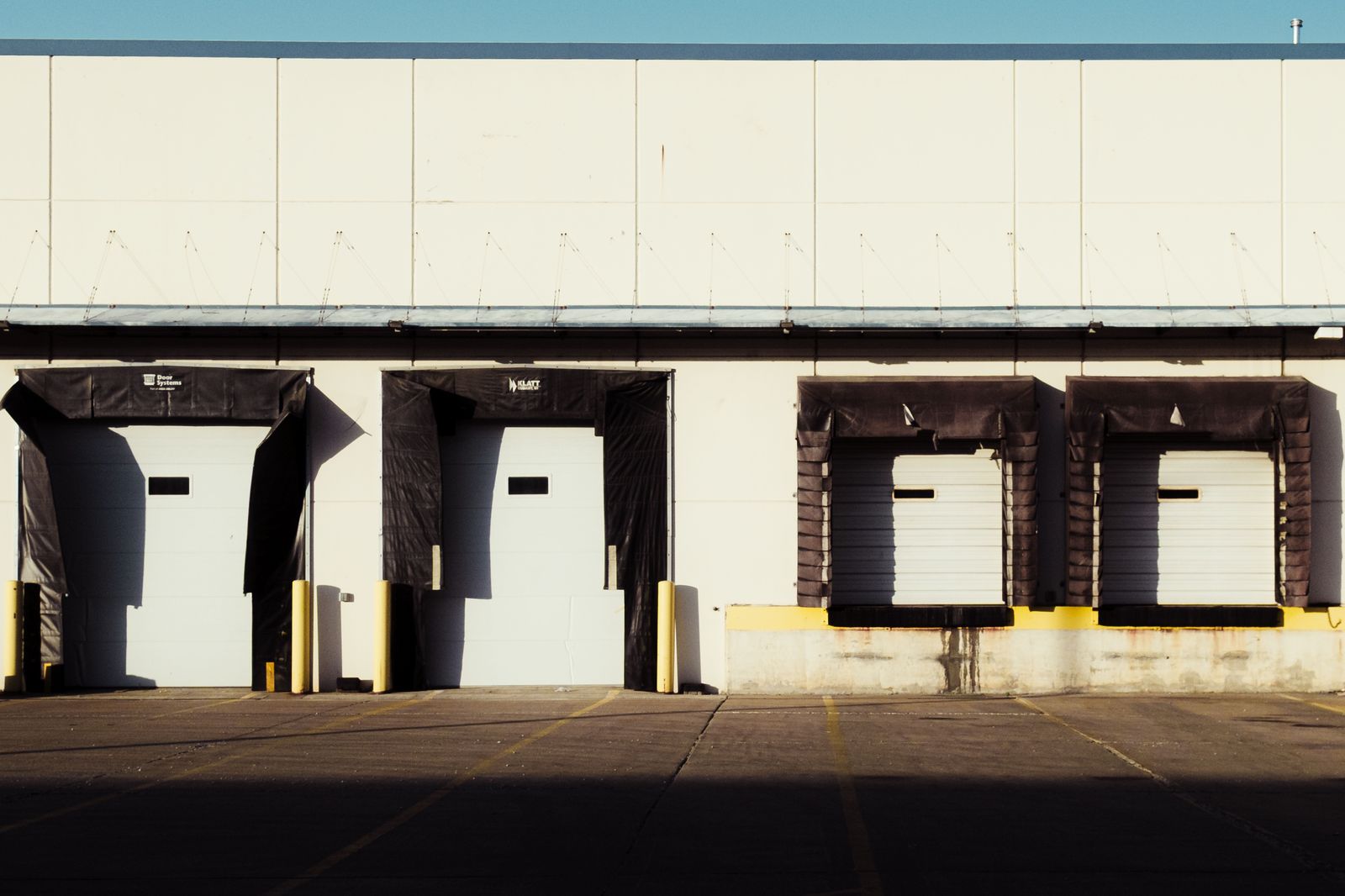
A Stoney Creek distribution centre adds 40 seasonal workers from October to December on a 6:00 am to 2:30 pm shift. The survey shows 22 riders downtown and 18 on the Mountain.
- Route A: two Sprinters from a downtown point at 5:25 am, arriving 5:50 am (about 12 km, 20–25 minutes).
- Route B: one Sprinter from a Mountain point at 5:20 am, by the Linc and the Red Hill Valley Parkway, arriving 5:50 am.
- Afternoon: all three depart the dock at 2:40 pm.
Three Sprinters, two 3-hour blocks each: about $5,940–6,930 per day, or roughly $149–173 per rider. Over a 60-working-day season that is about $356,400–415,800, confirmed in writing. The employer weighs that against recruitment costs and absenteeism, which is exactly the comparison the survey and pilot are designed to support.

Winter and the early shift
November to March is when shuttles prove their worth and when they are hardest to run. Lake-effect snow hits the QEW and the east end first; the Mountain accesses ice before the lower city. Dispatch checks Environment Canada the evening before and Ontario 511 at dawn and pulls departures earlier on storm days, so the shift still starts on time. Riders from Binbrook and Glanbrook on rural roads are the first to be affected.
Choosing the vehicle
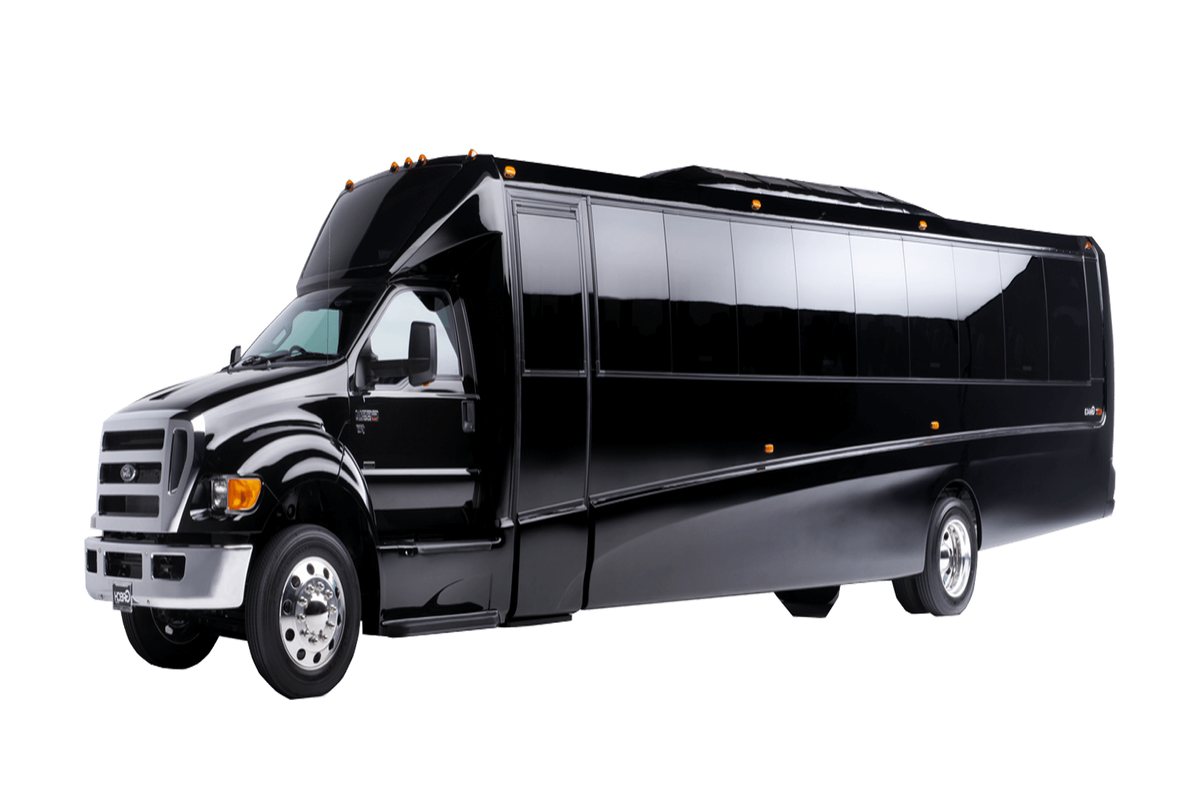
The 14-seat Sprinter is the standard: standing headroom, easy boarding in work boots, and 14 cases of luggage space for lunch bags and tools. Smaller teams use an executive SUV or luxury van. Our fleet has no ramp-equipped vehicles; riders who can transfer to a seat are easy to accommodate, and for riders who travel seated in a wheelchair we refer the employer to a specialist accessible provider.
Communicating the shuttle to employees
A shuttle nobody knows about runs empty. Launch it like any other benefit: a one-page notice with the route map, pickup points, times and the rider rules; a mention at shift briefings for the first two weeks; and a named contact for questions. New hires should hear about it at orientation, because the shuttle is often the reason they can accept the job. After the first month, share the on-time record; riders trust a service that shows its numbers.
Mistakes employers make
- Designing routes before surveying riders. The van runs half empty.
- One vehicle for three loops before shift start. The last loop is late.
- No written rider rules. The shuttle waits, everyone is late.
- Unapproved pickup points. A property owner ends the pilot for you.
- No pilot. A year's commitment on guesswork.
Budgeting beyond the vehicle
The vehicle price is the largest line, but not the only one. Budget for the staff time to run the survey and the rider list, signage at pickup points if the property owner allows it, and a contingency for storm days when a second vehicle or a later run is needed. Some employers also offer a late car for workers kept past the shuttle's departure, billed as a one-way within Hamilton at $75–100 by sedan. Against that, count what the shuttle saves: parking spaces you no longer need to lease, overtime lost to late starts, and the cost of hiring to replace people who quit because the commute was too hard. Ask your own finance and tax advisers how employer-paid transport is treated for your company.
Other shuttle uses for Hamilton employers
The same approach works for a head-office move, a temporary site during a renovation, a training week at another location, or a production shoot; see our film and TV production page for crew shuttles on location. For vehicle details, see Sprinter group transportation.
Booking and changes
A single-vehicle pilot can be booked on HamiltonLimo.net's reservation engine; multi-vehicle or multi-week programmes are priced in writing by a coordinator. Removing a scheduled run follows the sitewide rule from its pickup: more than 72 hours before, no charge; 72 hours or less, 10 %; 48 hours or less, 50 %; 24 hours or less or a no-show, 100 %. Timetable changes are free while dispatch can cover them.