Bringing wine from Canada to the US is legal. Under CBP rules a returning US resident aged 21 or over who has been out of the country 48 hours or more may include one litre of alcohol in the duty-free personal exemption; a day-tripper under 48 hours gets only 150 ml duty-free. Extra bottles for personal use are allowed but pay duty and federal excise tax. Declare everything.
Bringing wine from Canada to the US: the rules in plain words
Most of our American wine-country passengers ride with us from Buffalo, then back again, and the question on the return leg is always the same: how many bottles can we take? The short version comes from U.S. Customs and Border Protection. The border officer at the US end of the bridge is the one who matters; Canada does not inspect you on the way out at a land crossing. If you are arriving from New York State for a tasting weekend, our Buffalo to Hamilton private car page covers the drive into Canada; this post covers the bottles on the way back.
- One litre duty-free (33.8 fl oz) per returning resident aged 21 or over, inside the personal exemption, if it is for personal use and does not break the law of the state where you re-enter.
- The 48-hour line. Away 48 hours or more, your exemption is the larger one (US$800 of goods), and that litre fits inside it. Back in under 48 hours, the exemption drops to US$200 and may include only 150 ml (5 fl oz) of alcohol.
- More than the allowance is allowed, as long as it is for personal use. CBP assesses duty and federal excise tax on the extra at the port of entry.
- State law applies on top. New York's rules are set by the State Liquor Authority; federal alcohol taxation sits with the TTB.
Why the 48-hour rule changes a Niagara day trip
A 750 ml bottle is three-quarters of a litre, so a weekend visitor fits one standard bottle and a little more inside the free allowance. A same-day visitor from Buffalo or Rochester fits about one small glass. That is the piece most people miss. If you drive over in the morning, taste at four wineries and cross back that evening, every bottle you carry is technically over your duty-free alcohol amount and should be declared. It is not a reason to skip the purchase; the charge on a few bottles of wine for personal use is modest, and declaring costs you a couple of minutes at the booth. It is a reason to keep receipts together and to answer the officer's questions clearly.
Planning fares for a wine weekend with a US start
All figures are planning ranges for a business sedan, all-in (chauffeur, vehicle, fuel, tolls, gratuity) with HST shown separately. Our own reservation engine quotes the exact address, date and vehicle before you confirm, and the fare is fixed.
| Leg | Distance | Drive time | Planning fare |
|---|---|---|---|
| Buffalo airport (BUF) to downtown Hamilton | about 105 km | 80–110 min | $375–465 one way |
| Downtown Hamilton to Niagara-on-the-Lake | about 70 km | 50–60 min | $230–280 one way |
| Downtown Hamilton to Grimsby or Beamsville (the Bench) | about 35 km | 25–35 min | $125–155 one way |
| Downtown Hamilton to St. Catharines | about 55 km | 35–45 min | $175–215 one way |
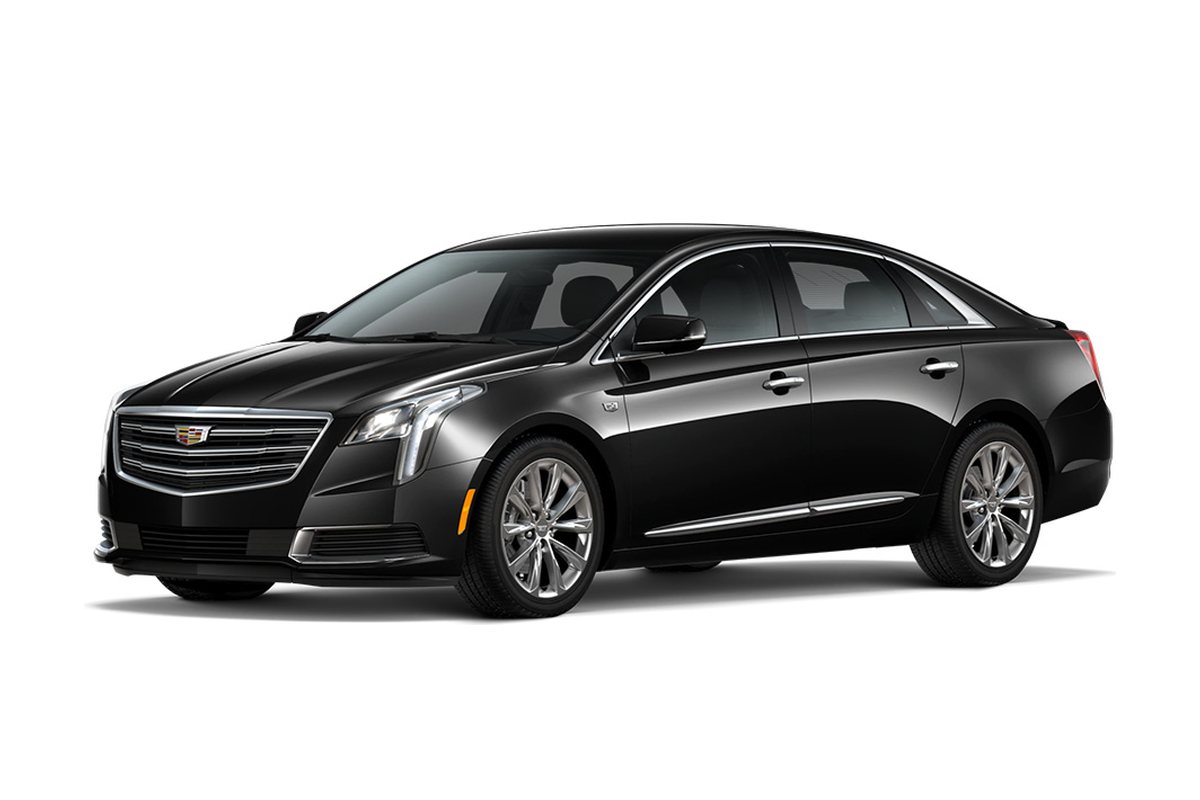
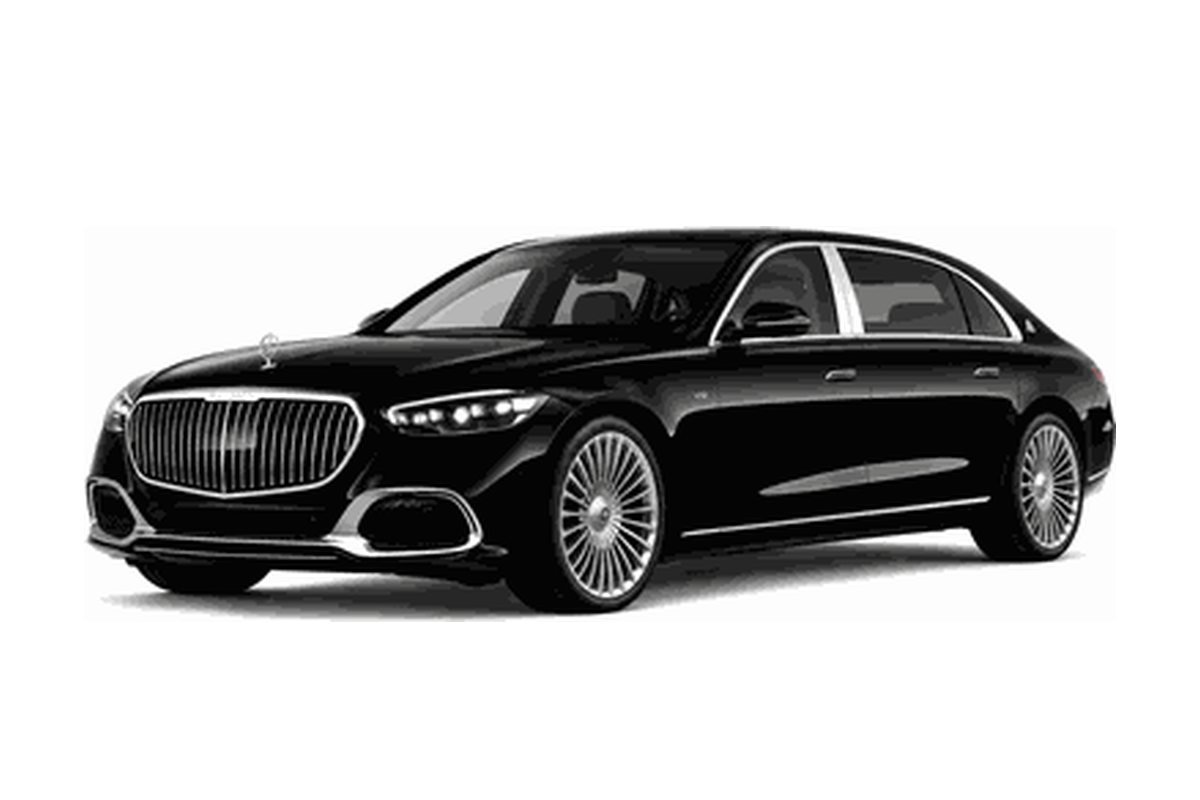
| Hourly wine day, business sedan | 3 h minimum | car stays with you | $120–145 per hour |
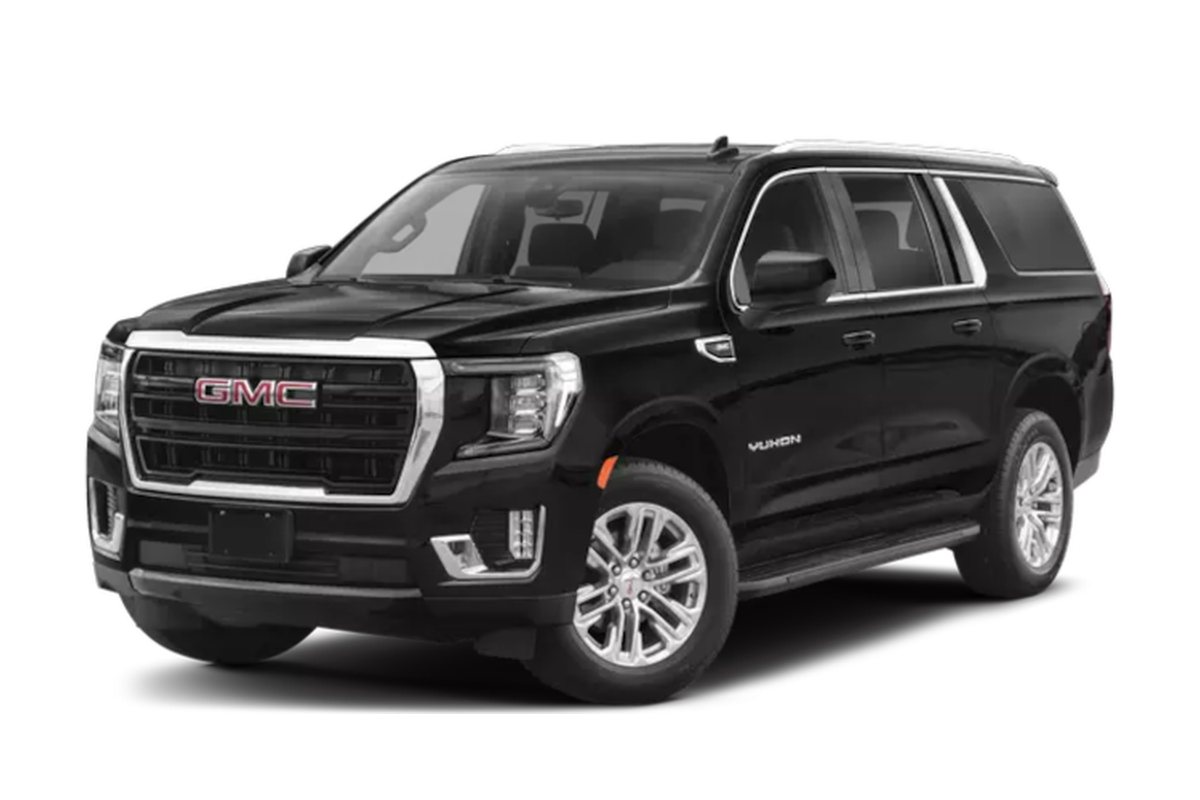
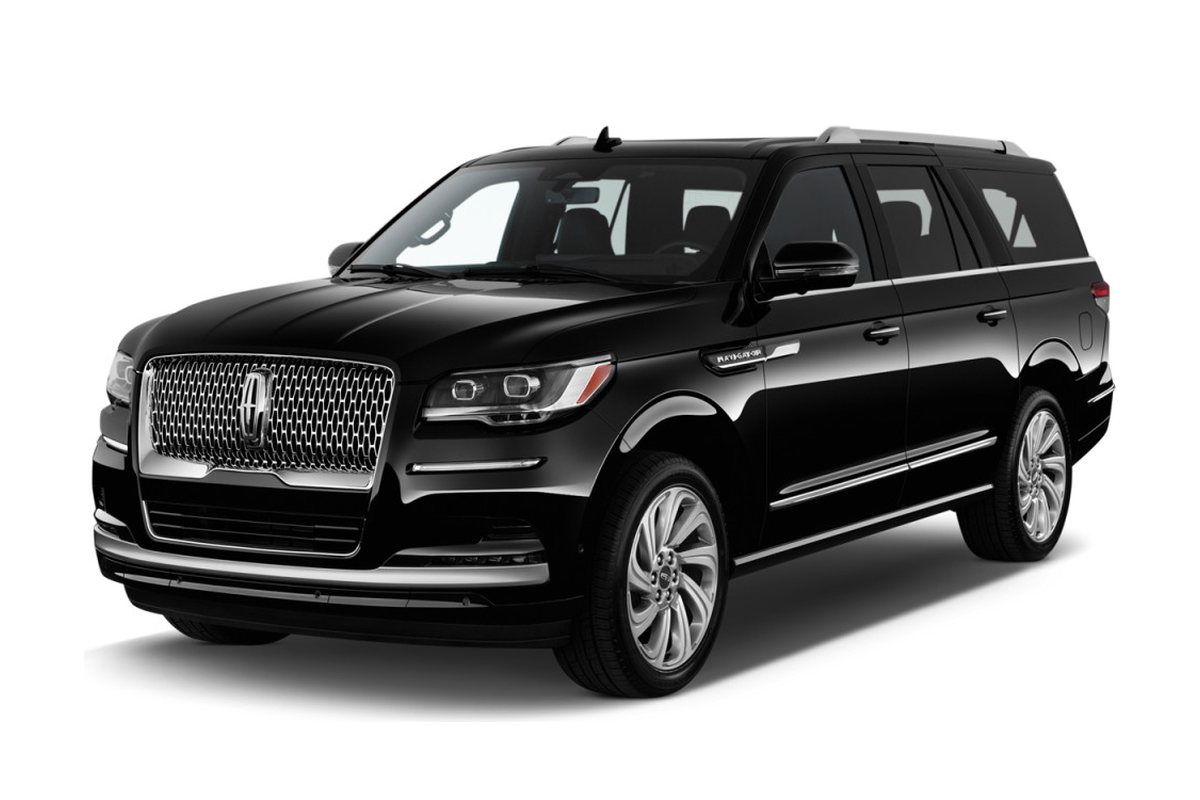
| Hourly wine day, Business SUV | 3 h minimum | up to 5 guests | $145–175 per hour |
| Hourly wine day, executive SUV | 3 h minimum | up to 6 guests | $190–235 per hour |
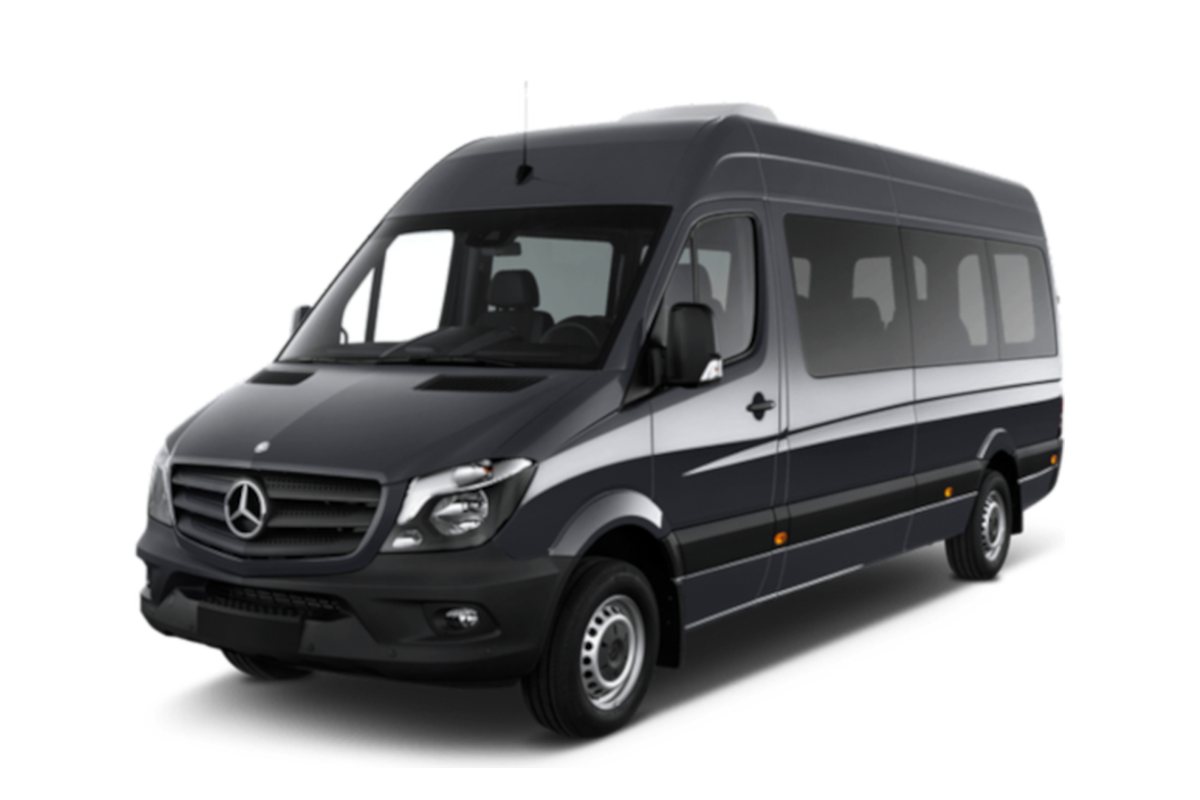
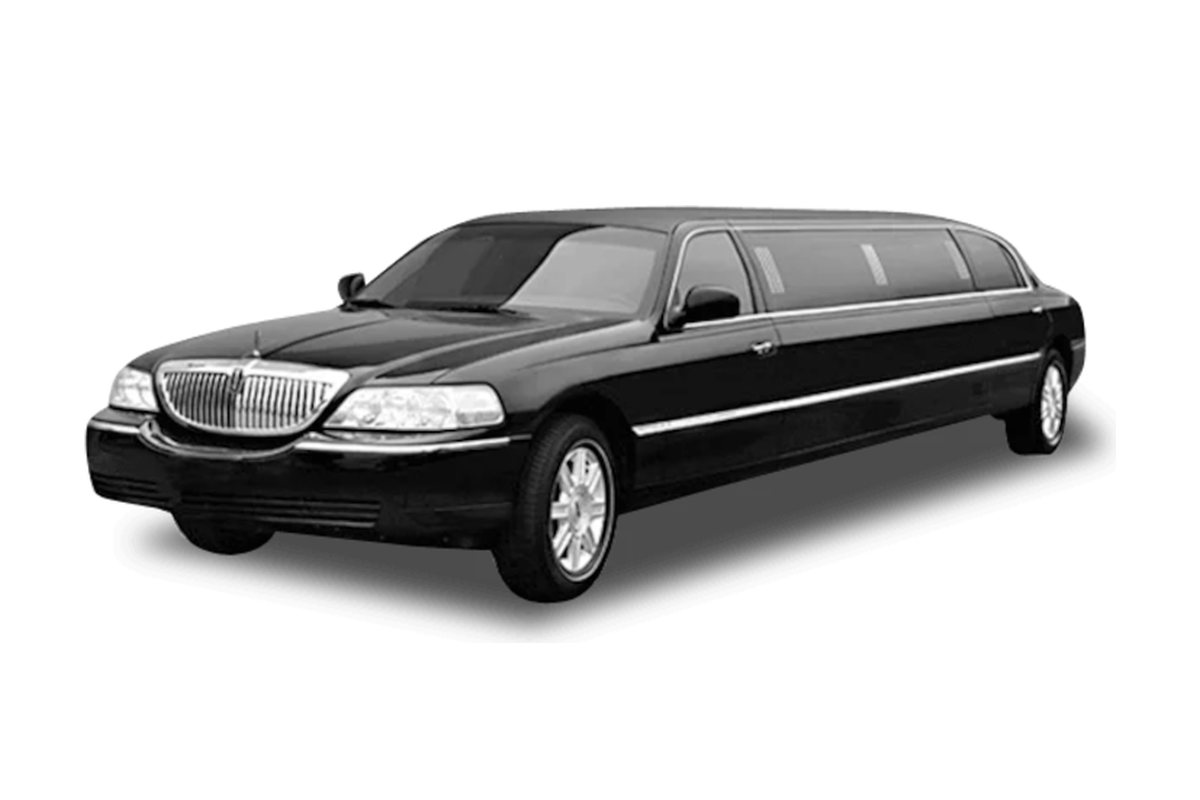
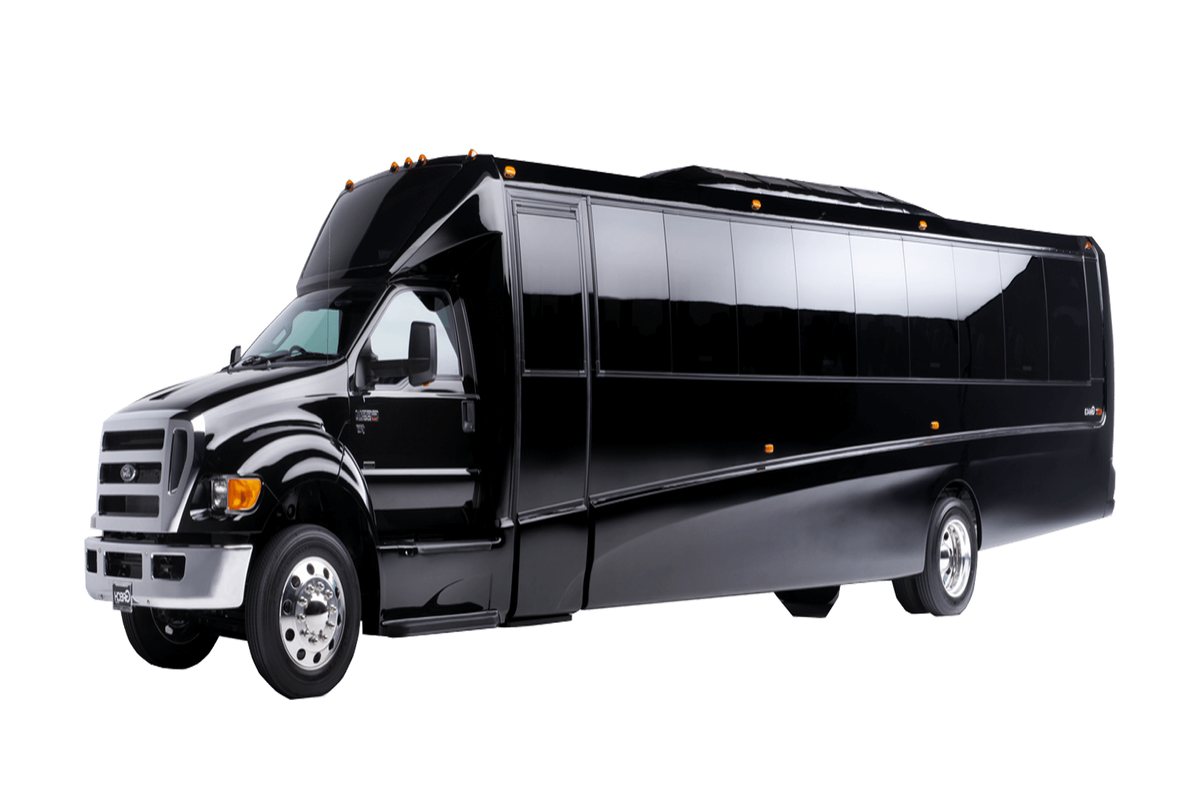
| Hourly wine day, Sprinter | 3 h minimum | up to 14 guests | $330–385 per hour |
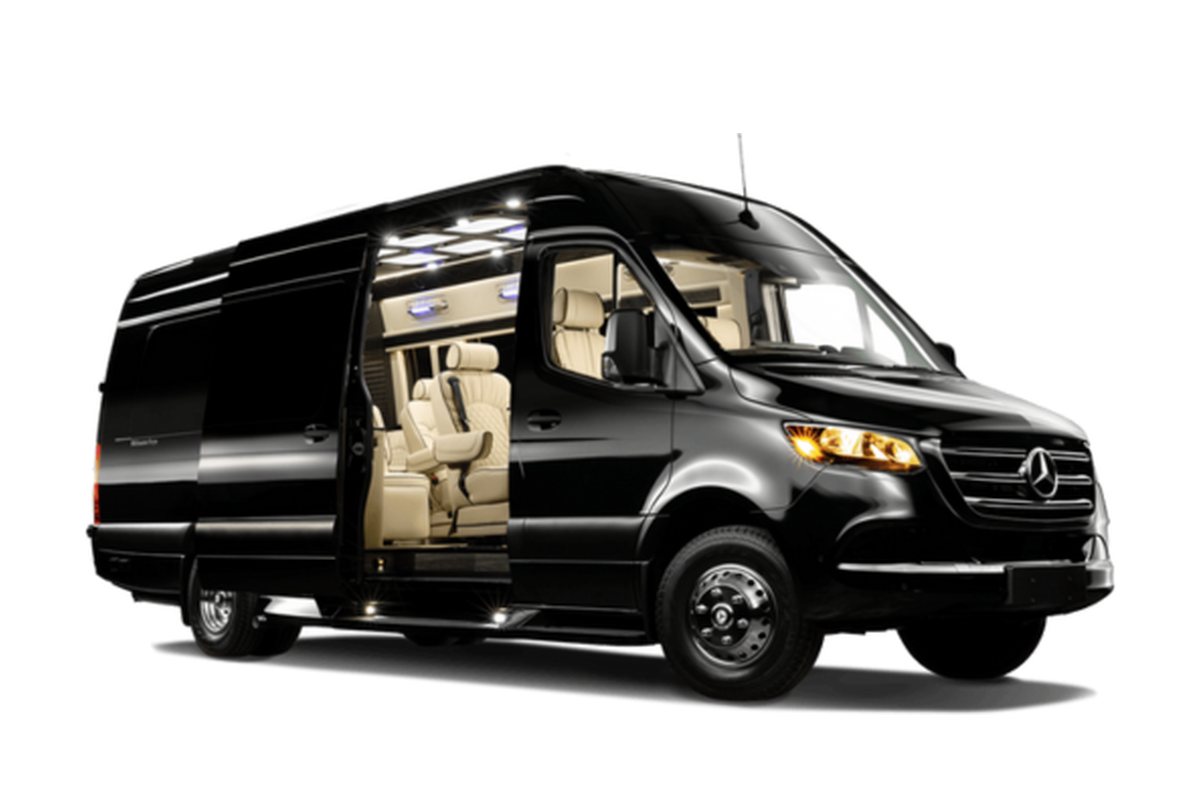
| Hourly wine day, Jet Sprinter | 3 h minimum | VIP lounge, up to 7 guests | $650–750 per hour |
A five-hour tasting day in a sedan lands around $600–725 all-in plus HST for up to three people. That is the product we recommend for wine country: an hourly chauffeur in Hamilton who drives every leg, waits at every tasting room and loads the cases. For how we shape the stops themselves, see Niagara wine tours from Hamilton.
What the extra bottles cost at the bridge
We do not quote duty amounts, because CBP sets them and they depend on the product, the alcohol content and the value. What we can tell you from the driver's seat is how it works. You list the wine on your declaration, the officer may ask you to pull into secondary, and the duty and federal excise tax are calculated and paid there. Keep the winery receipts in one envelope so the numbers are easy to check. Two things raise eyebrows: very large quantities, which start to look commercial, and anything undeclared that turns up in the trunk. Buying a case for a family wedding is personal use; buying ten cases to resell is not.
Icewine, fortified wine and spirits
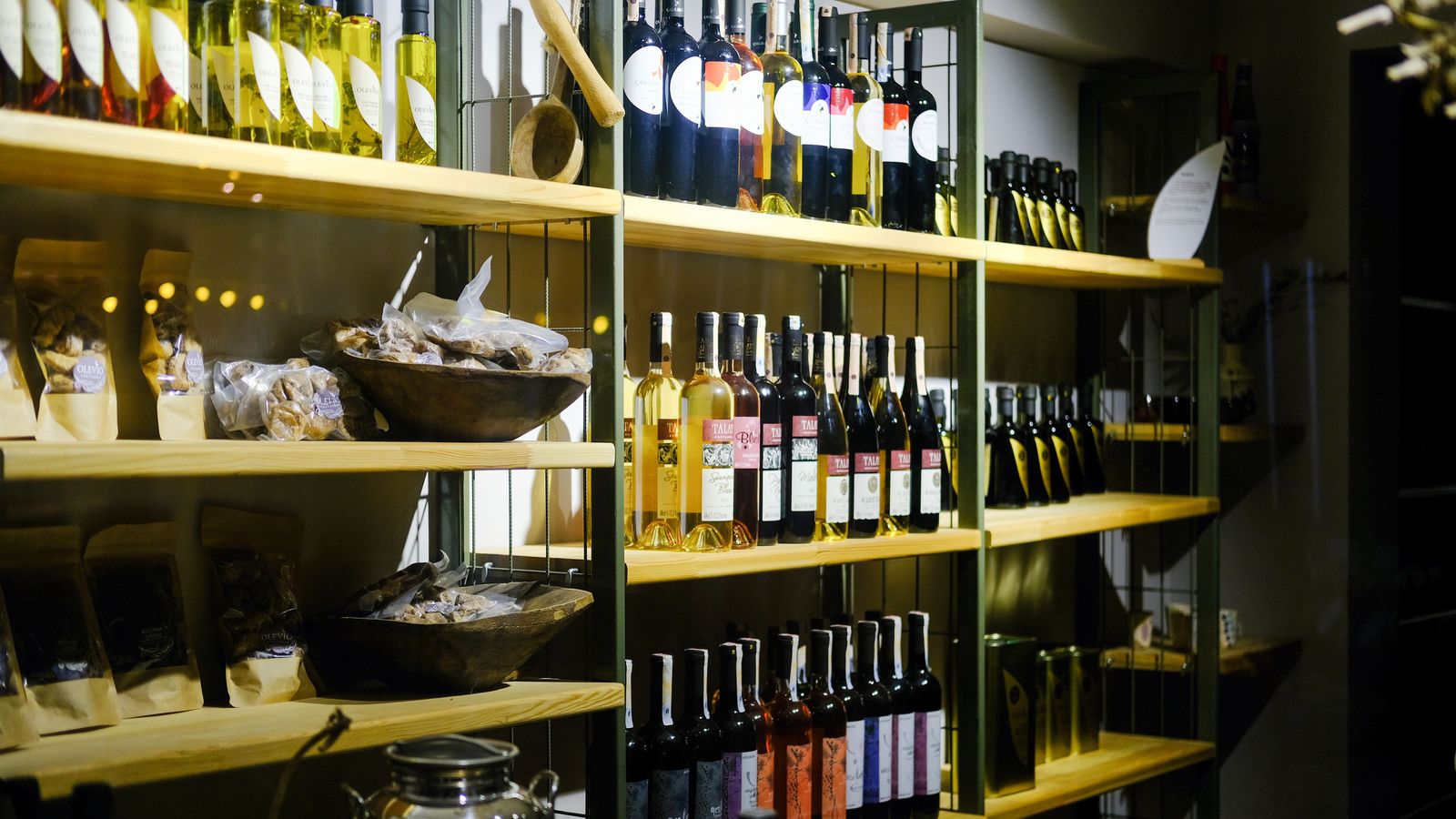
Icewine is the souvenir everyone wants, and it helps with the arithmetic: it is usually sold in half bottles (375 ml) or smaller, so two icewines equal one standard bottle. It is still wine for customs purposes, and it still counts toward the same litre. Fortified wines and the craft spirits some Niagara producers make are higher in alcohol, which changes the excise calculation, and airlines treat high-proof spirits differently in checked bags. If you are flying home rather than driving, read the TSA rules on alcohol in checked luggage before you pack; wine does not go in your carry-on unless it is within the liquids limit.
Driving home versus flying home
The two routes home create different problems.
- Driving home via the bridges. The wine rides in the trunk of our car or yours. At the US booth you declare it, and that is usually the end of it. Our chauffeur keeps the cases upright and cool; summer heat in a parked car cooks wine, which is one more reason to keep the car with a driver rather than leaving it baking in a winery lot.
- Flying home from Pearson or Buffalo. Wine goes in checked luggage in padded wine sleeves or a proper shipper box, which many wineries sell. If you fly from Toronto Pearson, you clear US preclearance at the airport before boarding, and the same declaration rules apply there. From Buffalo, you already crossed by road, so the declaration happened at the bridge.
Can the winery just ship it to me?
Sometimes, but often not. Direct shipping of wine to US consumers is controlled by state law, and many Ontario wineries simply do not ship across the border. Ask at the tasting counter before you buy; if the answer is no, plan to carry it. Buying a case at the winery and carrying it home in the chauffeured car is the simplest arrangement we see, and the paperwork on arrival is a declaration rather than a shipping claim.
A realistic day: Buffalo couple, Niagara-on-the-Lake, home the same night
Here is how a same-day plan runs when we pick up in Western New York. Times are typical for a weekday in September.
- 9:00 pickup in Buffalo; north to the Lewiston-Queenston Bridge and into Canada.
- 10:00–13:00 three tastings along the Niagara River Parkway and Niagara-on-the-Lake; the car waits outside each one.
- 13:00–14:15 lunch in the Old Town.
- 14:30–16:00 one icewine producer and one bench winery.
- 16:15 back to the bridge. You declare the six bottles in the trunk as over your same-day allowance; the officer either waves you on or sends you to secondary to pay the duty.
- 17:30 home.
Booked hourly, that is a long day; many couples prefer to stay a night in Niagara-on-the-Lake hotels, which also moves them past the 48-hour line if they stay two nights. The documents for the crossing itself are covered in what Americans need to enter Canada.
Which bridge on the way home
For the Niagara-on-the-Lake wineries the Lewiston-Queenston Bridge is the natural exit, a few minutes from the Parkway. For the Beamsville Bench and Twenty Valley, the Peace Bridge via the QEW to Fort Erie is often as quick. The Rainbow Bridge in Niagara Falls suits Falls-area hotels. Our chauffeurs check the posted wait times from the bridge operators, Niagara Falls Bridge Commission and the Peace Bridge, before choosing, and the side-by-side comparison lives in Peace Bridge vs Lewiston-Queenston.
Mistakes we see on the return crossing
- Not declaring because "it's only wine". Everything bought abroad is declared. The penalty for an undeclared item can be far higher than the duty would have been.
- Mixing receipts. Keep one envelope for the whole day; it speeds up secondary.
- Opening a purchase in the car. Bottles bought to take home stay sealed in the trunk on our wine days; open alcohol in vehicles is governed by Ontario law (the AGCO regulates liquor), and a sealed, boxed case is also what a border officer expects to see. Taste at the winery; drink at the hotel.
- Buying for a friend and saying it is yours. Gifts are fine; describe them honestly.
- Leaving wine in the sun. A chauffeur parks in shade and keeps the cabin cool; a self-drive car sits in a lot.
Canadians and other visitors carrying wine
If you are a Canadian resident, the question runs the other way. Returning to Canada after 48 hours or more, you may bring 1.5 litres of wine, or 1.14 litres of spirits, or 8.5 litres of beer, within your personal exemption; visitors entering Canada get the same alcohol allowance. Details are on the CBSA site. Americans bringing a bottle of their home state's wine as a gift for Hamilton relatives are covered by that same visitor allowance on the way in.
Why a chauffeur makes the wine run simpler
Wine country and the border both reward a sober, patient driver who knows the roads. Our chauffeurs carry cases, keep them upright, keep receipts in the car and handle the bridge queue while you sit in the back. There is no argument about who drives after the fourth tasting. You book direct on HamiltonLimo.net, see one fixed all-in fare before you confirm, and deal with one dispatch desk for the whole weekend: no meter, no surge, no app commission. Our cross-border limo service explains how we run longer US days, and the Niagara-on-the-Lake car service page covers local pickups there.
A quick checklist before you leave Canada
- Count bottles and litres per adult; note who is under 21.
- Put all receipts in one envelope.
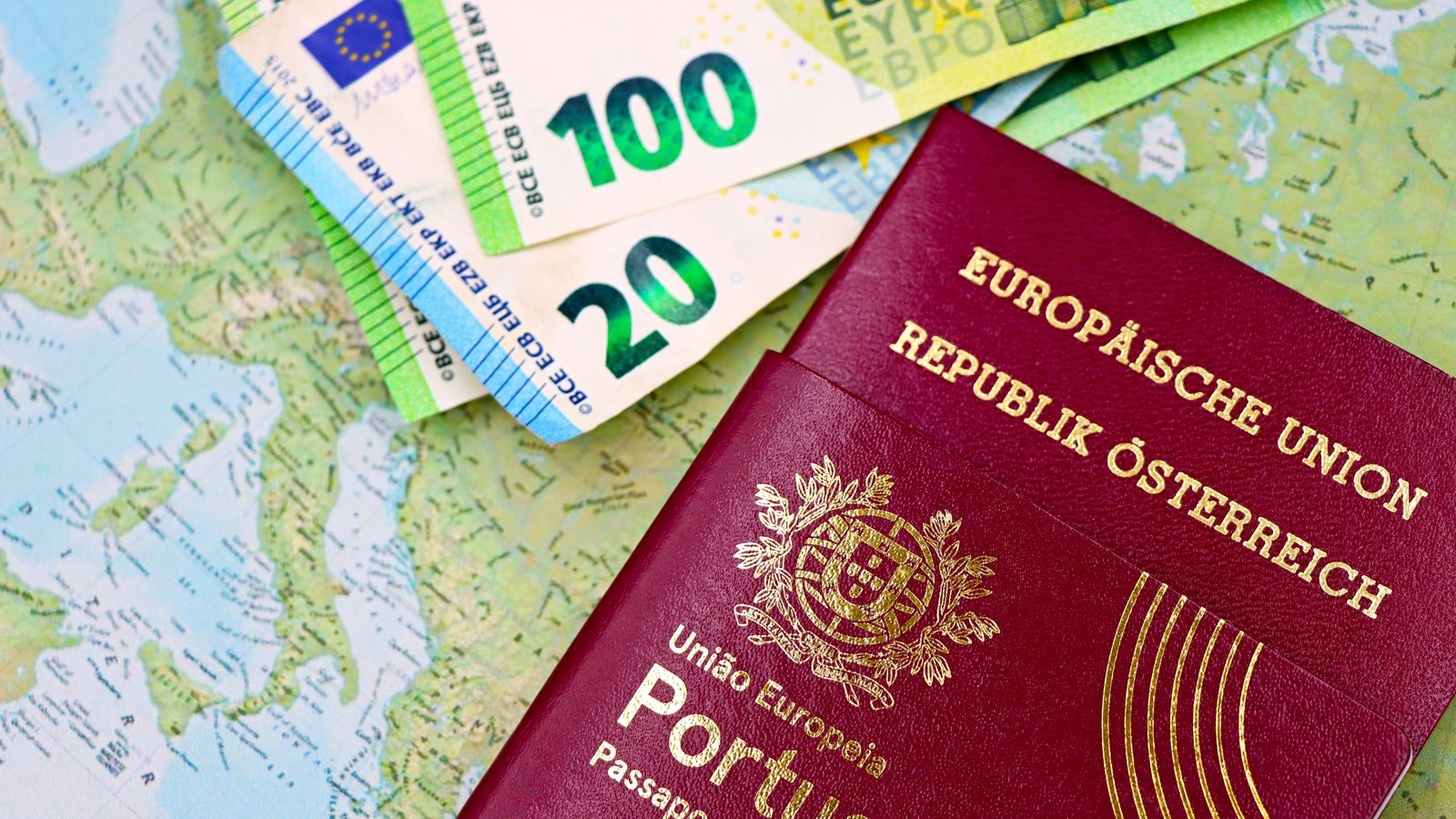
- Decide which passports and documents each person will hand over.
- Know whether your trip was under or over 48 hours.
- Pack the wine where the officer can see it if asked.
- Tell your chauffeur the total so nobody is guessing at the booth.
Choosing where to taste
For wineries worth the drive, Wine Country Ontario lists producers by region, and the VQA Ontario site explains the appellations you will see on labels. Our own best Niagara wineries to visit post and the private driver for a Niagara wine tour post cover route and timing; this post is only about getting the bottles home legally. Book the car, taste freely, declare honestly.