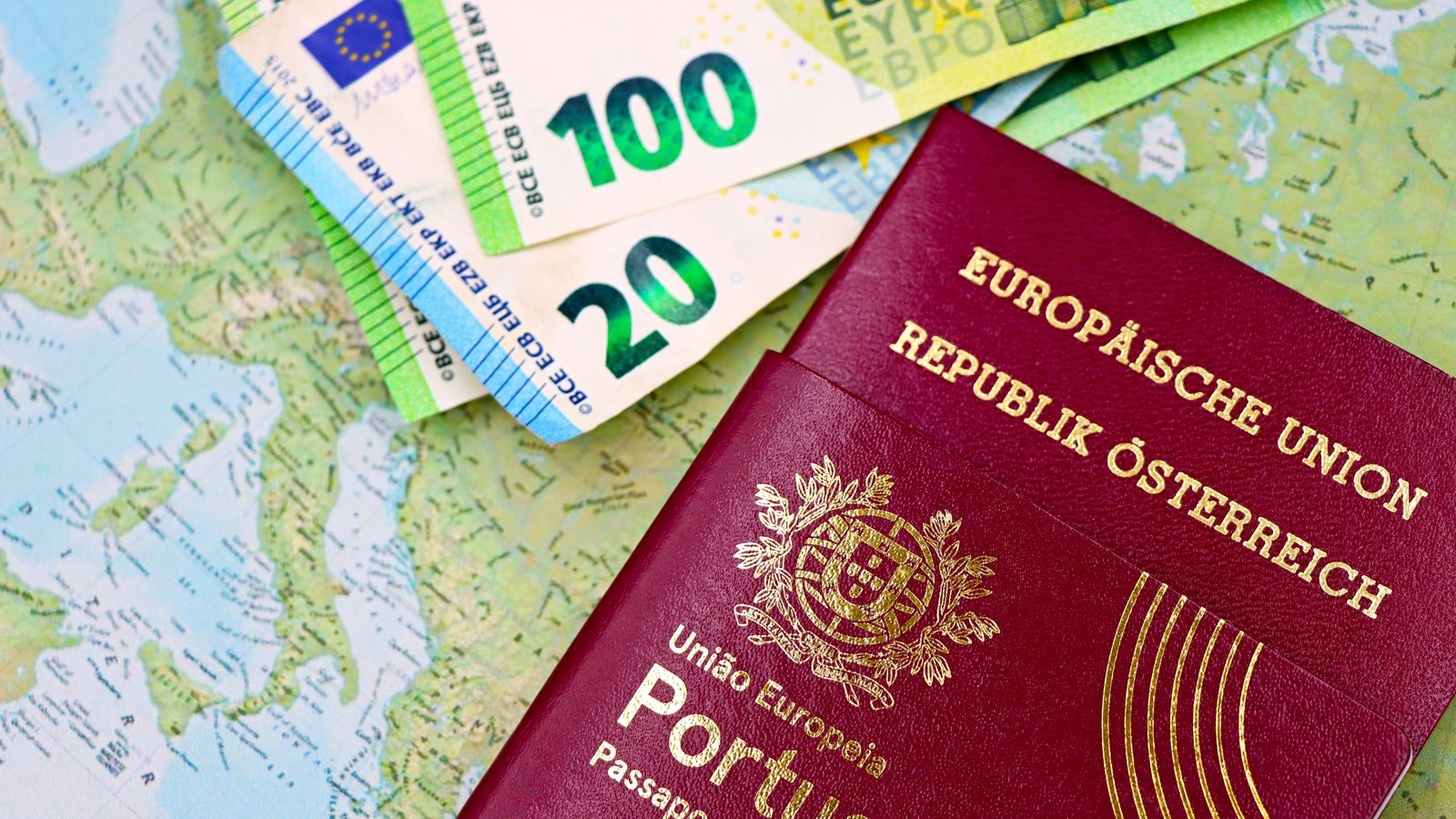
No, not strictly. By car, the Canada Border Services Agency asks US citizens for documents showing name, date of birth and citizenship; a passport is recommended but not required. The real test is the trip home: US law requires a passport, passport card, enhanced driver's licence or NEXUS card to re-enter by land. Carry one of those and both booths are simple.
Do Americans need a passport to go to Canada by car?
Strictly speaking, no. This is the question American guests ask our dispatch desk most often before a trip to Hamilton, and the honest answer has two halves. Canada sets the rules for getting in; the United States sets the rules for getting home. Our general guide to crossing the border by limo lays out documents for every nationality. This post looks at the crossing only through American eyes: what CBSA actually accepts at the booth, what CBP will want on the way back, and which card to keep in your wallet so neither officer has a reason to ask twice.
The short rule we give every US visitor: bring a document that works in both directions. That means a passport book, a passport card, a state-issued enhanced driver's licence or a NEXUS card.
What Canada asks for at the booth
The CBSA's travel document page says US citizens should carry documents that show their full name, date of birth and citizenship, and that a combination of documents is acceptable if one does not show all three. A passport is recommended, not mandatory. In practice that means a US birth certificate plus a government photo ID can get an adult into Canada by car.
Recommended is the key word. An officer who cannot quickly confirm who you are and that you are a citizen can take longer, ask more questions or send the car to secondary inspection. In a hired car that delay is shared by everyone on board, so we always suggest the stronger documents below.
Why the trip home decides the document
Getting into Canada on a birth certificate is only half a plan. Under the Western Hemisphere Travel Initiative, CBP lists the documents US citizens may present when returning by land: a US passport, a passport card, an enhanced driver's licence, a trusted-traveller card such as NEXUS, and a few specialist documents. A birth certificate and an ordinary driver's licence are not on that list for adults.
People without a compliant document are not usually turned away as citizens, but they should expect a slower, more detailed return inspection. If your Hamilton trip ends with a flight home from Toronto Pearson rather than a drive, the rule is stricter still: international air travel needs a passport book.
Passport book, passport card, EDL or NEXUS: which to carry
| Document | Enter Canada by car | Return to the US by car | Fly home from Pearson or YHM |
|---|---|---|---|
| US passport book | Yes | Yes | Yes |
| US passport card | Yes | Yes | No |
| Enhanced driver's licence | Yes | Yes | No |
| NEXUS card | Yes | Yes | Accepted by CBP for air entry; carry your passport too |
| Birth certificate plus photo ID | Accepted by CBSA; expect questions | Not a WHTI document for adults | No |
| REAL ID driver's licence | Not proof of citizenship | No | No |
The passport card is the budget choice for anyone who only ever crosses by land. It is wallet-sized, cheaper than a book and valid at every land crossing we use. It is useless at an airport check-in desk for an international flight, so pair it with the plan you actually have.
Enhanced licences and the REAL ID confusion
The Department of Homeland Security says enhanced driver's licences are issued by Michigan, Minnesota, New York, Vermont and Washington. They carry a chip and prove both identity and citizenship at land and sea crossings. Visitors from western New York who hold an EDL can cross the Peace Bridge or Lewiston-Queenston Bridge with nothing else.
REAL ID is different. The gold star on most state licences is about domestic flights and federal buildings; it does not prove citizenship and is not a border document. We see this mix-up every summer, usually from travellers who drove to Buffalo and planned to hop across for a wedding or a Tiger-Cats game. If your licence has a star but not the word "Enhanced", bring a passport book or card.
Children, teens and consent letters
CBP's own rules let US and Canadian children under 16, or under 19 with an organised school, religious or youth group, return by land with a birth certificate or other proof of citizenship; the certificate can be an original, a photocopy or a certified copy. That makes a Niagara family weekend easy on paperwork.
What trips families up is consent. A parent travelling alone with a child, grandparents taking grandchildren to see relatives in Stoney Creek, or a coach with a travel team should carry a signed letter from the absent parent or parents with contact numbers. The Government of Canada publishes a sample on travel.gc.ca. Keep the letter with the passports in the cabin, not in a suitcase in the trunk.
Green-card holders and other US residents
Lawful permanent residents of the United States are a special case with a pleasant surprise. CBSA's travel document page says US permanent residents arriving by land directly from the US should present their permanent resident card and do not need to show a passport to enter Canada. For the return, CBP expects the green card; many residents also carry their passport so there is no debate.
Visitors living in the US on a work or student visa are not covered by that exemption. They need the passport and whatever Canadian visa or authorisation their nationality requires, and they should confirm that leaving the United States will not complicate their own US status. International students in Buffalo or Rochester should ask their university's international office before booking a car north.
Criminal records and DUIs: the question nobody asks
The documents are rarely the real problem. A criminal record can be. Immigration, Refugees and Citizenship Canada lists driving under the influence of alcohol or drugs among the offences that can make a person criminally inadmissible to Canada, and it describes ways to overcome that: deemed rehabilitation after enough time, individual rehabilitation after at least five years from the end of the sentence, or a temporary resident permit.
We are not lawyers and we do not ask about anyone's record. We do ask travellers to check before booking, because a refusal at the Canadian booth ends the trip for that passenger, and a fixed fare cannot treat a refused entry as a cancellation. If this applies to anyone in your party, read the IRCC guidance well before the date.
Things Americans commonly bring that Canada restricts
Most American visitors cross with a weekend bag and nothing to discuss. The items that cause delays in our cars are predictable:
- Firearms, pepper spray and some knives: declare all weapons; many are prohibited in Canada. We do not carry them on standard bookings.
- Cannabis: legal in many US states and in Ontario, illegal to carry across the border in either direction.
- Fresh food and plants: declare them; some meat, dairy and produce is refused.
- Alcohol and tobacco: visitors aged 19 or over have limited duty-free allowances in Ontario.
- Cash: CAN$10,000 or more must be reported.
- Pets: bring vaccination records.
The official list is on the CBSA site. Declare, and the conversation is short.
What the Canadian officer usually asks Americans
Expect three or four short questions to each adult: where you live, where you are going, how long you are staying, and whether you are bringing anything to leave in Canada, such as gifts, alcohol or goods for work. Have the address of your Hamilton hotel or relatives ready; "a hotel downtown" sounds vaguer than it is.
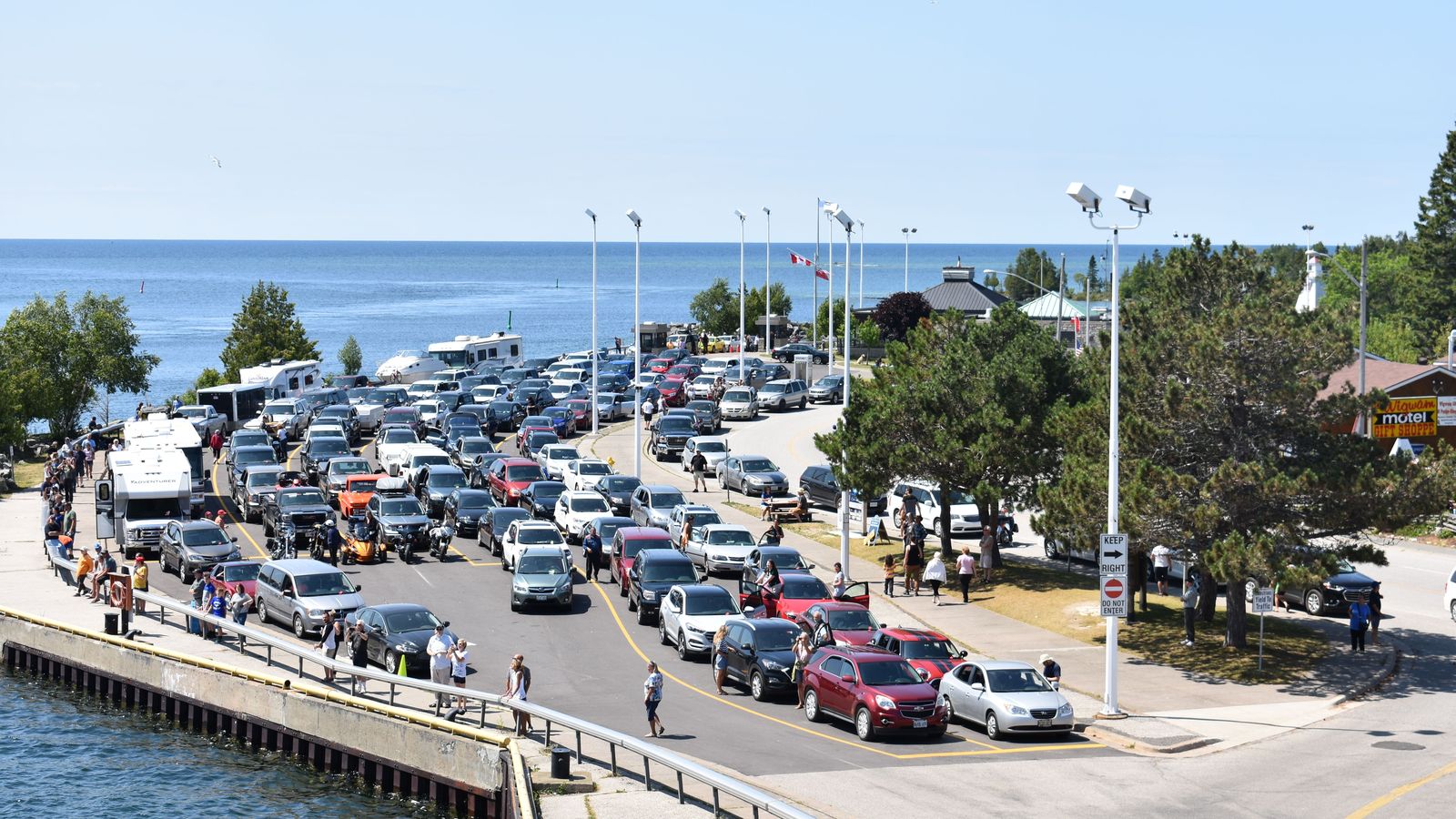
Answer for yourself. The chauffeur hands over documents when asked and speaks about the car and the route, not about your plans. Sunglasses off, phones down, windows open. A typical conversation at a Niagara bridge takes a couple of minutes, and the queue before the booth is where the time goes.
Planning fares from the US side to Hamilton
Once the papers are sorted, the ride is the easy part. These are planning figures for a business sedan, one way to downtown Hamilton, all-in (chauffeur, fuel, bridge toll, airport fees and gratuity) with HST shown separately. The reservation engine quotes the exact address, date and vehicle.
| Pickup | Distance | Drive time | Business sedan |
|---|---|---|---|
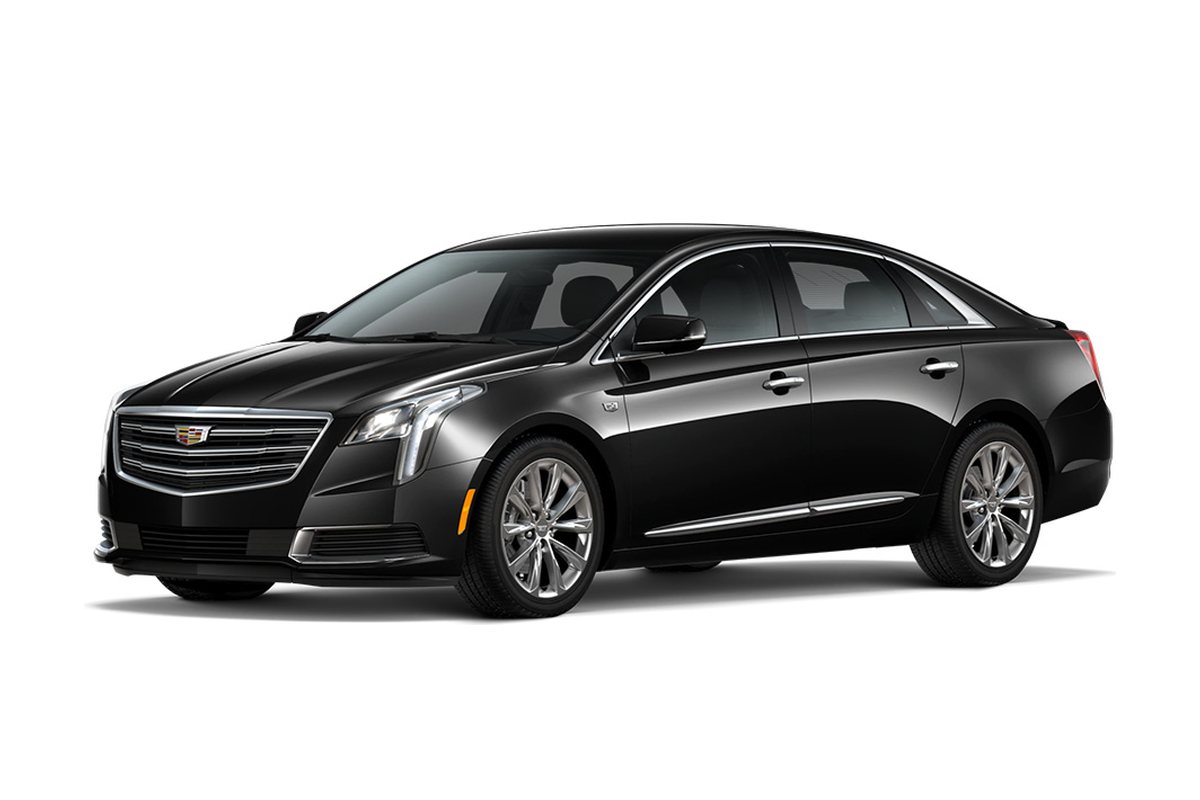
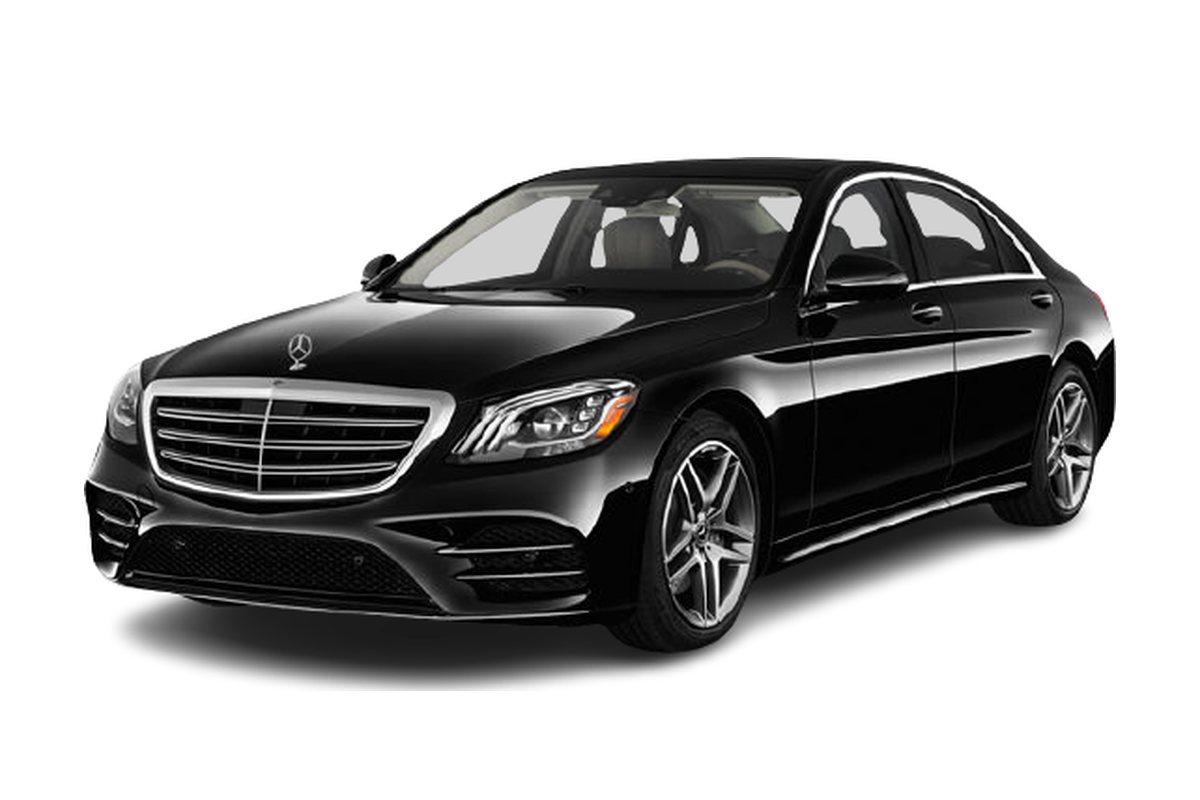
| Niagara Falls NY airport (IAG) | about 80 km | 65–90 min | $325–400 |
| Buffalo airport (BUF) | about 105 km | 80–110 min | $375–465 |
| Rochester NY | about 210 km | 2.5–3.25 h | $650–800 |
| Detroit | about 300 km | 3.25–4 h | $940–1,150 |
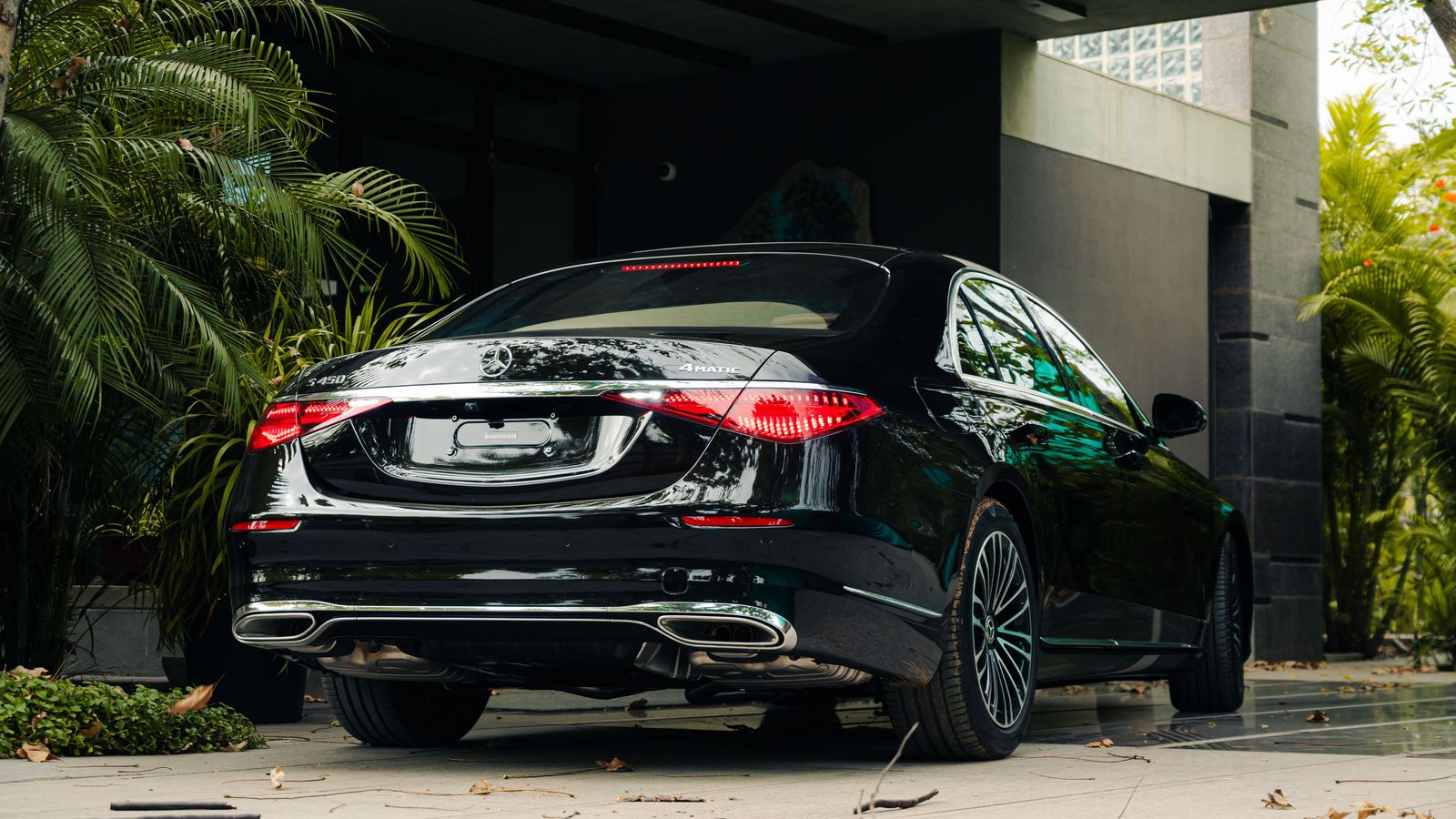
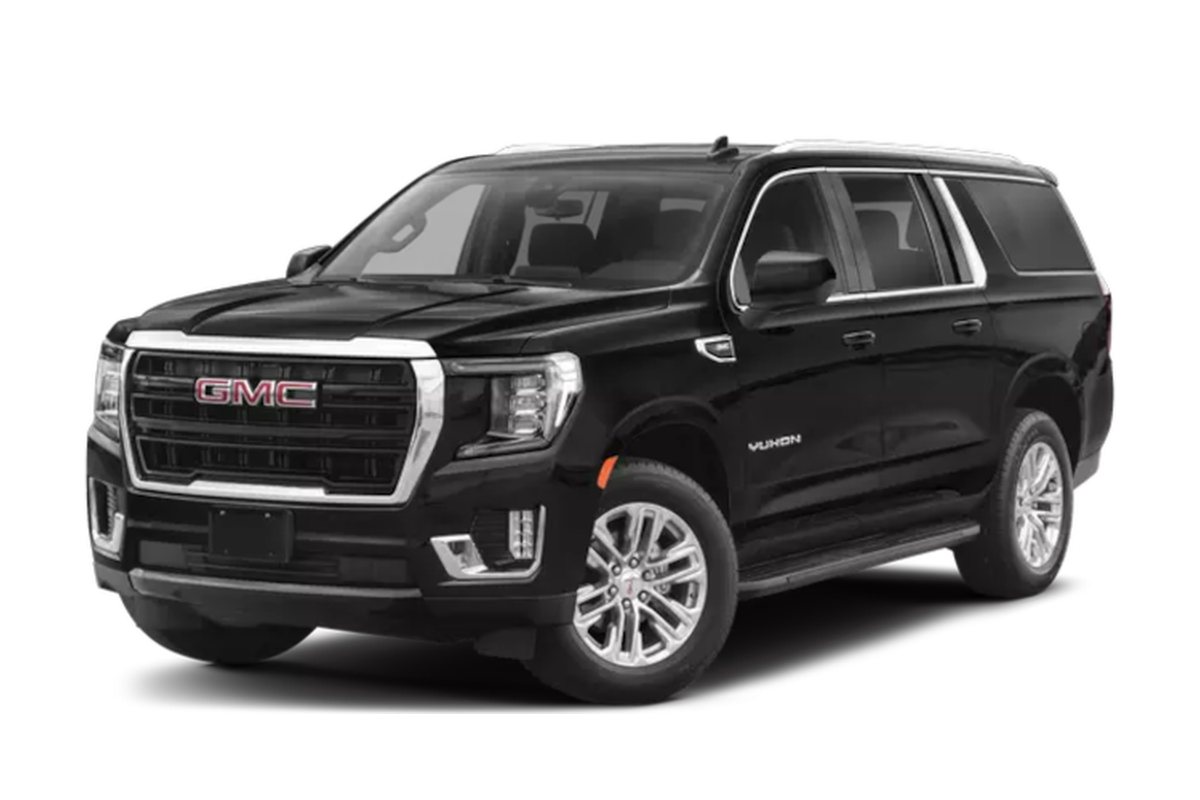
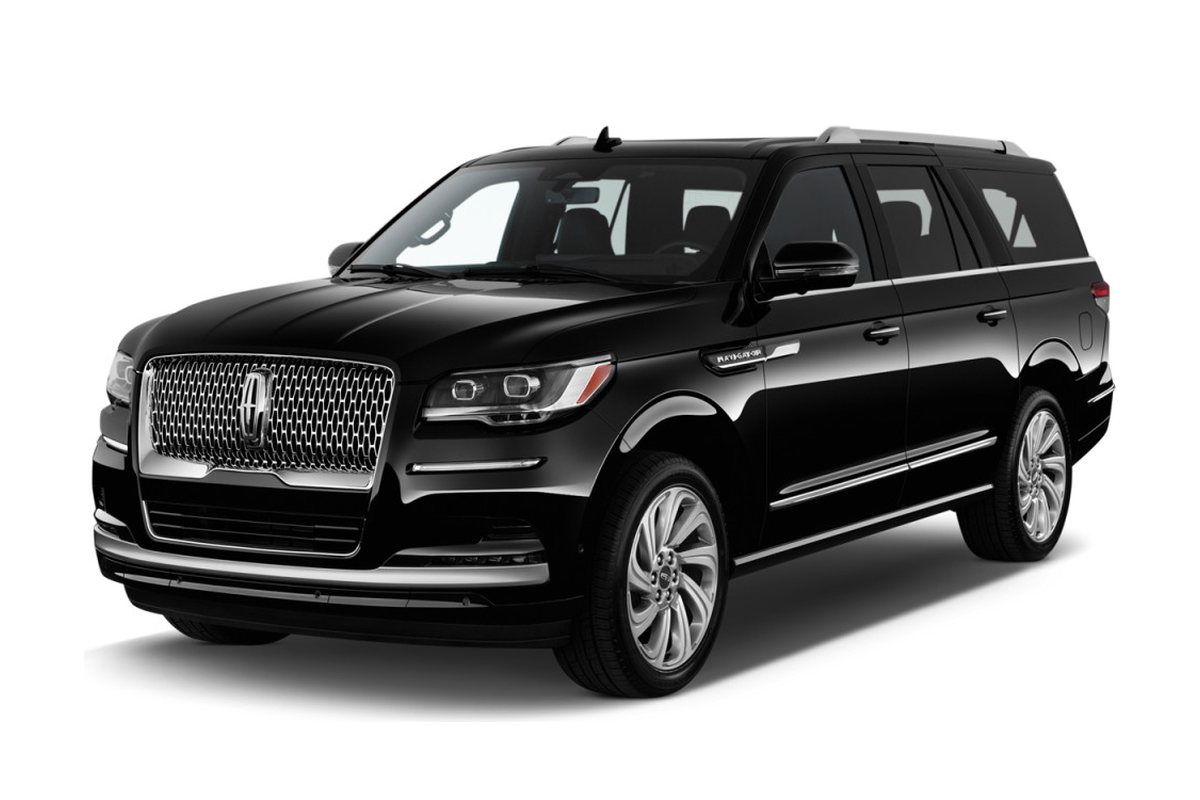
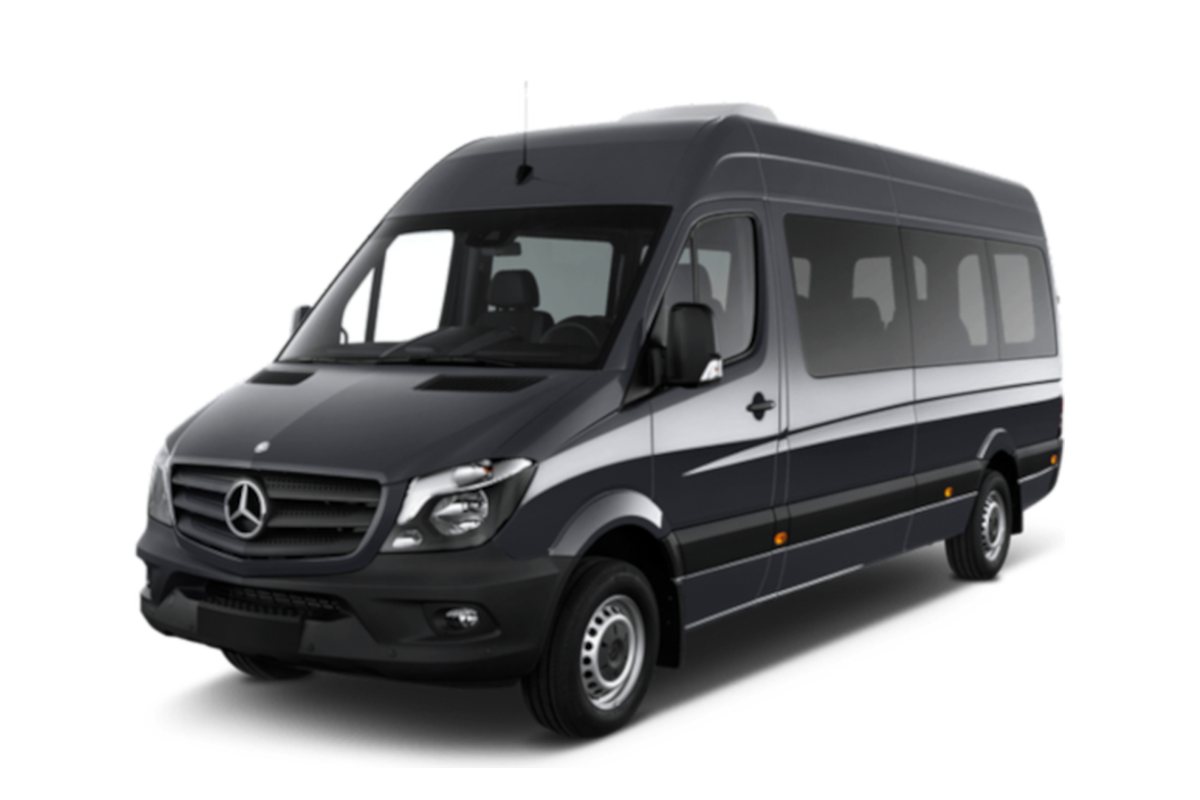
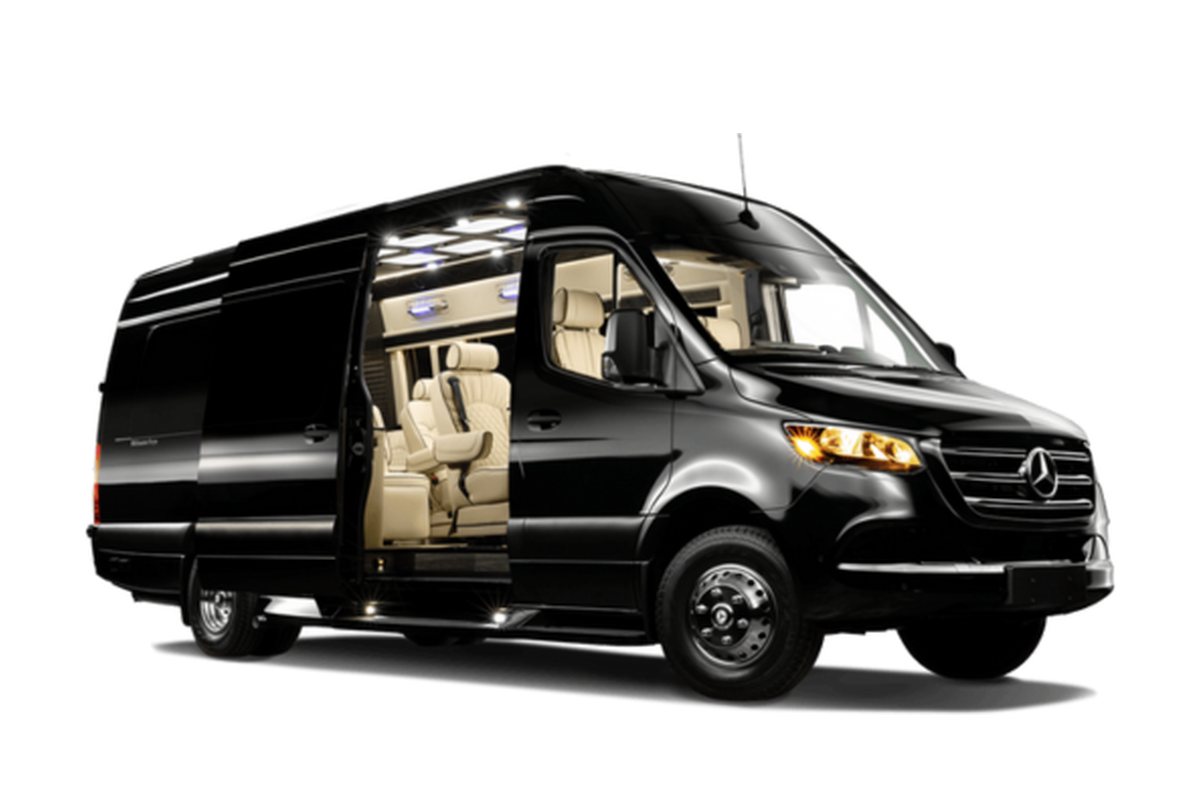
A Business SUV runs about 30 % more, an executive SUV about 65 % more, a Sprinter about 2.75 times the sedan figure and a Jet Sprinter lounge for up to seven about 4.65 times. Each origin has its own page, starting with Buffalo to Hamilton by private car and Niagara Falls NY to Hamilton.
Three American visitors, three document plans
The Buffalo retiree visiting a sister in Ancaster. Crosses twice a year by car, never flies to Canada. A passport card or a New York enhanced licence is ideal. Booked one way from home, with a return a week later.
The Ohio family of five heading to a Hamilton wedding. Parents need compliant documents; the three children under 16 can use birth certificates for the land crossing. They fly into Buffalo, so we meet them at BUF in an executive SUV with two booster seats added at booking ($10–15 each as a planning figure).
The Chicago executive with meetings at McMaster Innovation Park. Flies into Pearson and home from Pearson, so a passport book is non-negotiable. The land-border rules never apply.
When an hourly chauffeur is the better booking
Many Americans come for a day, not a week: a wedding rehearsal, a funeral, a hospital visit, a game. If the plan has several stops, our hourly chauffeur service often beats two one-way fares. The chauffeur collects you in Buffalo or Niagara Falls NY, crosses, waits at each stop in Hamilton and drives you home the same night.
Planning figures are $120–145 an hour for a business sedan and $190–235 for an executive SUV, all-in plus HST, three-hour minimum. A seven-hour Buffalo–Hamilton–Buffalo day in a sedan is roughly $840–1,015. Documents are the same as for a one-way trip; the border time simply counts as part of your hours.
Staying over: hotels and nearby cities
If you are staying the night, pick the base that matches your plans. Our downtown Hamilton hotels guide covers the lobbies near the GO Centre, TD Coliseum and the convention centre, and where the car stops at each. Visitors who want the falls as well often split the stay with a night in Niagara Falls, Ontario, about 70 km and 50–60 minutes from Hamilton ($230–280 by sedan). Prices across the bridge are in Canadian dollars; our post on using US dollars in Hamilton covers cards, cash and tipping.
The night-before checklist for American travellers
- Every adult has a passport book, passport card, enhanced licence or NEXUS card, in hand luggage.
- Children under 16 have birth certificates; consent letters are signed where one parent is absent.
- Green-card holders have their card; visa holders have passports and any Canadian visa.
- Anyone with a past DUI or other conviction has checked IRCC guidance.
- No cannabis, firearms or undeclared food in the car.
- You know the Hamilton address and the length of your stay.
- Flying home from Toronto? The passport book is packed.
- If everyone holds NEXUS, it is flagged in the booking; see our NEXUS in a chauffeured car post.
How to book the crossing direct
Book on HamiltonLimo.net's own reservation engine through the floating "Book now" button or the booking page. Enter the US pickup address or flight number, the Hamilton destination, passengers, bags and any child seats. The engine shows a fixed all-in fare before you confirm, with HST on its own line: no app, no surge, no marketplace commission, and a slow queue at the bridge does not change the price. Add every passenger's citizenship in the notes so dispatch can plan the timing. Cancellation is free more than 72 hours before pickup, then 10 % within 72 hours, 50 % within 48 hours and 100 % within 24 hours or for a no-show. For the full picture of a cross-border day, see our cross-border limo service.