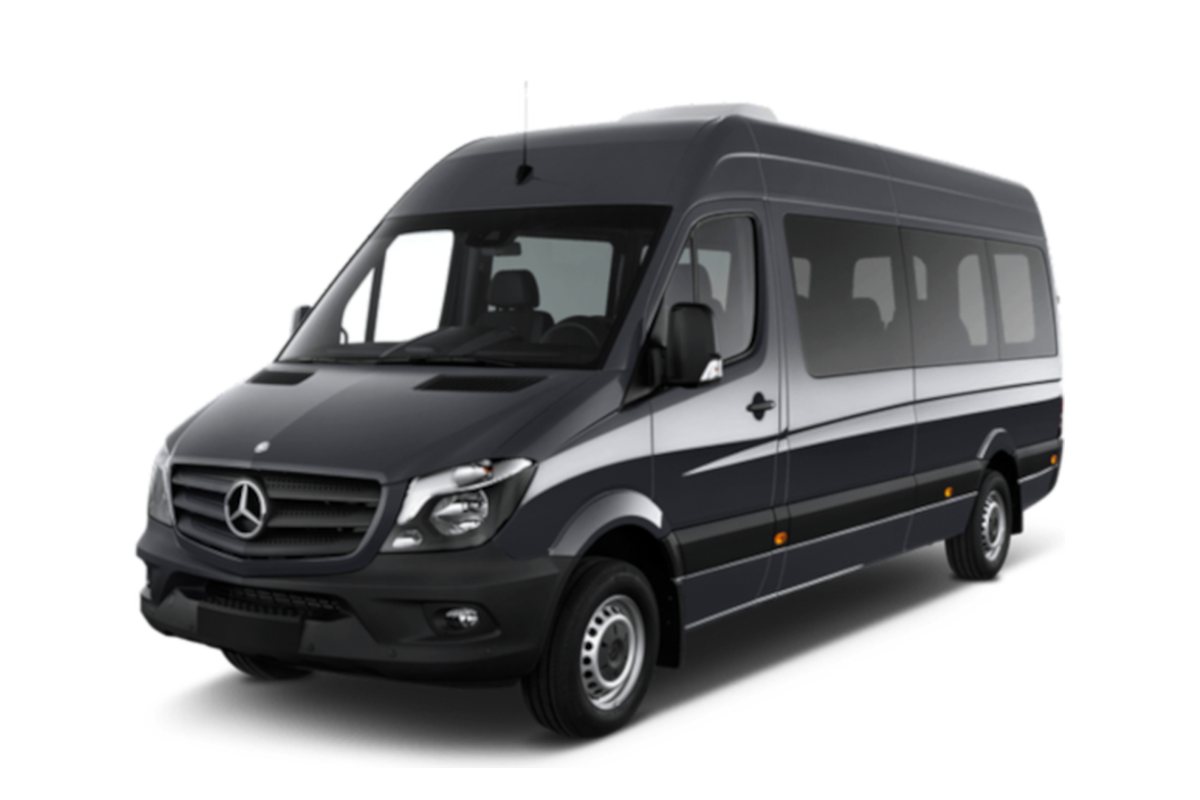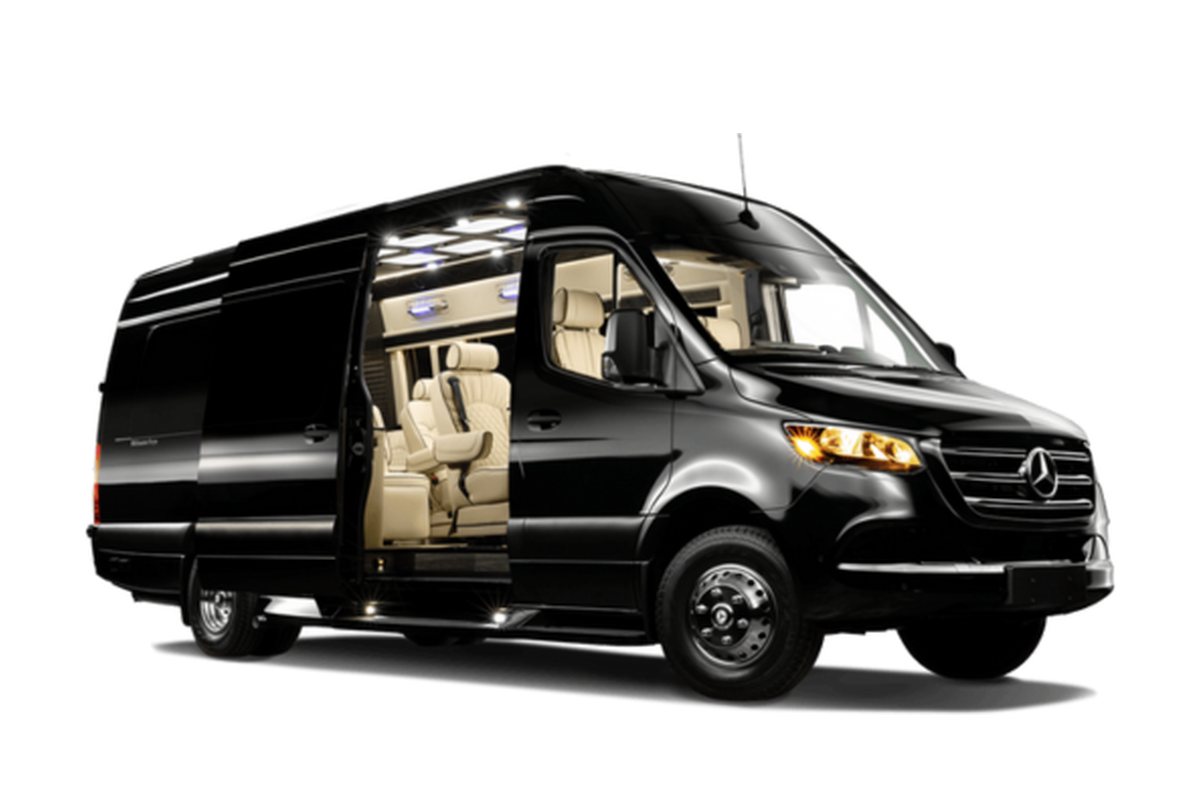
A wedding shuttle for guests is usually a 14-seat Sprinter running timed loops between hotel, ceremony and reception. One Sprinter moves about 14 guests per round trip; with a 15-minute drive, a loop takes about 45 minutes. Planning figures are $330–385 an hour all-in plus HST, 3-hour minimum. Booking a pre-ceremony block and a late-night block separately usually saves 3–4 hours of idle time.
The couple's car gets the photographs, but the guest shuttle is the vehicle that decides whether 120 people arrive on time and get home safely after the bar closes. It is also the vehicle couples plan last. This post treats the shuttle as what it is: a small transit timetable. For the vehicle itself, fourteen seats and a bus-licensed chauffeur, see our Sprinter group transportation page.
Do you need a wedding shuttle at all?
Not always. You probably do not need one when the ceremony and reception are at the same venue, most guests are local and driving, and the venue has parking. You probably do need one when:
- The ceremony and reception are in different places.
- Out-of-town guests are staying at one or two hotels.
- The venue is rural, like a Niagara winery or an escarpment golf club, where taxis are scarce at midnight.
- The bar is open and you would rather nobody drove.
- Parking at the venue is limited.
If two or more apply, a shuttle pays for itself in stress saved.
Loop maths: how many guests one vehicle moves
A loop is: load at the hotel, drive, unload at the venue, drive back. Budget 10 minutes to load and 5 to unload.
| One-way drive | Round trip | Guests moved per hour, one Sprinter | Guests moved per hour, 30-seat party bus |
|---|---|---|---|
| 10 min | 35 min | about 24 | about 50 |
| 15 min | 45 min | about 18 | about 40 |
| 20 min | 55 min | about 15 | about 32 |
| 30 min | 75 min | about 11 | about 24 |
Most guests want to arrive in the last 45 minutes before a ceremony. If 60 guests need to arrive in that window and the drive is 15 minutes, one Sprinter cannot do it; two Sprinters or a partner party bus can. Rule of thumb: divide the guests who need the pre-ceremony run by 14 and plan that many loops, then check they fit in 60–75 minutes.
Split the booking: the move that saves the most money
A typical shuttle day has two busy windows and a long quiet middle: guests to the ceremony at 2:30–3:30 pm, and guests home at 10:30 pm–12:30 am. Holding one vehicle through dinner wastes hours.
| Plan | Hours billed | Sprinter planning cost, before HST |
|---|---|---|
| One vehicle held 2:00 pm to 12:45 am | 11 hours | $3,630–4,235 |
| Pre-ceremony block 2:00–5:00 pm plus late block 10:00 pm–1:00 am | 6 hours | $1,980–2,310 |
| Late block only, 10:00 pm–1:00 am | 3 hours | $990–1,155 |
The split saves about $1,650–1,925 before tax on the same service. The only question is whether the vehicle is available twice that day, which is why the shuttle should be booked with the rest of the wedding plan.
Which vehicle for which guest list?
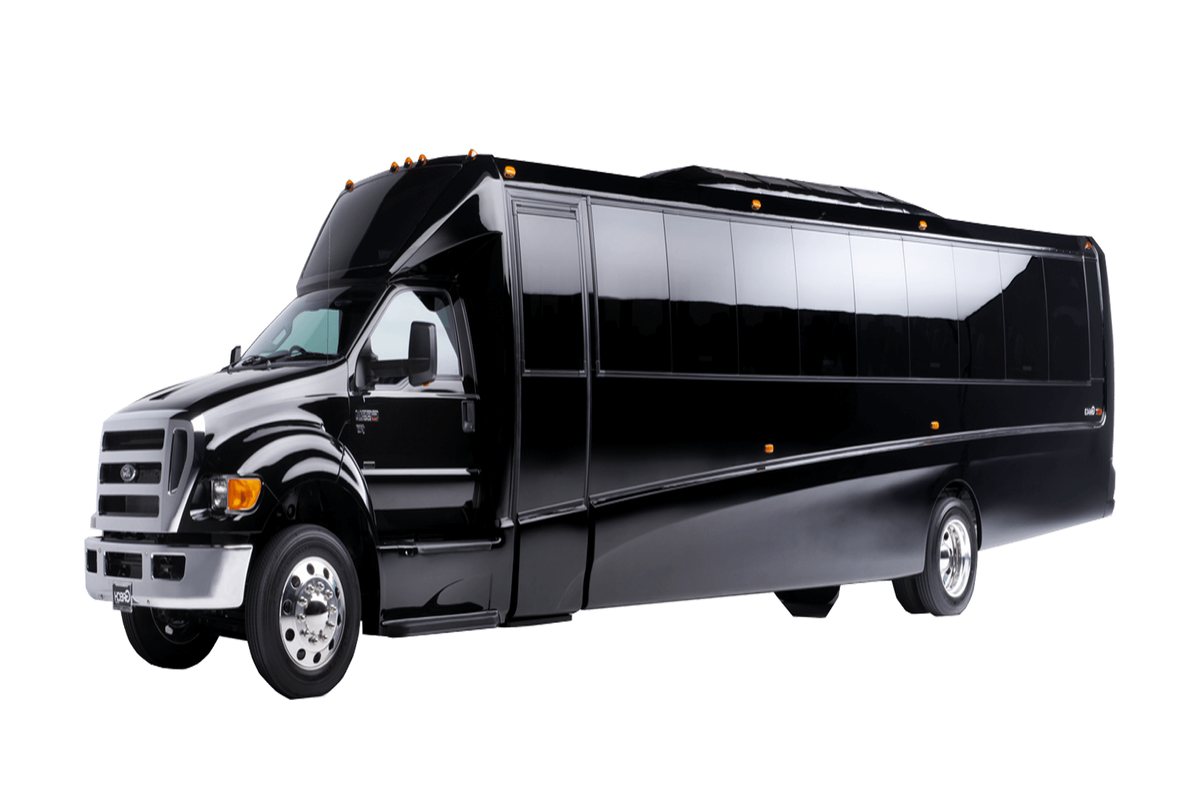
- Up to 14 per loop, short drive: one Sprinter, the workhorse. Forward-facing belted seats and room for handbags.
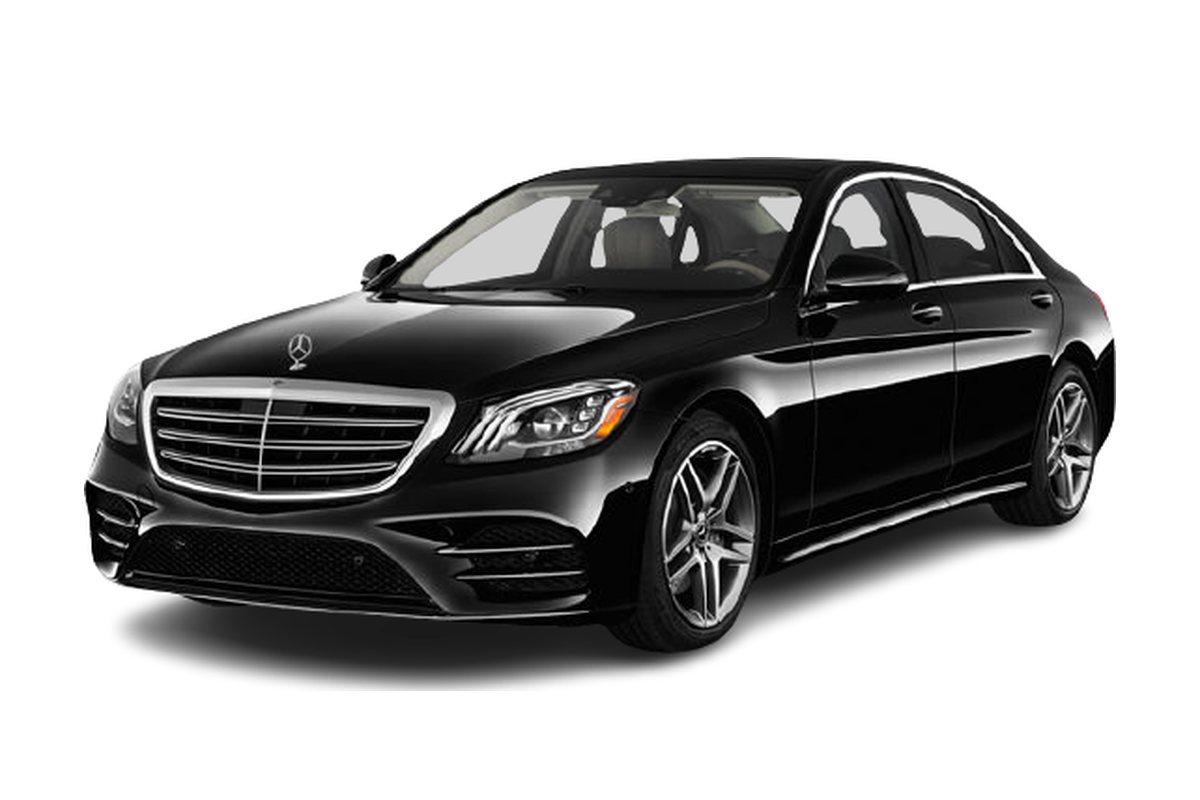
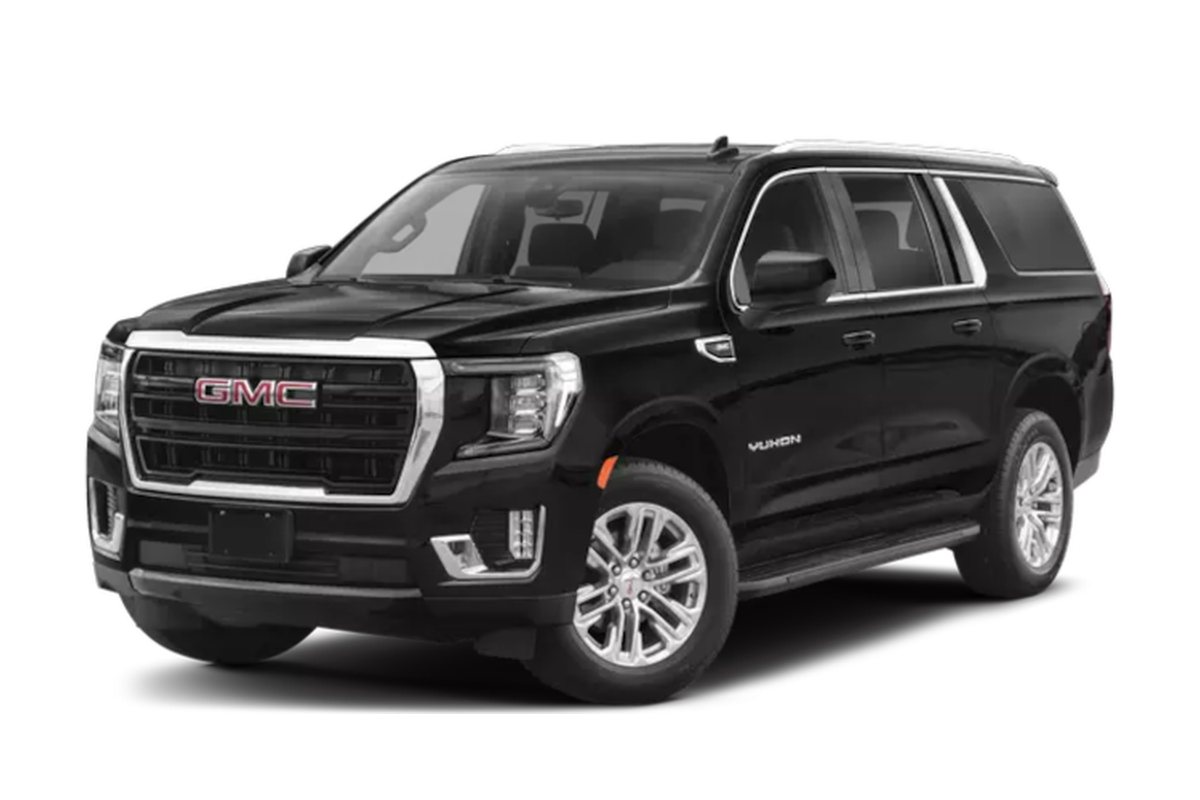
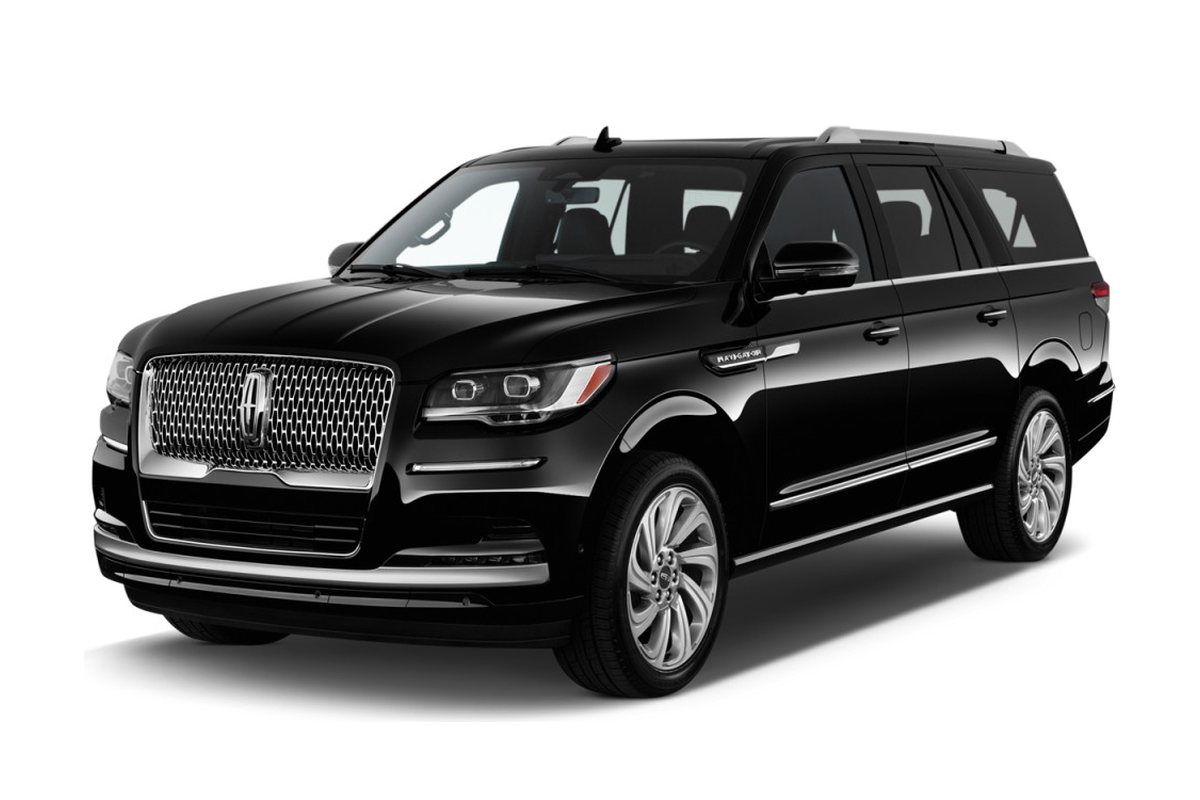
- 15–28 per loop: two Sprinters, or a Sprinter plus an executive SUV for the overflow.
- 30–36 per loop: a partner party bus, priced in writing, 4–5 hour minimum at $650–750 an hour. See party bus rental.
- 40–56 per loop, or a long drive such as Hamilton to Niagara-on-the-Lake: a partner coach, priced in writing.
Two smaller vehicles are often more flexible than one big one: one can leave with the early crowd at 10:30 pm while the other waits for the dancers.
Hotel pickups: where the shuttle actually stops
Hotels are the start and end of most loops. The shuttle needs a legal place to stand for ten minutes, which is not always the front door. A porte-cochère works; a busy downtown curb may not. Our hotel pages describe where cars and larger vehicles stop: downtown Hamilton hotels, Burlington hotels and Niagara-on-the-Lake hotels. Tell guests to wait in the lobby, not the parking lot, and give the hotel front desk the shuttle schedule.
The last run: set it, say it, stick to it
The most common shuttle failure is the vague last run. "The shuttle will take people back at the end of the night" leaves 20 guests on a winery lawn at 12:40 am while the chauffeur waits for the last dancers.
Set fixed departures instead: 10:30 pm, 11:30 pm and a last run at 12:30 am, for example. Print them on the table cards, have the DJ announce the last run 15 minutes ahead, and give one wedding party member the job of counting heads at the door. Late departures after the last run are the guests' own taxis, and you will be surprised how few there are when the times are clear.
A sample guest shuttle schedule
A 5:00 pm ceremony at a church in the lower city, reception at a venue in Ancaster 15–20 minutes away, 80 guests at two downtown hotels.
- 3:45, 4:15 and 4:40 pm Sprinter loops, hotels to church (three loops, 42 guests).
- 6:15 pm Church to Ancaster reception, two Sprinter trips; many guests drive themselves.
- Released 7:00 pm.
- 10:30 pm, 11:30 pm and 12:30 am Reception to the hotels.
Two blocks, roughly 3.5 hours and 3 hours: about $2,145–2,505 before HST for one Sprinter, or $27–31 per guest across 80 guests.
Out-of-town guests: from the airport to the hotel
Guests flying in the day before can be collected individually or in groups. Hamilton's airport is about 15 km and 20–25 minutes from downtown; Pearson is about 70 km and 45–65 minutes. A Sprinter from Pearson to downtown Hamilton is $675–825 one way, which for twelve guests on the same flight is cheaper than four separate sedans and keeps everyone together. See Toronto Pearson transfers and Hamilton airport transfers for flight tracking and included waiting.
For families spending the whole wedding weekend in town, an hourly private chauffeur for a few hours the day before covers the airport, the hotel check-in and the rehearsal in one booking.
Winery and rural venues
Niagara winery weddings are the strongest case for a shuttle. Niagara-on-the-Lake is about 70 km and 50–60 minutes from downtown Hamilton, taxis are few late at night, and guests have been tasting all afternoon. Many wineries listed by Wine Country Ontario restrict where buses may stand, so confirm the loading point with the venue. If guests stay in Niagara, the loops are short; if they return to Hamilton, plan a coach and one late departure. See Niagara-on-the-Lake for route notes.
Rules on board a wedding shuttle
Shuttles carry happy people at midnight, so the rules are set in advance:
- Open alcohol is not allowed in our vehicles; Ontario's liquor rules, administered by the AGCO, restrict open containers in vehicles. Drinks stay at the bar.
- Every guest rides in a seat; nobody stands in a moving Sprinter.
- Cleaning costs for sickness are documented and charged to the organiser.
- The Sprinter chauffeur holds the bus-class licence Ontario requires; see Ontario's bus driver's licence page.
Telling guests about the shuttle
A shuttle nobody knows about runs empty. Put the schedule in four places: the wedding website, a card in the hotel welcome bag, a sign at the reception exit and the DJ's announcements. Include the pickup point in plain words ("the covered entrance on the east side of the hotel"), the departure times, and a line saying the shuttle leaves on time. Ask guests to reply on the RSVP if they plan to ride; even a rough count tells you whether you need one Sprinter or two.
On the day, give the chauffeur the name of one guest per hotel who can round people up. The chauffeur does not go into the lobby calling names; a guest who knows everyone does it faster.
Welcome parties and the morning-after brunch
Wedding weekends often have two more events that benefit from a shuttle. A Friday welcome party at a restaurant on James Street North or Locke Street is an easy two-loop job from a downtown hotel. A Sunday brunch at a golf club or a winery is the one where guests are tired and least keen to drive. Each is a separate 3-hour minimum booking, so combine them only when the times line up.
Winter and bad-weather shuttles
In December to March, add 10 minutes to every loop for coats, boots and slower loading, and 10–20 minutes when snow is falling on the escarpment accesses. Check Ontario 511 before the late block. If the forecast is poor, move the last run 30 minutes earlier and tell guests at dinner.
Who pays for the wedding shuttle?
The couple, usually. Treat it as hospitality, like the bar. Some couples split it with the hotel block's host family. Per guest it is typically $15–40, often less than a single taxi from a rural venue. If budget is tight, keep the late-night block and drop the pre-ceremony one: guests can arrive at different times by car, but getting everyone home safely after the bar closes is the part that matters most.
Guests with mobility needs
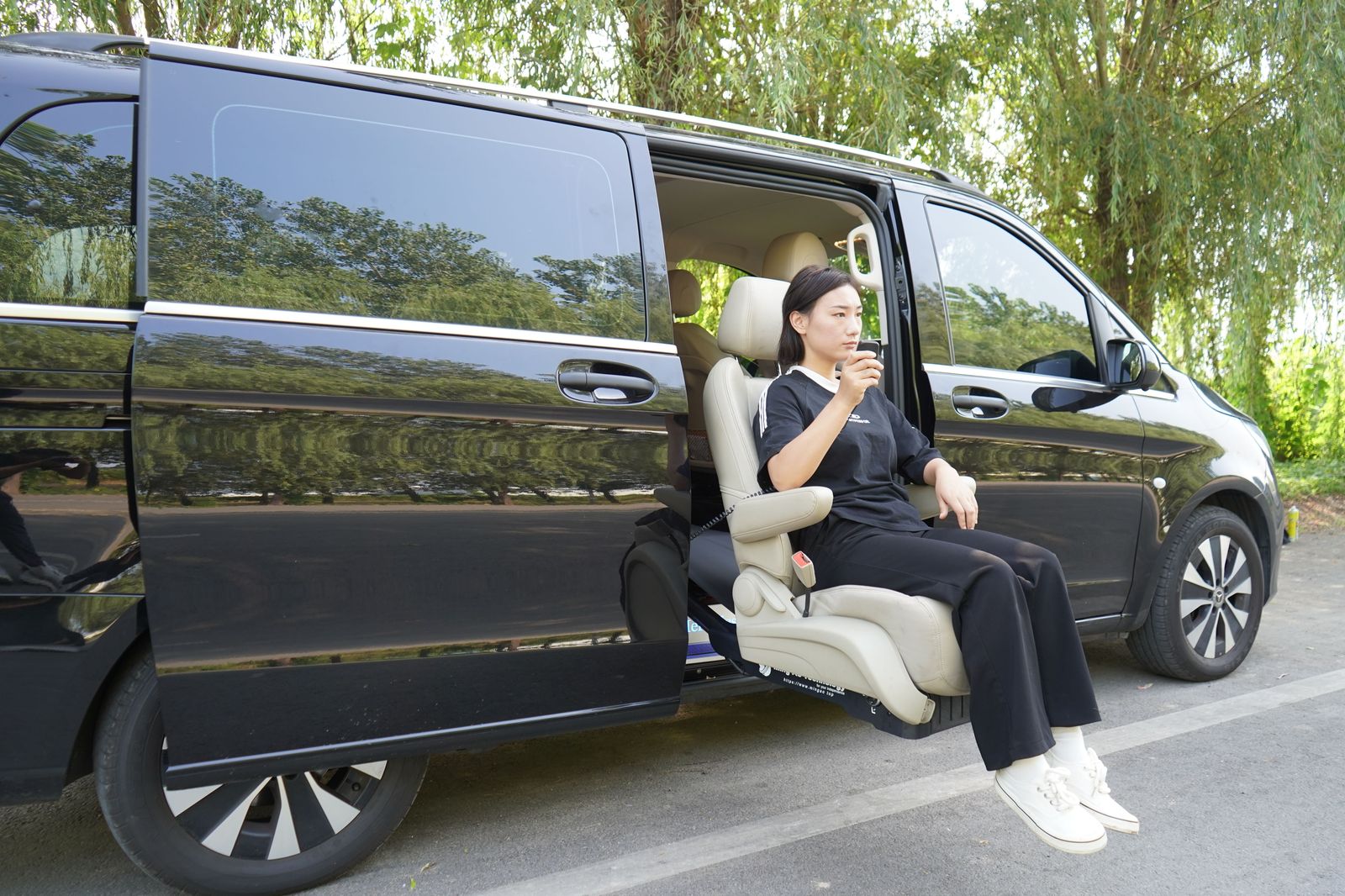
Sprinters have a step up. Guests who can manage one step with a hand are fine; grandparents who struggle are better in a sedan or luxury van timed with the shuttle. Our fleet has no ramp-equipped vehicles; for wheelchair users who cannot transfer, we coordinate with a specialist accessible provider. Tell the coordinator early.
Shuttle planning checklist
- Count guests who need rides for each window, not the whole list.
- Measure the drive at the right hour of day.
- Choose vehicles using the loop table above.
- Split the booking around dinner.
- Confirm the hotel and venue loading points.
- Print fixed departure times and announce the last run.
- Put the schedule in the same document as the wedding day timeline.
Book the shuttle direct with the rest of the day
Add the shuttle to your wedding plan on HamiltonLimo.net's own booking page. Own-fleet Sprinters price instantly in the reservation engine; party buses and coaches are priced in writing by a coordinator. One dispatch desk runs the couple's car, the wedding party and the shuttle. Cancellation is measured from scheduled pickup: more than 72 hours, no charge; 72 hours or less, 10 %; 48 hours or less, 50 %; 24 hours or less or a no-show, 100 %.