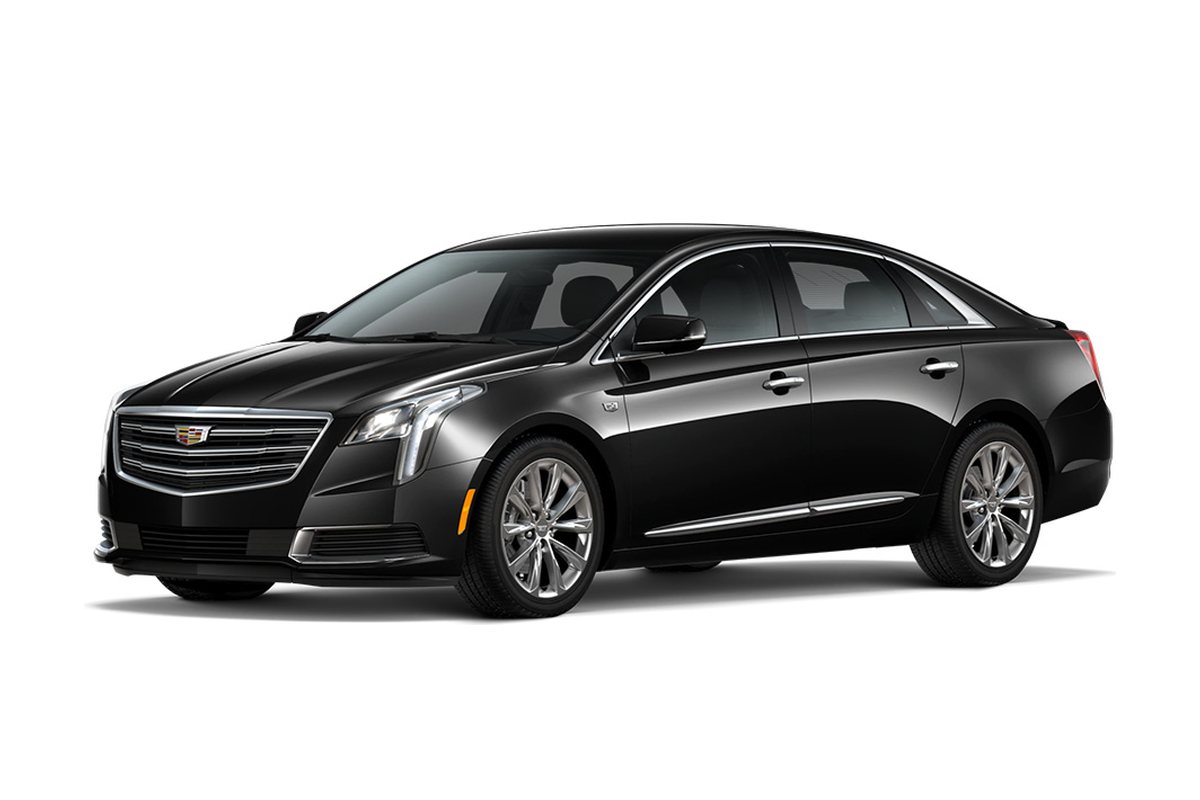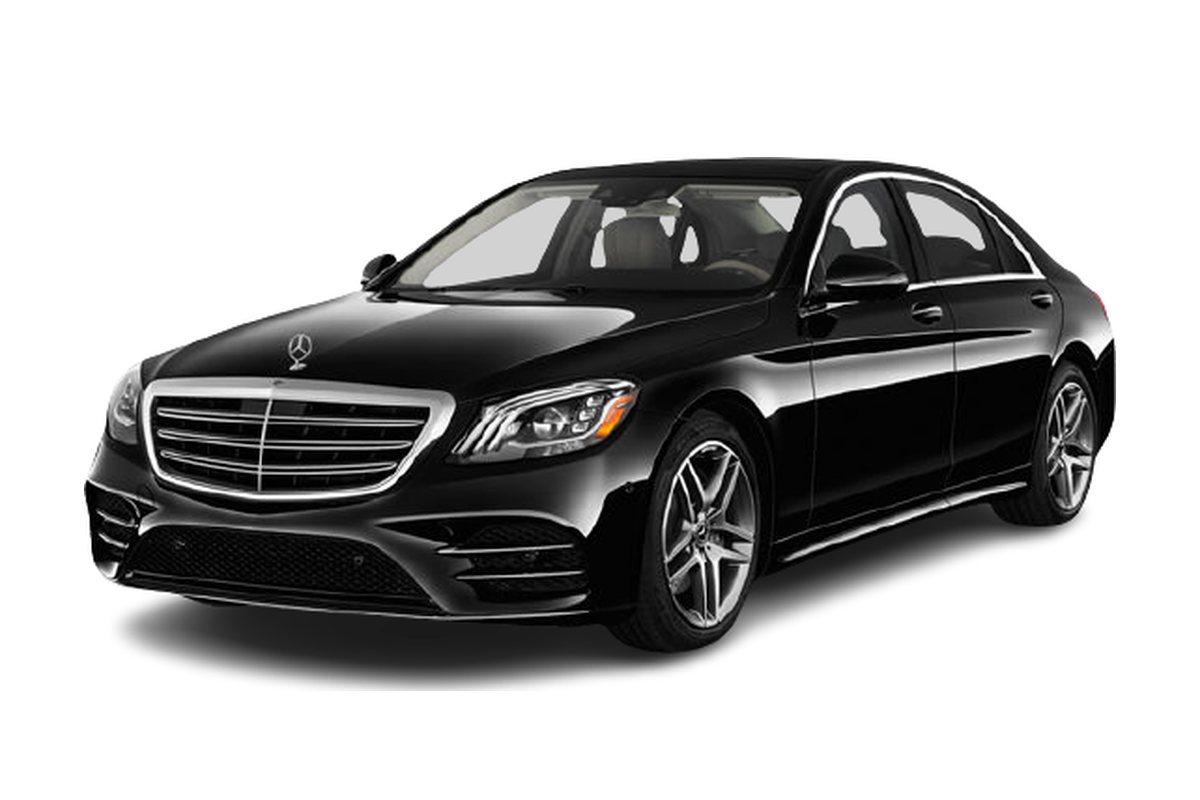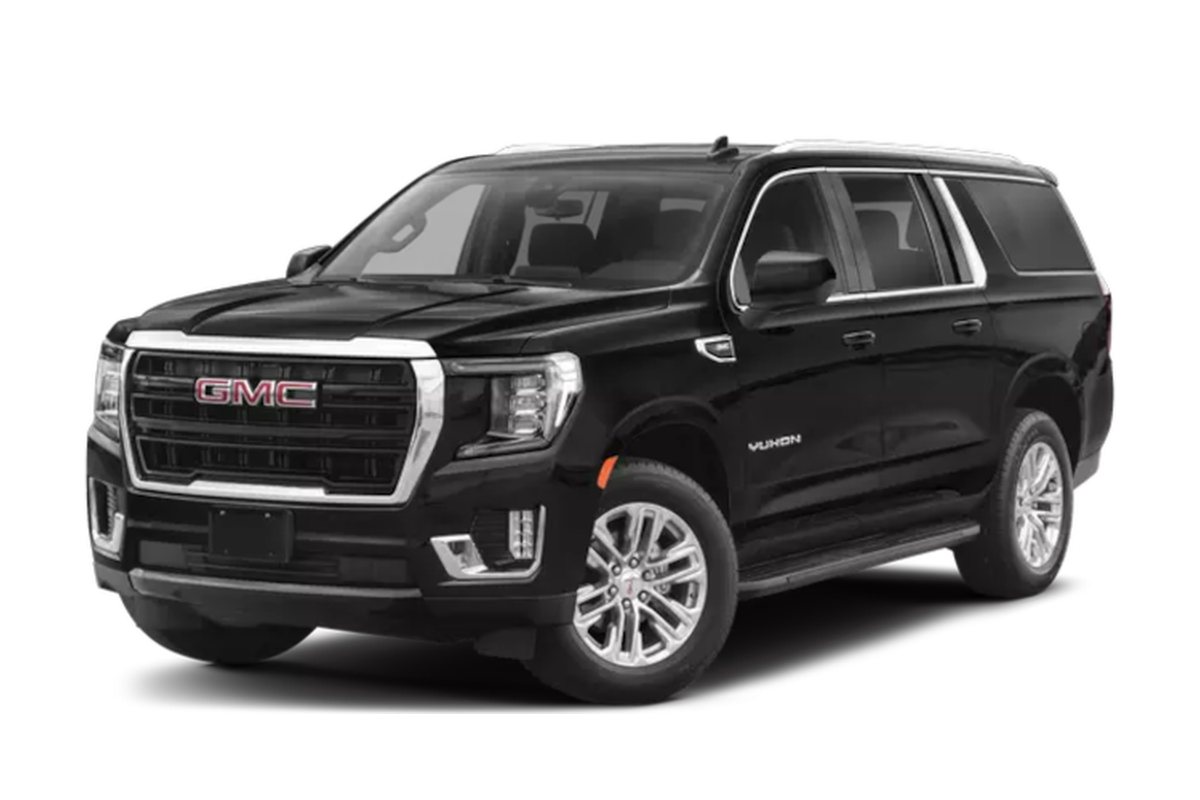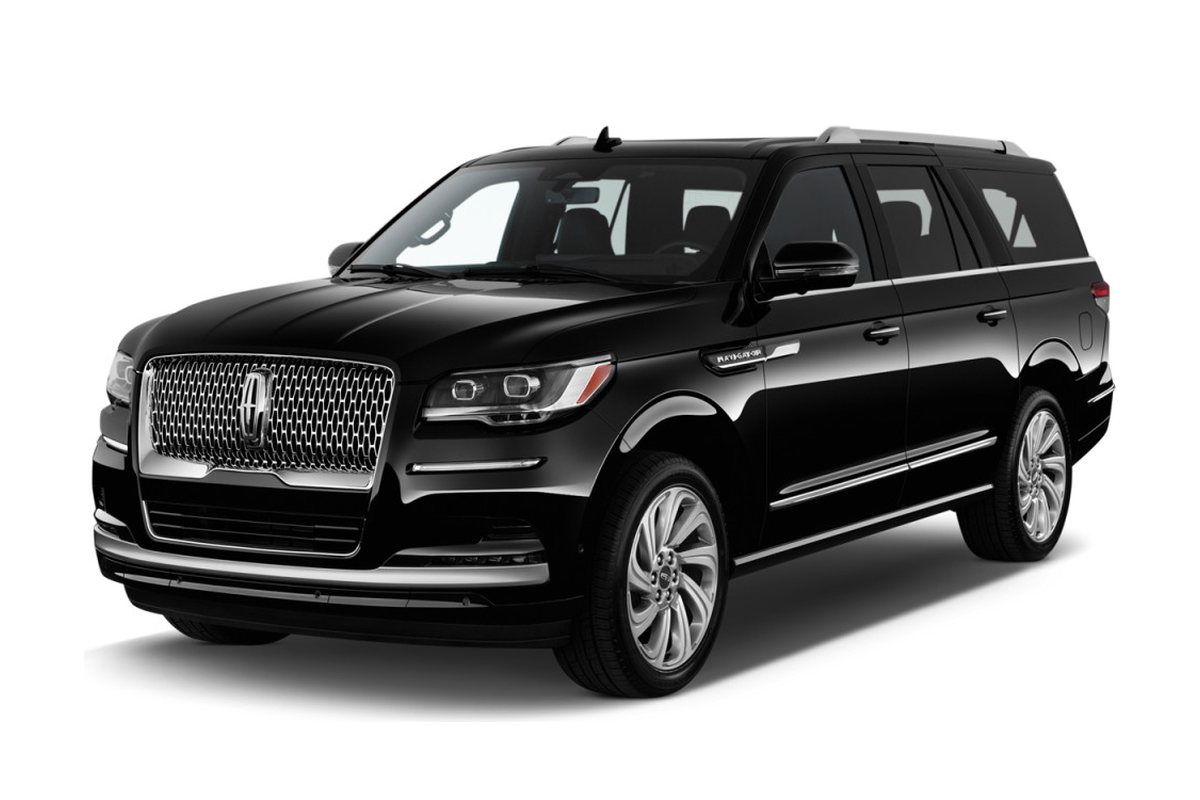

GO bus luggage on the Pearson run is manageable if you can lift your own bags. Highway coaches have an under-floor luggage compartment, and folded strollers must go in it on high-floor buses; double-decker buses allow strollers on the lower level. We could not verify a published size limit, so check gotransit.com. For heavy loads, a private sedan is $245-300 door to door.
GO bus luggage: the short version
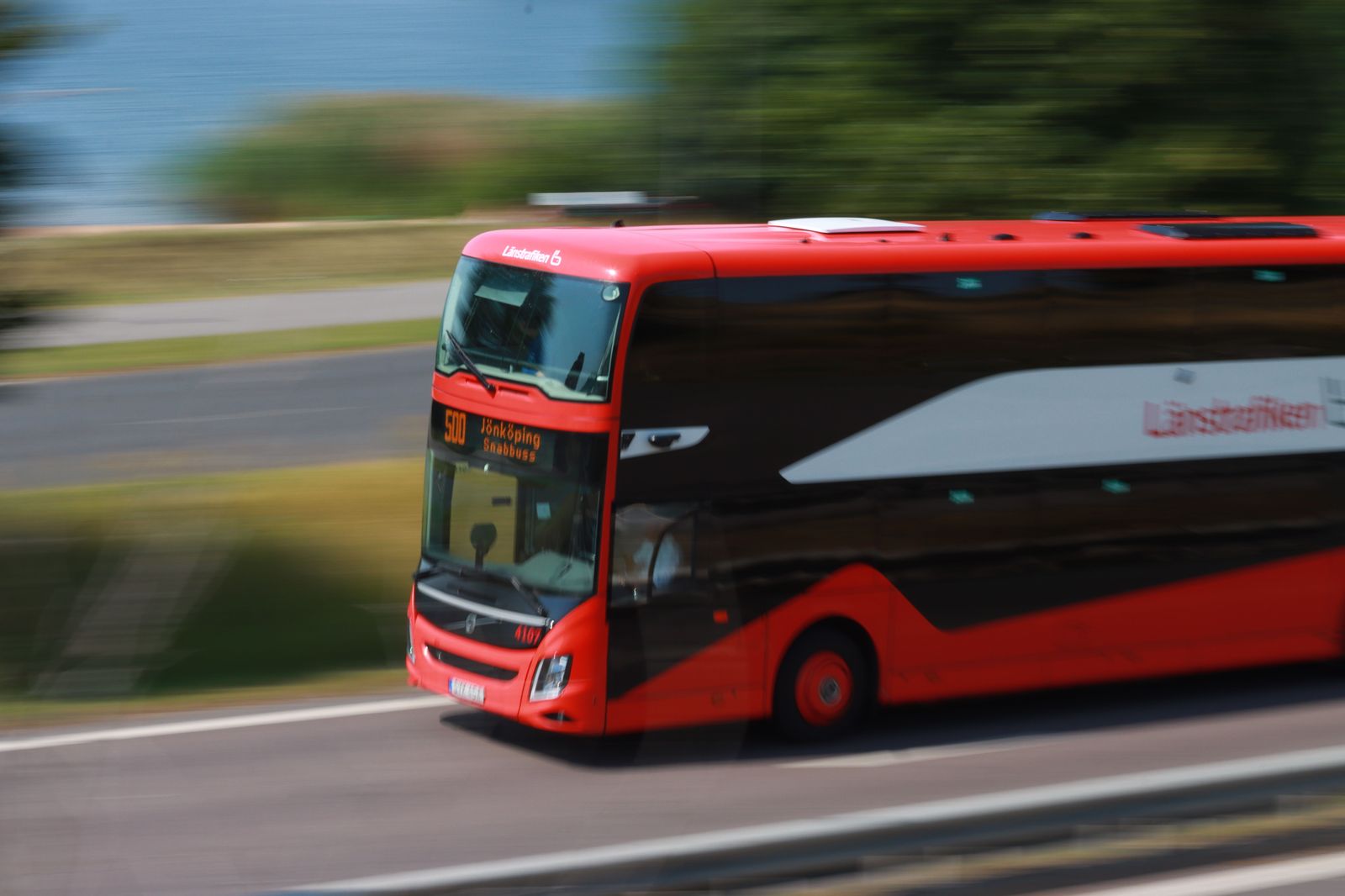
GO route 40 connects Hamilton GO Centre with Pearson Terminal 1, and our full GO bus vs limo comparison for Hamilton to Pearson covers stops, timetable and price. This post zooms in on one question travellers keep asking: what actually happens to your suitcases?
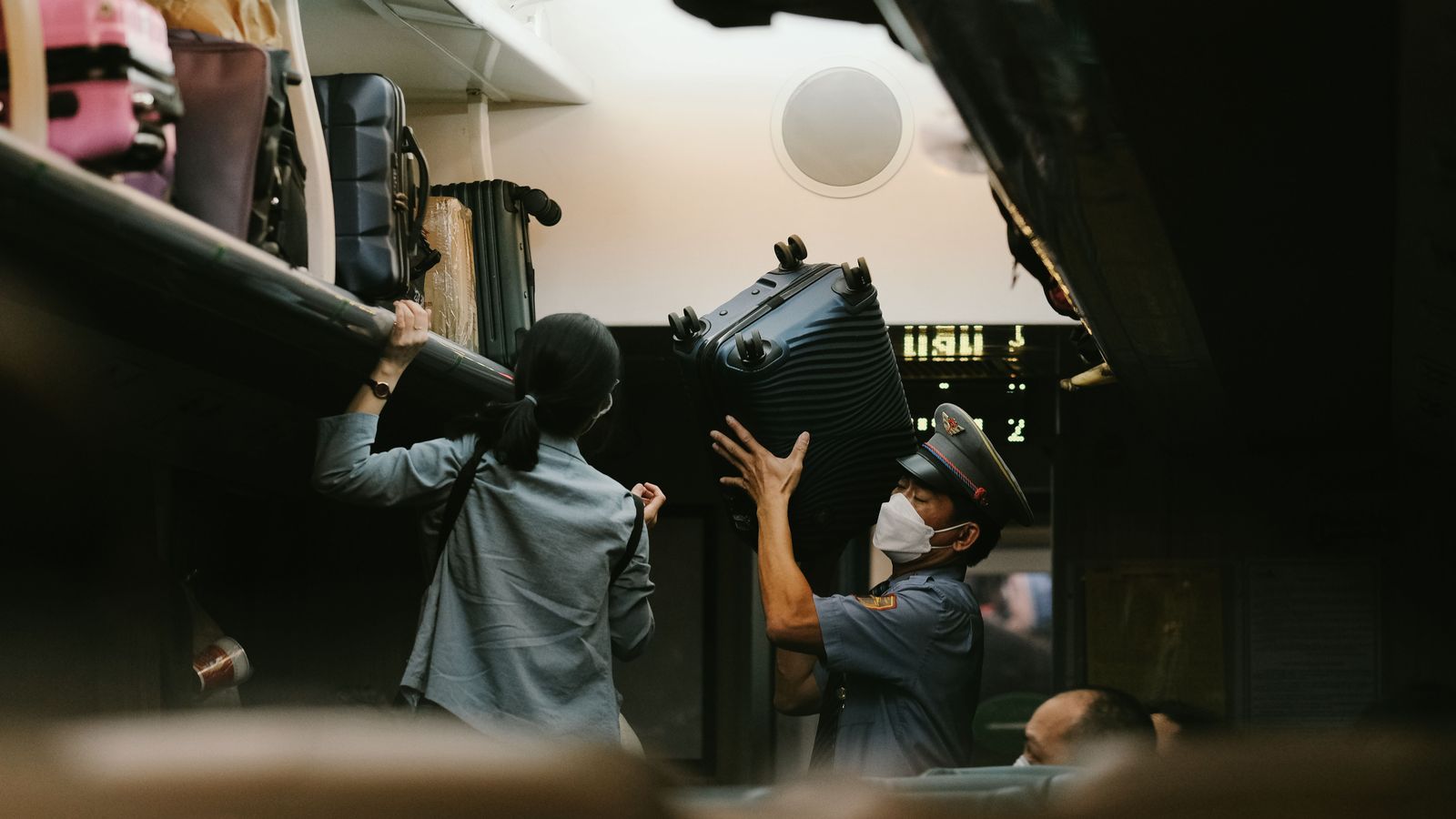
The honest summary is that the bus handles normal airport luggage, but you are the porter. You lift the bags into the compartment or onto the bus, you lift them out at the other end, and you move them across the terminal or through downtown Hamilton. That is fine for a backpacker with one case. It is hard work for a family with four cases, a car seat and a stroller.
What GO says about strollers and the luggage compartment
GO Transit publishes its rules for travelling with a stroller. On high-floor highway buses, strollers must be folded and placed in the luggage compartment before boarding. On double-decker buses, strollers are welcome on the lower level and children can stay in them. GO also states that it is not responsible for items lost, stolen or damaged in the luggage compartment and recommends keeping valuables with you.
That tells you how the vehicles work. Coaches load large items below; double-deckers keep more inside. Which vehicle turns up on a given trip is not something you choose, so plan for either.
Bag by bag: what fits and where
- Backpack or laptop bag: stays with you on your lap or at your feet.
- Carry-on roller: usually on board if space allows, or below on a coach.
- Large checked suitcase: in the luggage compartment on a coach; on a double-decker, wherever space allows without blocking the aisle.
- Folded stroller: compartment on high-floor coaches; lower level on double-deckers.
- Golf bag, ski bag, bike box: check with GO before travelling. Bulky sports gear is where the bus becomes uncertain.
- Car seat: carried by you; nothing is installed for you on a bus.
For current rules, the best source is GO Transit itself. We do not print limits we cannot verify.
The Terminal 1 problem for Terminal 3 flyers
Route 40 stops at Pearson Terminal 1. If your airline uses Terminal 3, you add a ride on the airport's Terminal Link train. With two large cases that means: bags off the bus, onto a cart if you can find one, to the train, off the train, to check-in. None of it is difficult, but each handover adds time and effort. Toronto Pearson publishes terminal maps and Terminal Link details. A private car stops at your own terminal's curb, which is often the deciding factor for Terminal 3 families.
Arriving at Pearson: bus stop to aircraft with bags
On the outbound trip, the drill is:
- Retrieve your bags from the compartment yourself before the bus pulls away.
- Find a luggage cart inside the terminal.
- Walk to your airline's bag drop.
- If you are at Terminal 3, take the Terminal Link first.
Give yourself extra time for steps 1 to 3 on a busy morning. Travellers who arrive with little margin are the ones who find the bus stressful.

Coming home: Pearson to Hamilton with bags
On the return you collect bags from the carousel, clear customs if international, and walk to the GO bus stop at Terminal 1. Then you wait for the next scheduled trip, which you should check on GO's schedules page before you fly. When the bus arrives at Hamilton GO Centre downtown, you are still not home. You need an HSR bus, a taxi or a ride with those same bags. After a long-haul flight that last leg is where most people wish they had booked a car.
The downtown Hamilton last mile with suitcases
Hamilton GO Centre is on Hunter Street in the lower city. If you live downtown or near James Street, a short taxi or even a walk may work. If you live on the Mountain, in Ancaster, Dundas, Stoney Creek or Waterdown, you need a second vehicle. A car within Hamilton is $75-100 as a planning range, all-in plus HST. The Hamilton Street Railway runs local buses, and luggage within reason is normal on them, but a crowded rush-hour bus with a large case is not pleasant for anyone.
Families and groups: the luggage count adds up
Luggage scales with people. A couple has two to four bags. A family of four returning from a week south often has four large cases, four carry-ons, a stroller and a car seat. On the bus, every one of those items is lifted at least four times: onto the bus, off it, into the local ride, and into the house. In a private car the chauffeur loads everything at the airport curb and unloads at your door.
| Traveller | Typical luggage | GO bus practical? | Private car, planning fare |
|---|---|---|---|
| Solo, carry-on | 1 roller, 1 bag | Yes, easy | Sedan $245-300 |
| Couple, checked bags | 2 large, 2 small | Yes, with some lifting | Sedan $245-300 |
| Family of 4 with toddler | 4 large, stroller, car seat | Hard work | SUV $405-495 |
| Golf trip, 4 players | 4 golf bags, 4 cases | Uncertain; check GO | SUV or Sprinter |
| Student moving in | 2 large cases, 1 box | Possible, then HSR | Sedan $245-300 |
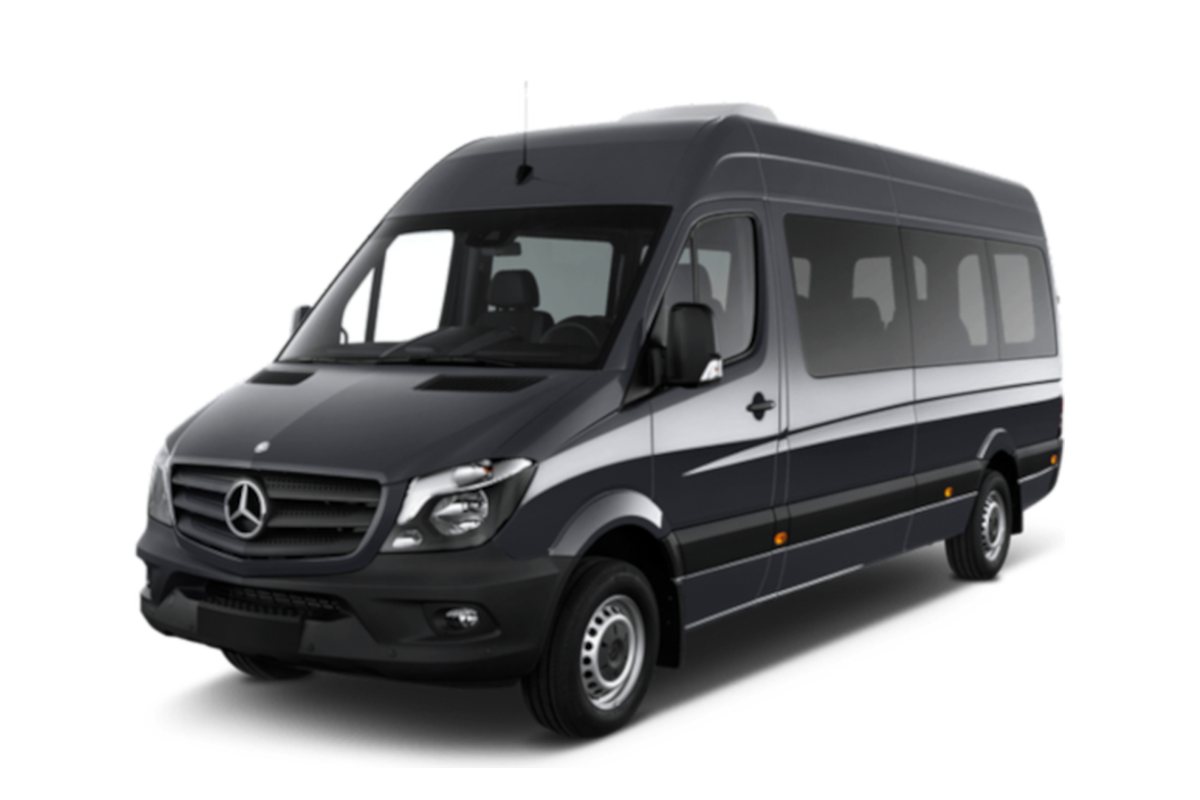
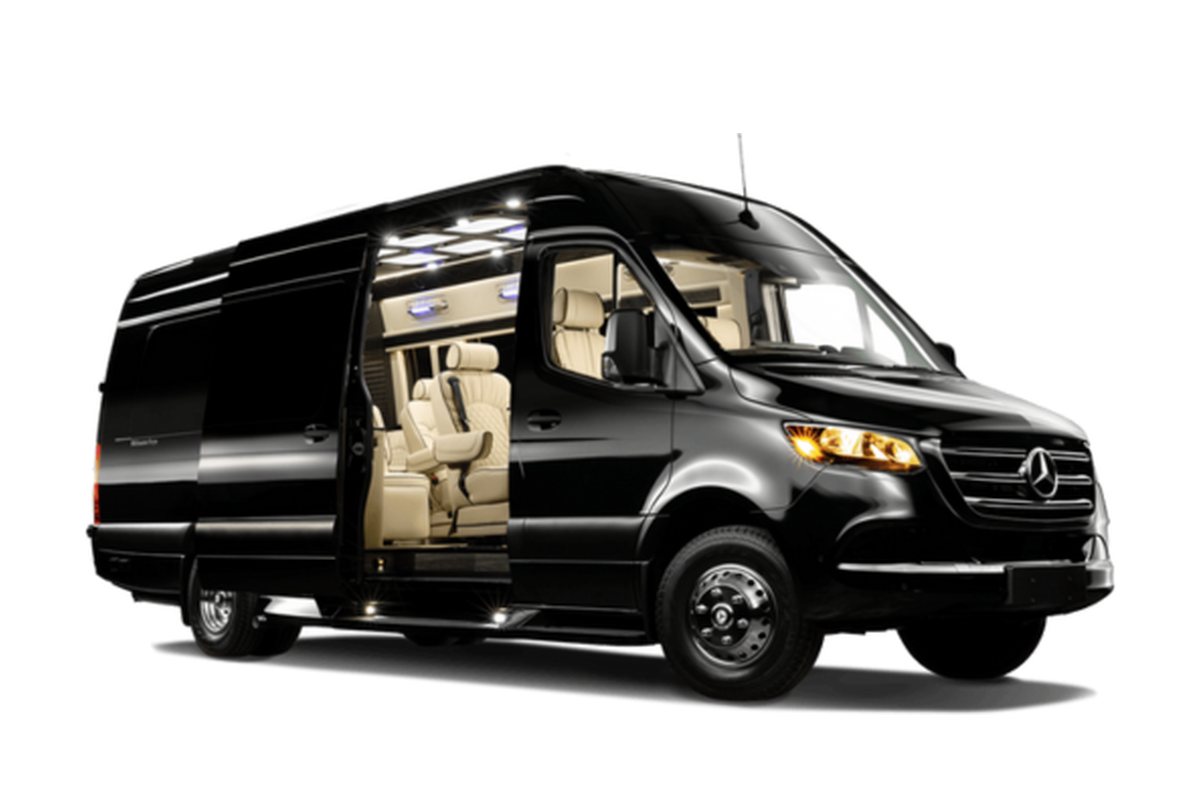
Car fares are one way from downtown Hamilton to Pearson, about 70 km and 45-65 minutes, all-in with HST shown separately. A Sprinter for up to 14 people is about 2.75 times the sedan fare.
Sports gear, instruments and oversized items
Hockey bags, golf clubs, ski bags, a cello or a bike box are exactly the items that make the bus unpredictable. Space below a coach is shared with everyone else's suitcases, and a full compartment on a busy weekend may not have room. If your trip revolves around a bulky item, confirm with GO before you go or book a vehicle. In a car you list the item at booking; an executive SUV takes golf bags easily, and a Sprinter handles a team's equipment.
Valuables, fragile items and documents
Whatever you ride, keep passports, medication, laptops, jewellery and chargers in the bag that stays with you. On the bus that means your lap or your feet, since GO itself advises keeping valuables out of the compartment. In our cars the trunk is locked and in the chauffeur's sight the whole time, but the same habit still makes sense on travel days.
Weather days: bags and waiting outside
Winter adds a layer. Waiting at a bus stop with luggage in freezing rain, then lifting wet cases into a compartment, is where the bus earns its low price. A pre-booked car is timed to your actual landing and meets you at the terminal's commercial pickup area. Included waiting is 30 minutes on Canadian domestic and US flights and 60 minutes on other international arrivals, from actual landing. Check Ontario 511 for road conditions on the 403 and QEW before any winter trip.
A split plan: bus out, car home
Luggage often decides one direction but not the other. A common pattern is taking the bus to Pearson with light bags and booking a car home, when you are tired and carrying more after shopping or a long trip. Another is the reverse: a car out for an early flight with the whole family, and the bus home for one parent returning alone. You pay for the car only where it helps. Our guide to the cheapest way from Hamilton to Pearson lays out the full cost of each combination.
When the car is simply easier
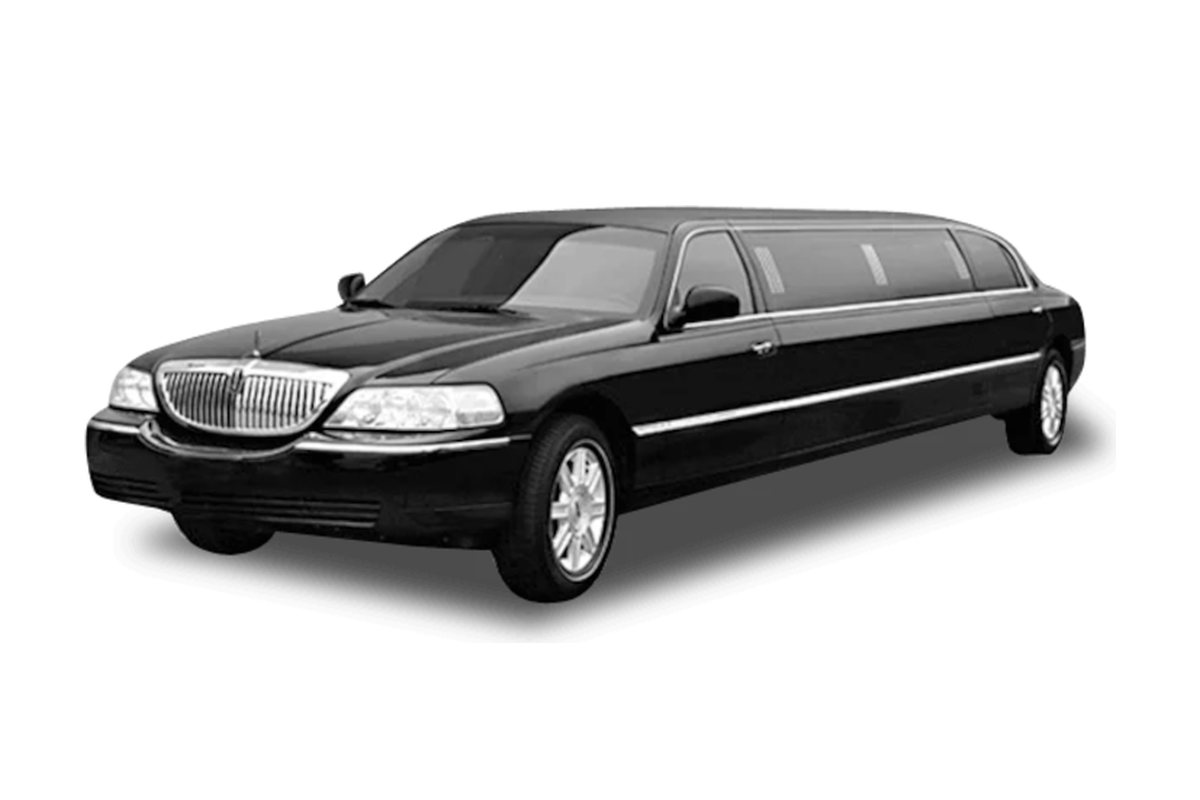
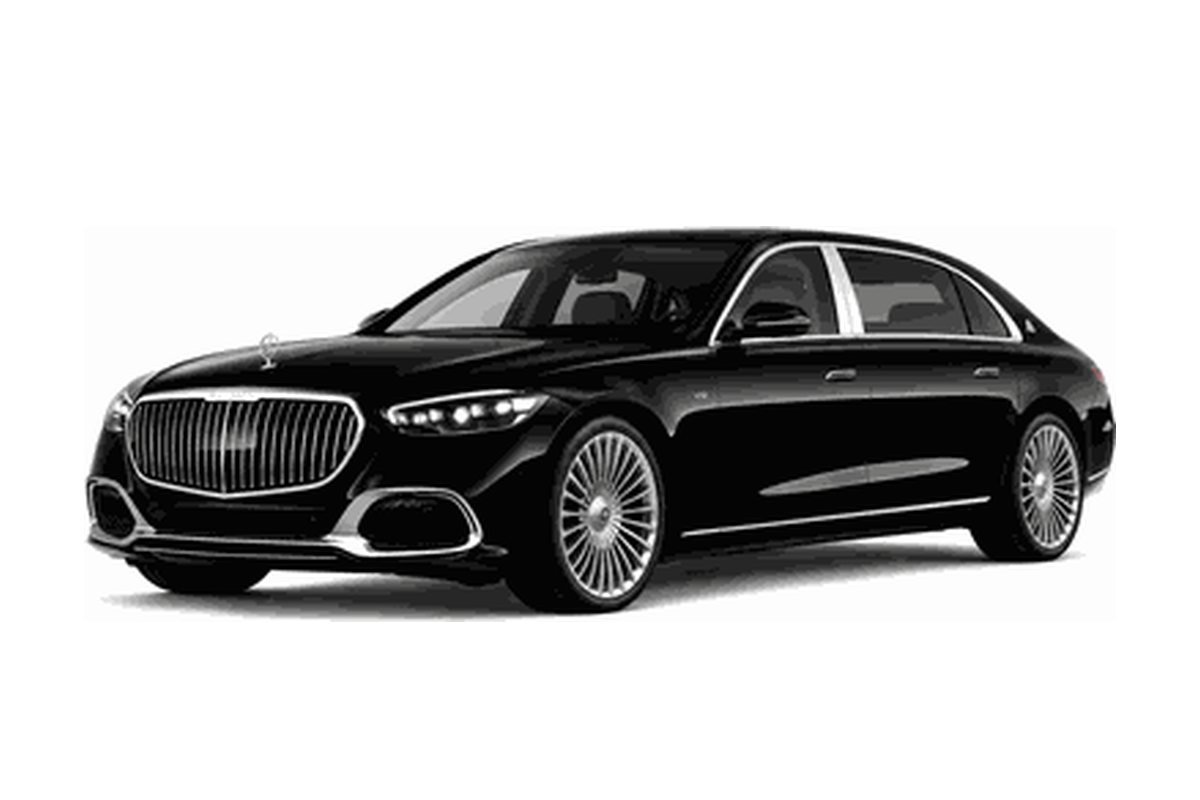
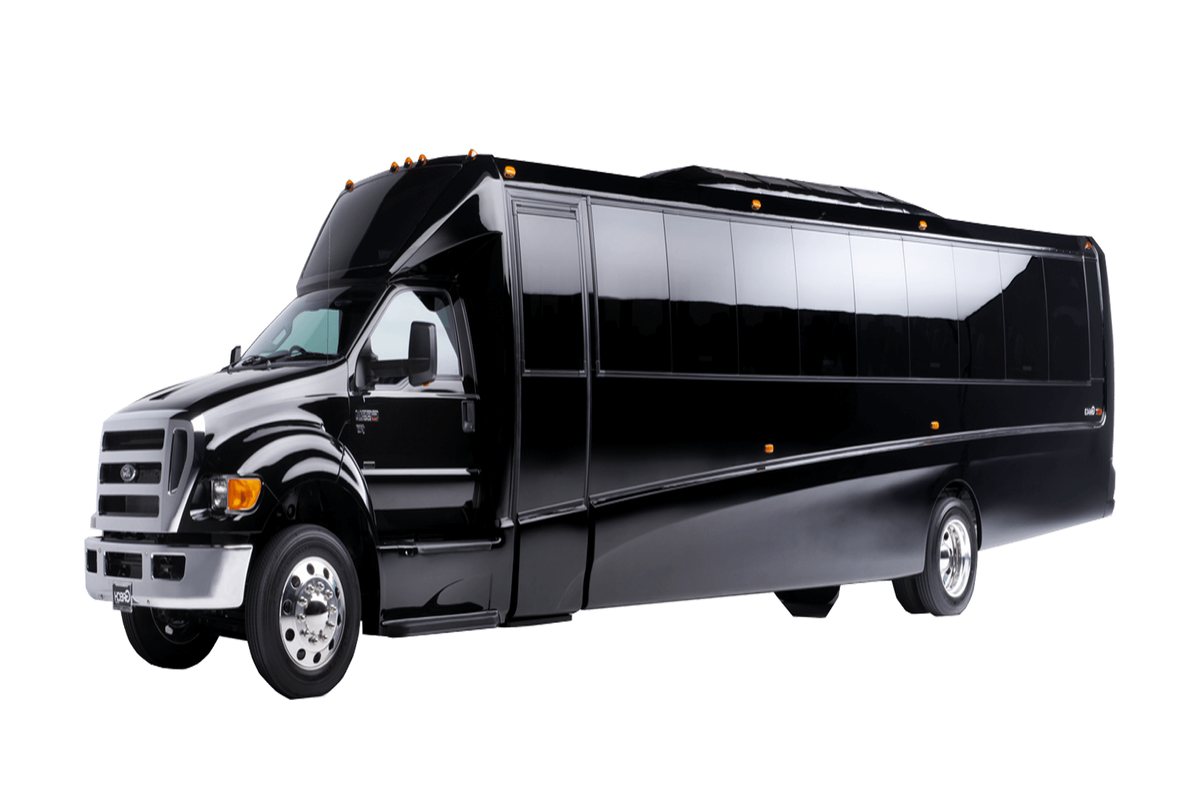
A private car wins on luggage when any of these apply: more than one large bag per person, a stroller and car seat, sports gear, a Terminal 3 flight, a late landing, or a home address far from Hamilton GO Centre. The chauffeur loads and unloads everything, the fare is fixed before you confirm, and there is no second vehicle for the last mile. Our Hamilton to Pearson limo page lists vehicle capacities, and airport limo service explains every airport we serve.
Visitors staying in hotels
Visitors often face the luggage question in reverse: they land at Pearson with a week of bags and need to reach a hotel in Hamilton or Burlington. The bus leaves them downtown with those bags and a hotel still to find. A car drops them at the lobby door. Our pages on downtown Hamilton hotels and Burlington hotels explain where cars stop at each property, and concierges can book a return run for departing guests.
Hourly option for busy travel days
Some trips mix the airport with errands. Someone collecting a relative with luggage at Pearson, then stopping at a Mississauga office and a Burlington storage unit, needs a car that waits. An hourly chauffeur keeps one car and one chauffeur for a 3-hour minimum; a business sedan is $120-145 per hour and a 4-hour booking is $480-580, all-in plus HST. The bags stay in the trunk between stops.
Students and the end-of-term luggage run
McMaster and Mohawk students heading home in April or December are some of the heaviest bus users, and some of the most loaded. Two large cases, a laundry bag and a backpack on route 40 is doable for a fit twenty-year-old with time to spare. It gets harder when the first leg is an HSR bus from Westdale or the Mountain to Hamilton GO Centre. Two or three students flying out of the same Pearson terminal on the same morning can split a sedan or SUV, which often lands close to the bus fare each once the local bus is counted. Our post on Pearson to McMaster covers the arrival direction.
Booking the car direct
If luggage tips the decision, book on HamiltonLimo.net's own reservation engine. Enter your address, flight number and the number of large bags, carry-ons and oversized items. Dispatch matches the vehicle to the luggage, not only the passengers. You see the fixed all-in fare with HST shown separately before confirming. Cancellation is free more than 72 hours before pickup; after that the sitewide scale applies.