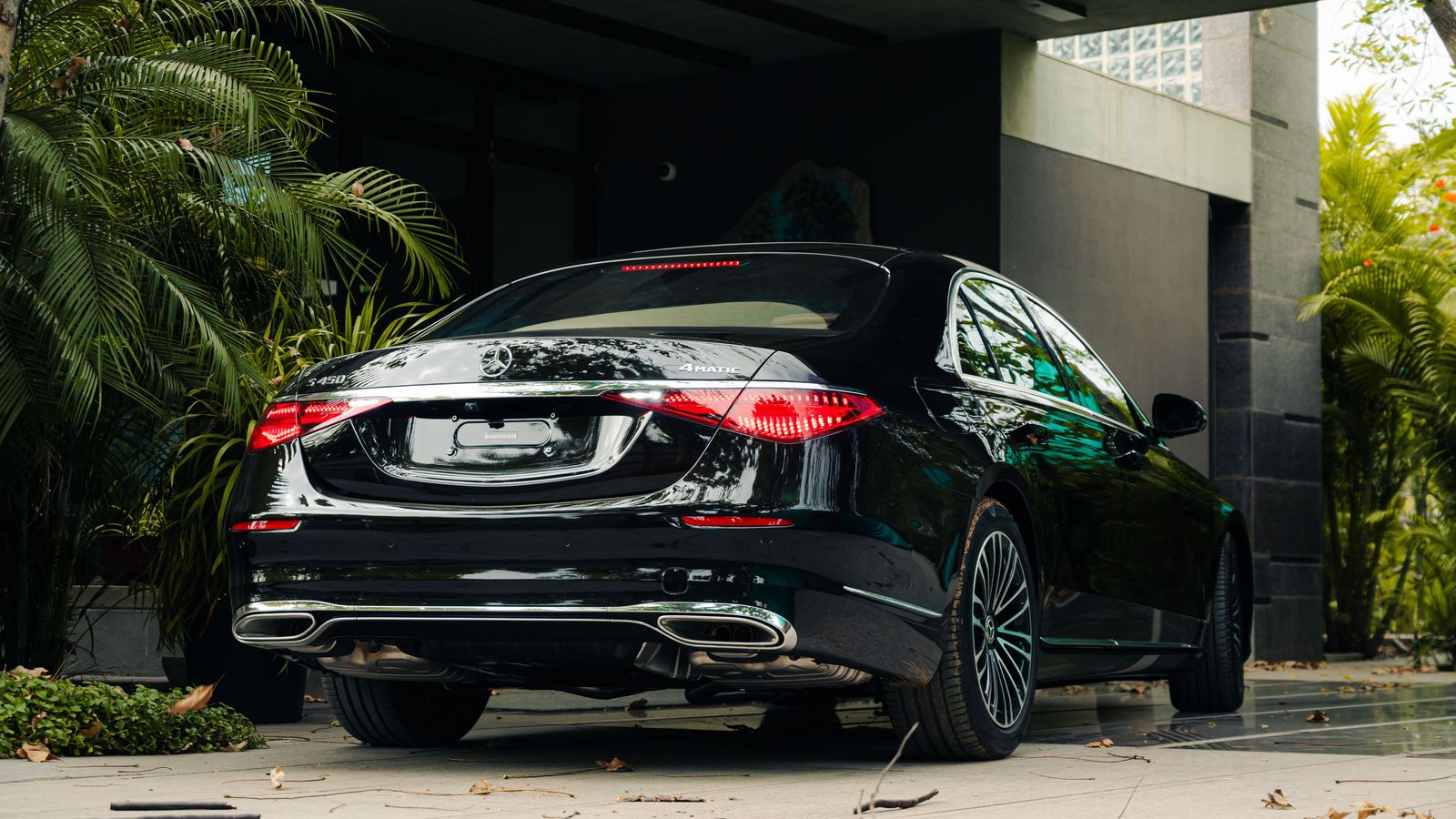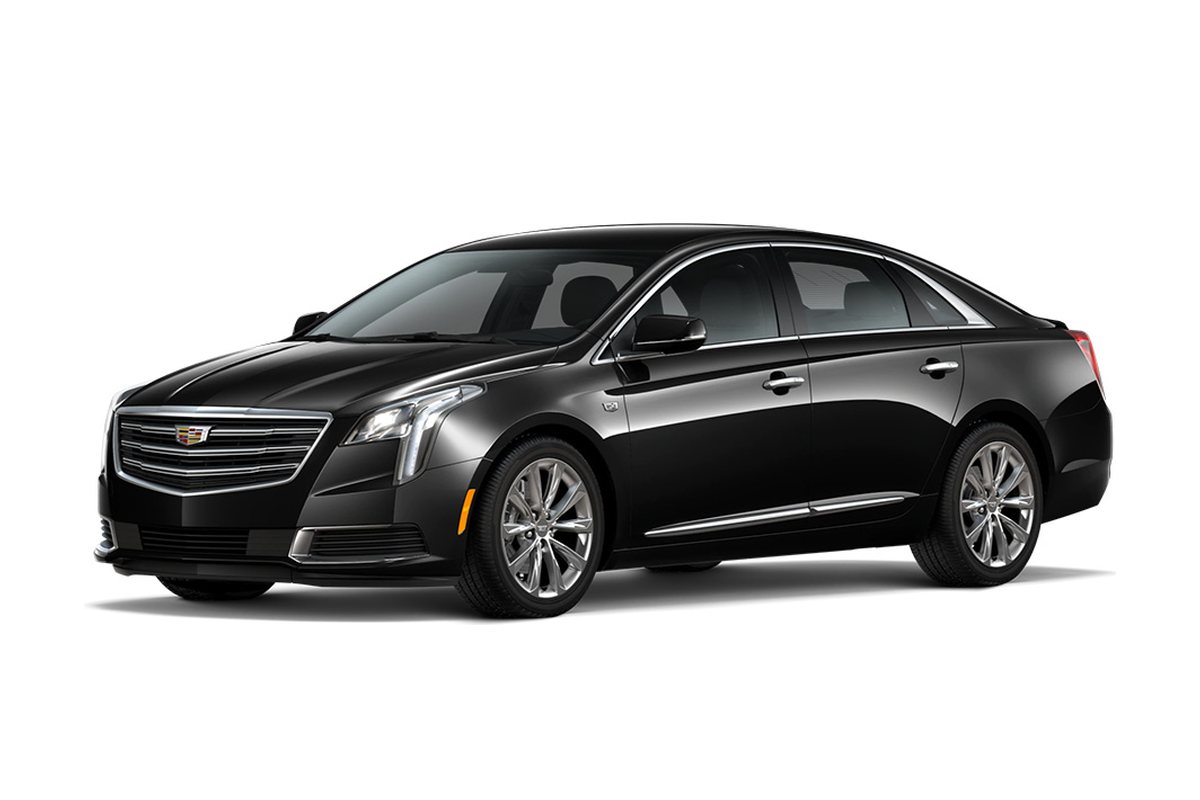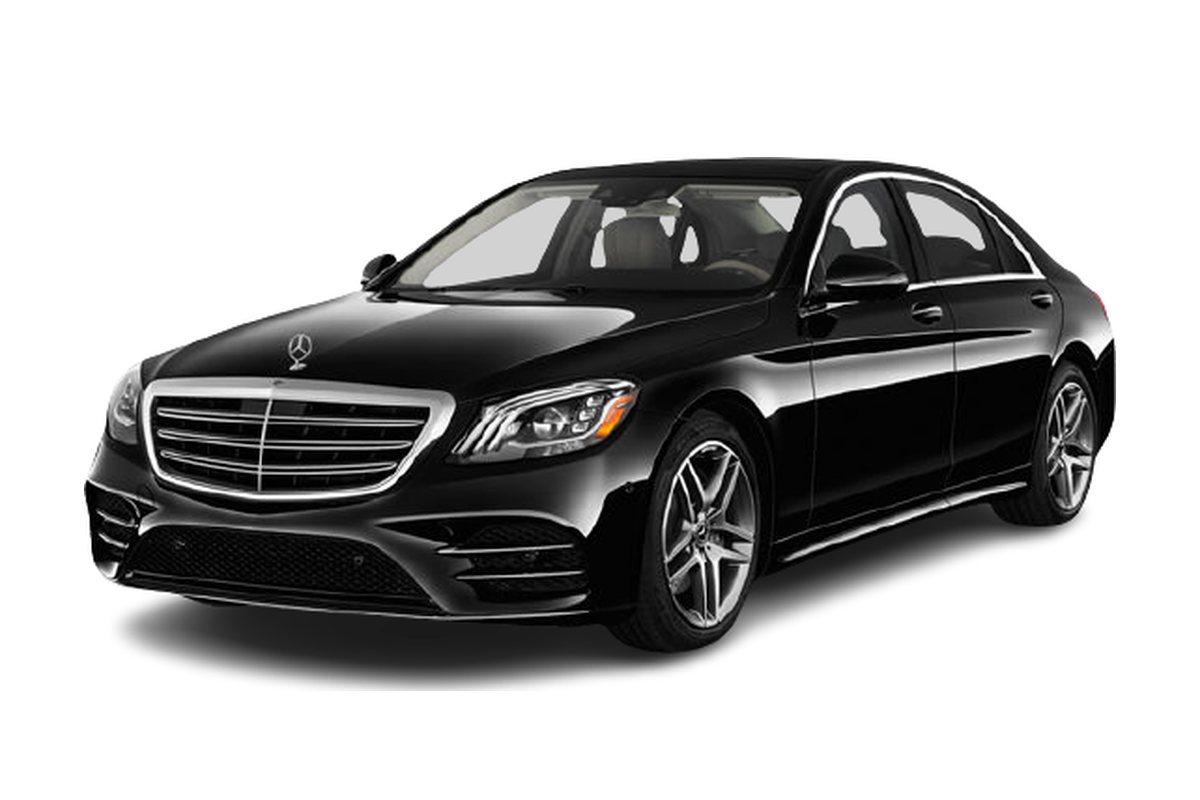
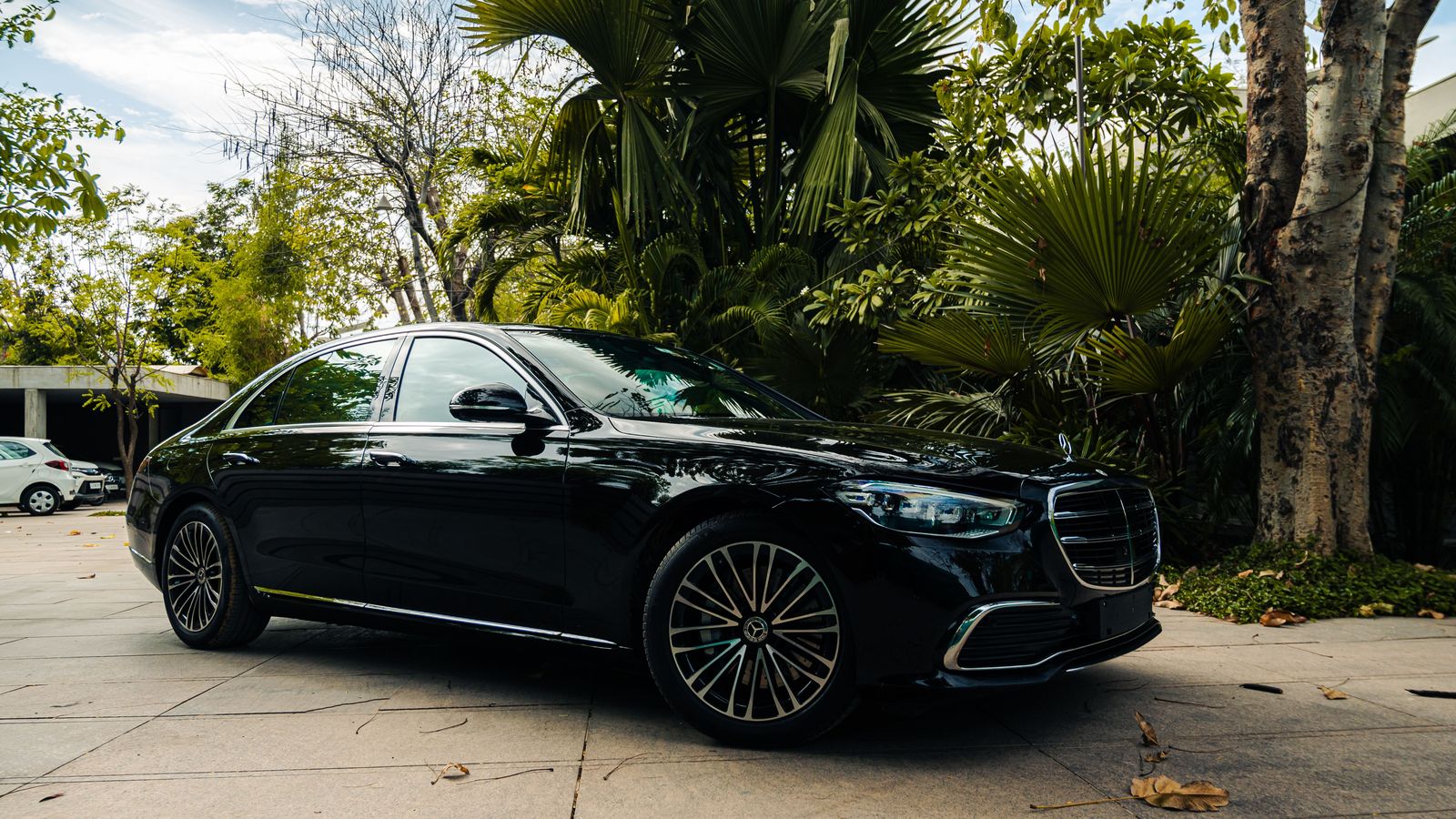
The cheapest way to get to Pearson airport from Hamilton is GO Transit's route 40 bus from Hamilton GO Centre to Terminal 1, paid at the transit fare. For one light traveller nothing beats it. For three or more people with checked bags, a shared private sedan at $245–300 all-in (about 70 km, 45–65 min) comes to about $82–100 a head, door to door: more than the bus, but with no rides to and from the stop and no transfers with luggage.
What is the cheapest way to get to Pearson airport from Hamilton?
For a single person with a backpack, the answer is the GO bus, and it is not close. Our GO bus versus limo comparison sets out that route stop by stop. This post answers a slightly different question: once you add up every leg and every traveller, which option is cheapest for your trip? The honest ranking changes with three numbers — how many people are travelling, how many bags must be carried by hand, and what time the flight leaves or lands. Below we rank seven options, show the hidden costs each one carries, and give worked examples for a student, a couple, a family of five and a solo executive. We run private cars, so we have an interest; the ranking is still built to be quoted fairly.
The seven options, ranked for one traveller
Cheapest to most expensive for a solo traveller with one suitcase, leaving from central Hamilton at midday:
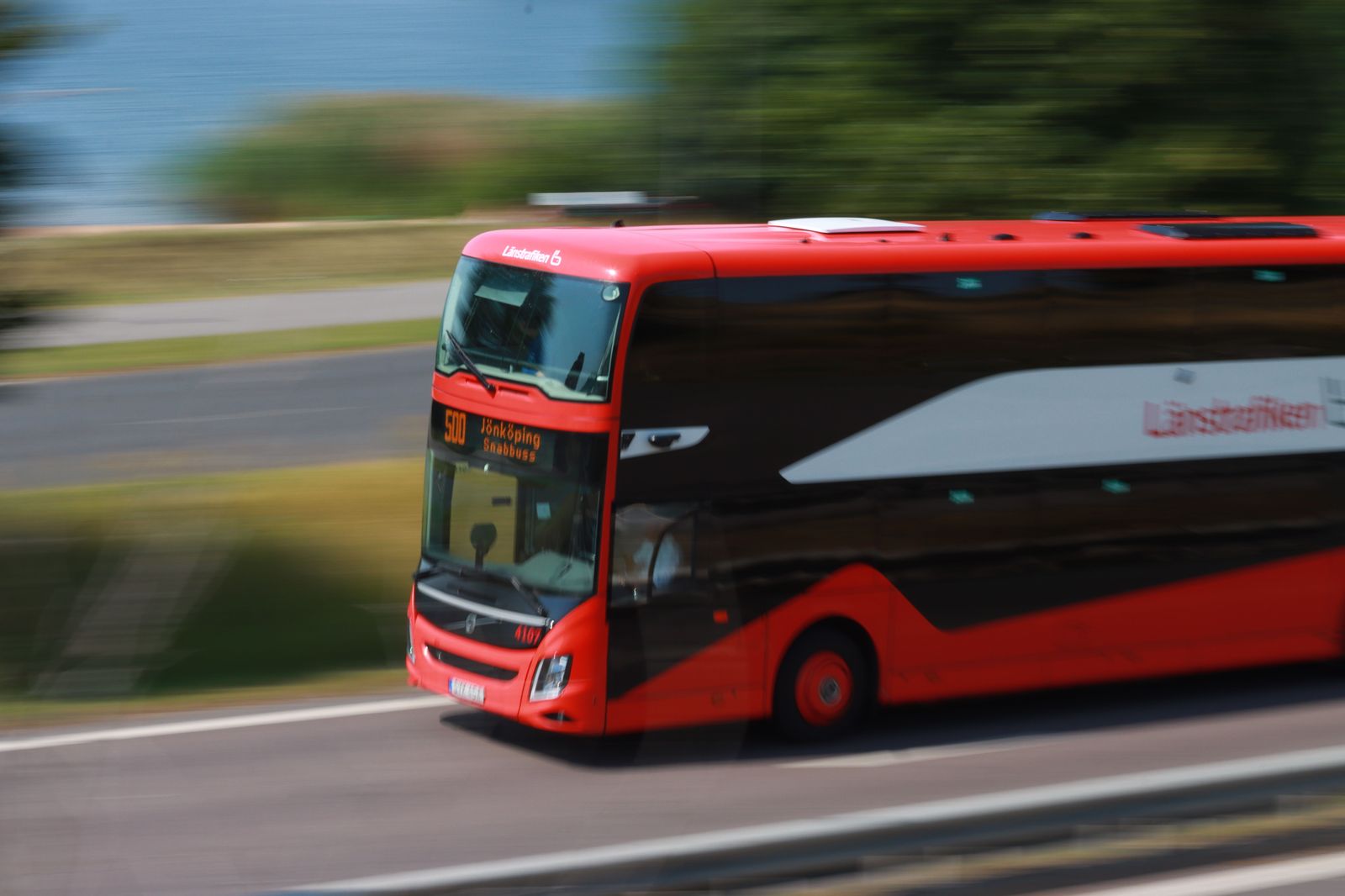
- GO bus route 40, Hamilton GO Centre to Pearson Terminal 1. One transit fare, paid with PRESTO or the other methods GO accepts.
- A lift from a friend or relative. Free for you, about 140 km of round-trip driving and two hours of their day for them.
- GO train to Union, then UP Express. Two fares, a change at Union Station, and a longer trip overall.
- Driving yourself and parking for a short trip of one or two nights.
- A rideshare app. A price shown when you request, which moves with demand.
- A metered or quoted taxi. Similar territory to rideshare on a clear road.
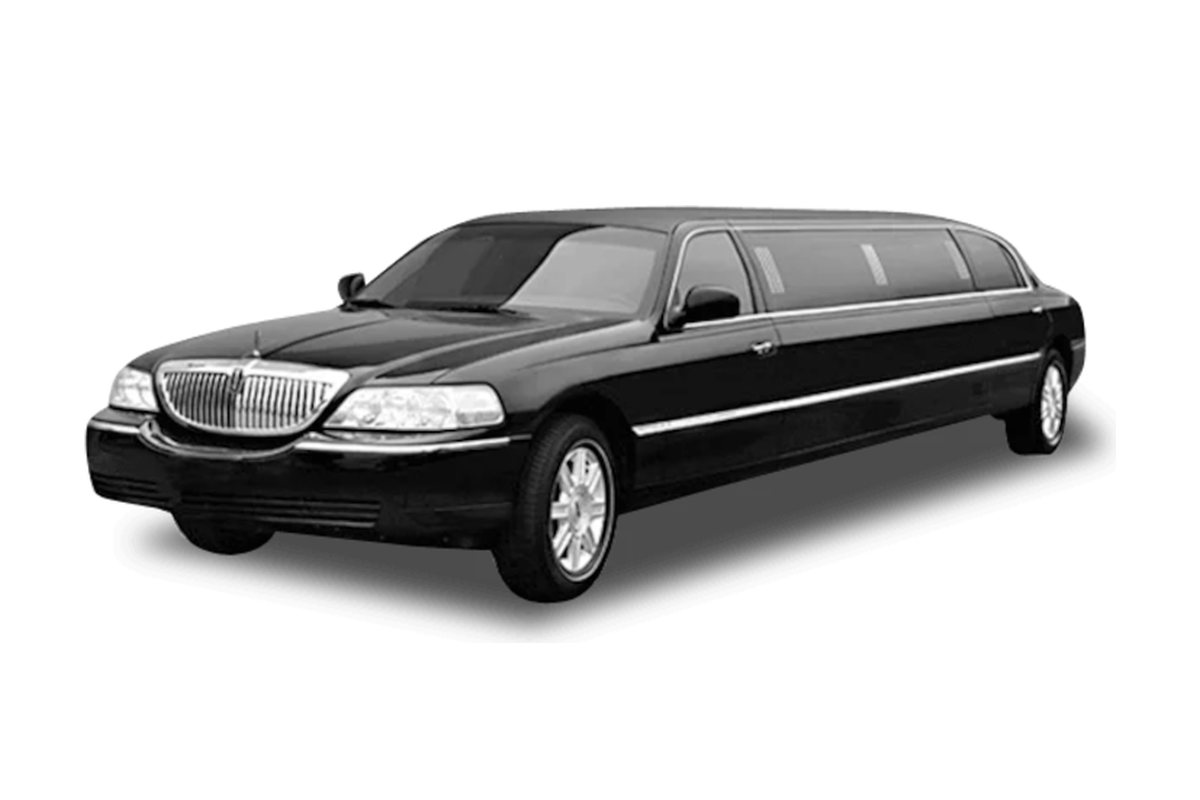
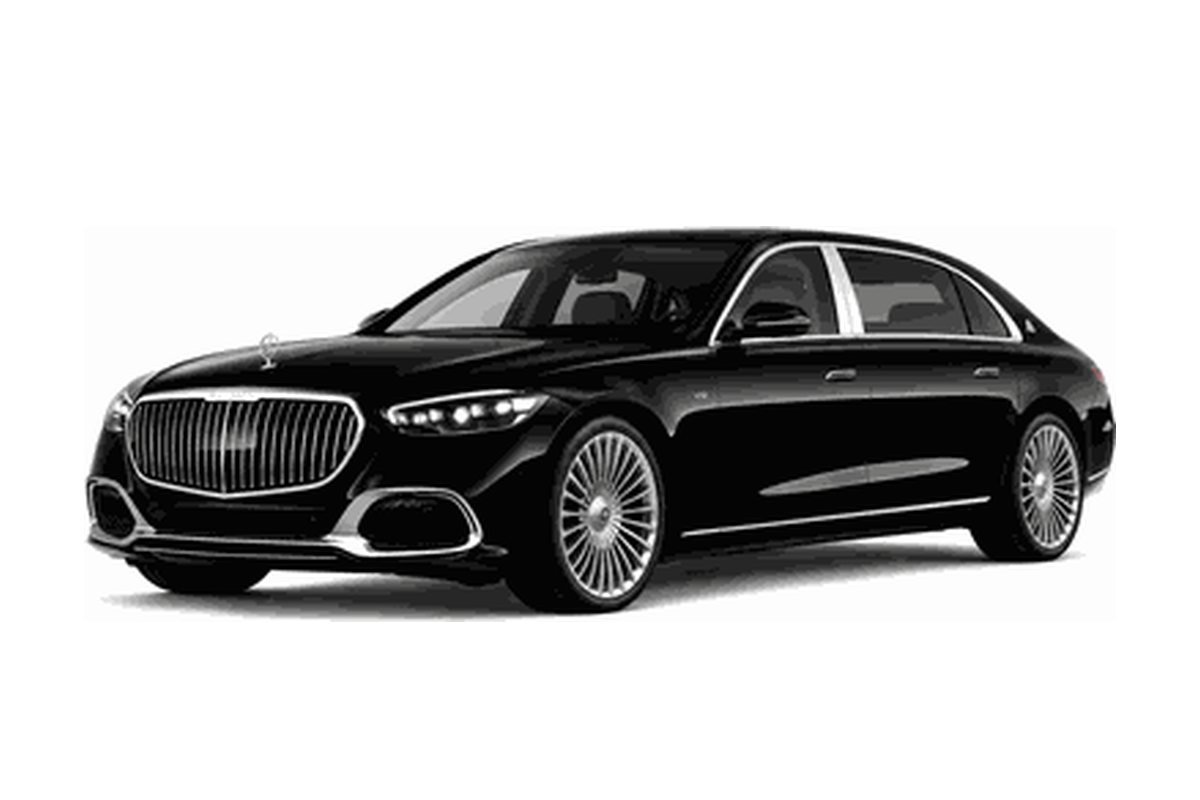
- A pre-booked private car, $245–300 for a business sedan, all-in plus HST.
For one person, the car sits at the bottom of the cost list. That is the truth, and we would rather say it than pretend otherwise.
The ranking flips when you add people
Transit fares are charged per person. A car fare is charged per vehicle. That single difference reorders the list as the group grows:
| Travellers | GO bus | Private car (one vehicle) | Car cost per person | Distance / time by car |
|---|---|---|---|---|
| 1, light bag | 1 transit fare | Sedan $245–300 | $245–300 | about 70 km, 45–65 min |
| 2, two cases | 2 fares | Sedan $245–300 | about $123–150 | about 70 km, 45–65 min |
| 3, three cases | 3 fares | Sedan $245–300 | about $82–100 | about 70 km, 45–65 min |
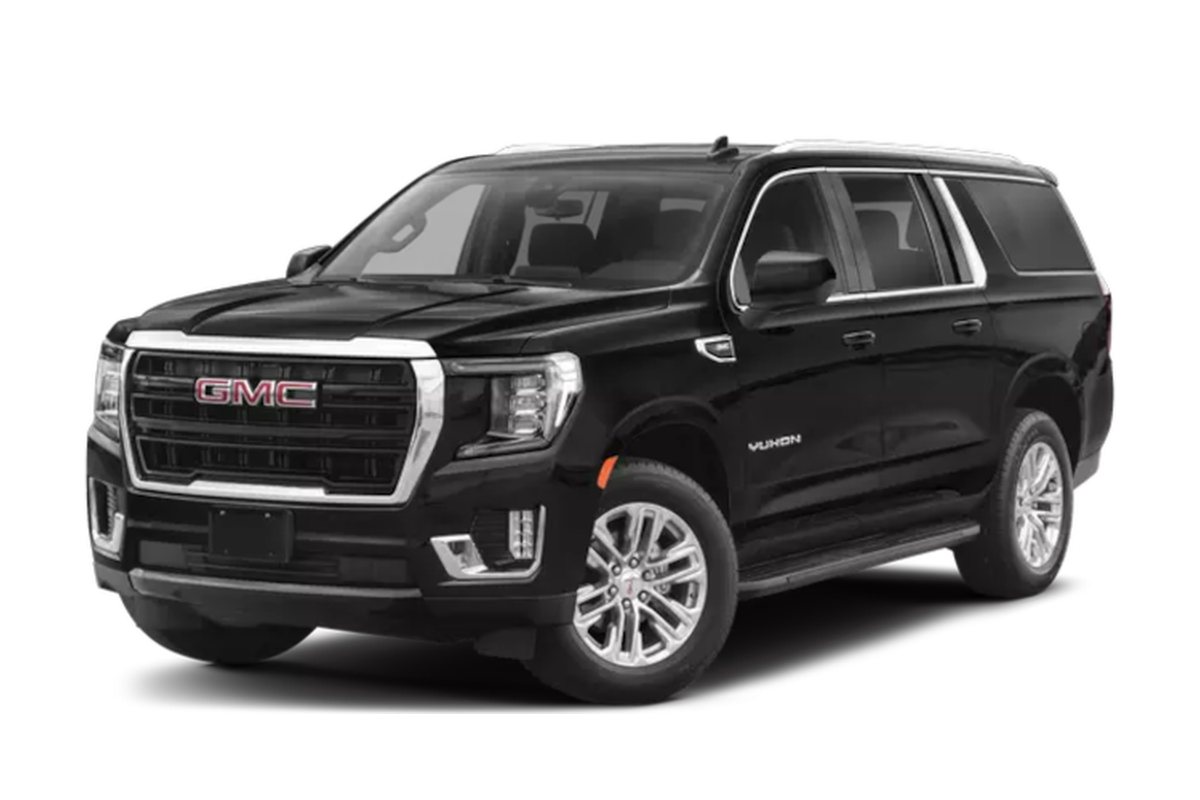
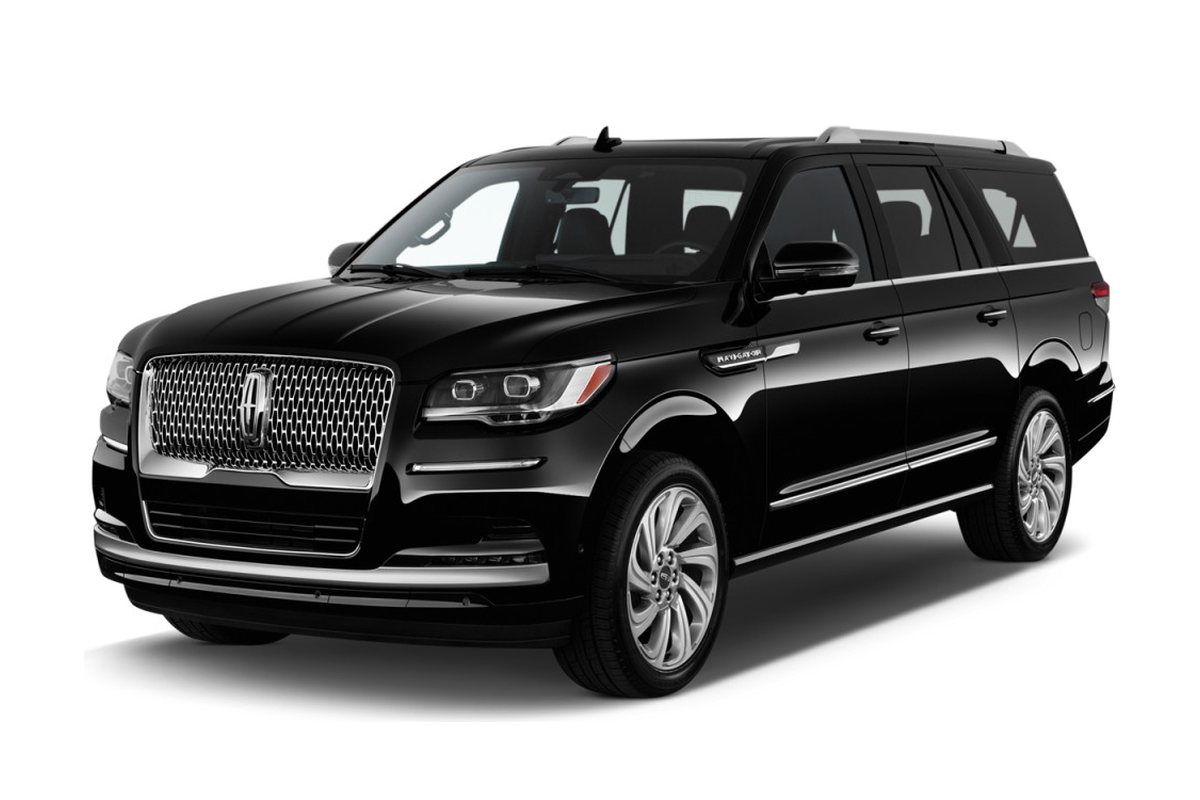
| 4, four cases | 4 fares | Business SUV $320–390 | about $80–98 | about 70 km, 45–65 min |
| 5, family, car seats | 4–5 fares | Executive SUV $405–495 | about $81–99 | about 70 km, 45–65 min |
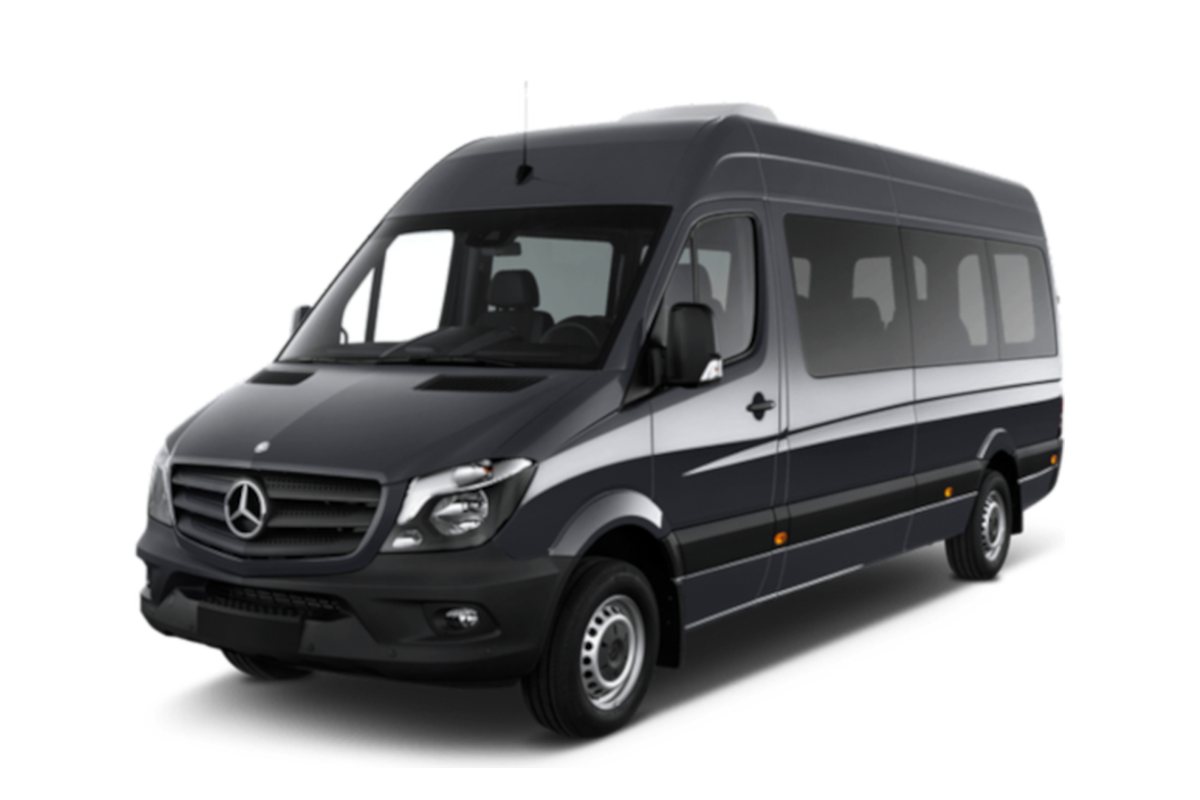
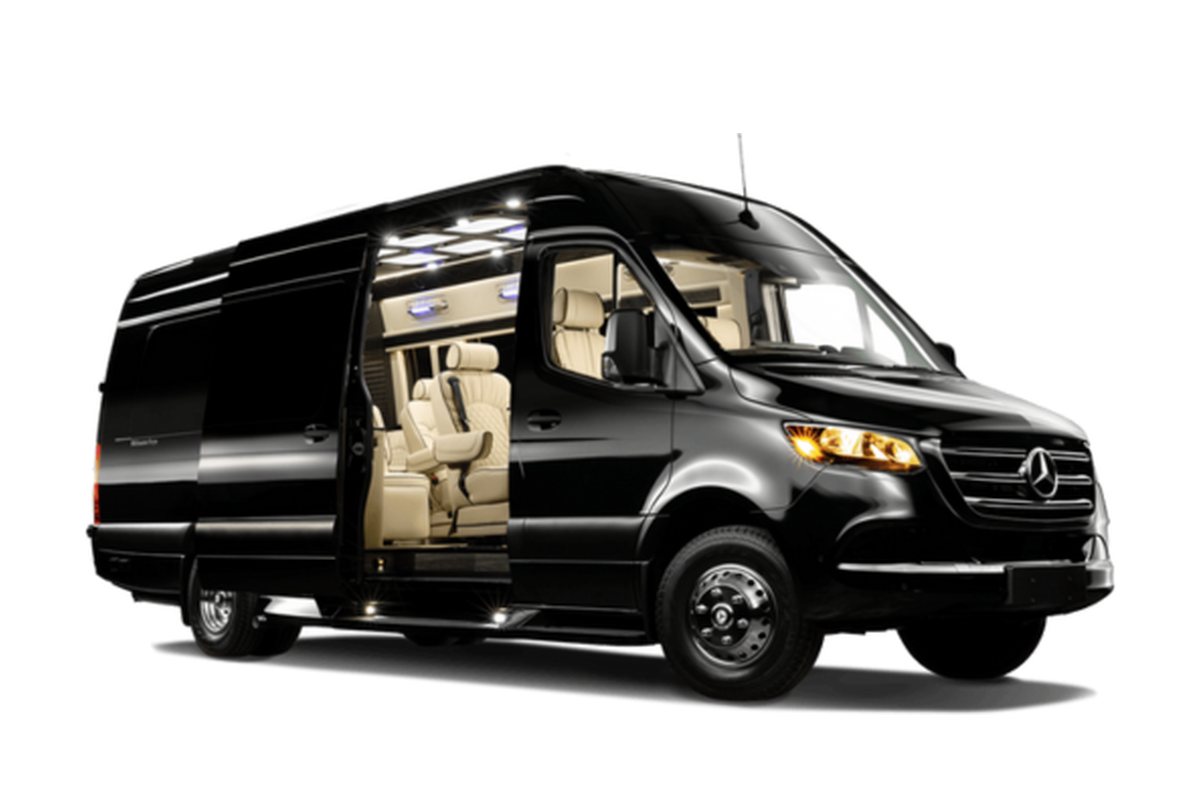
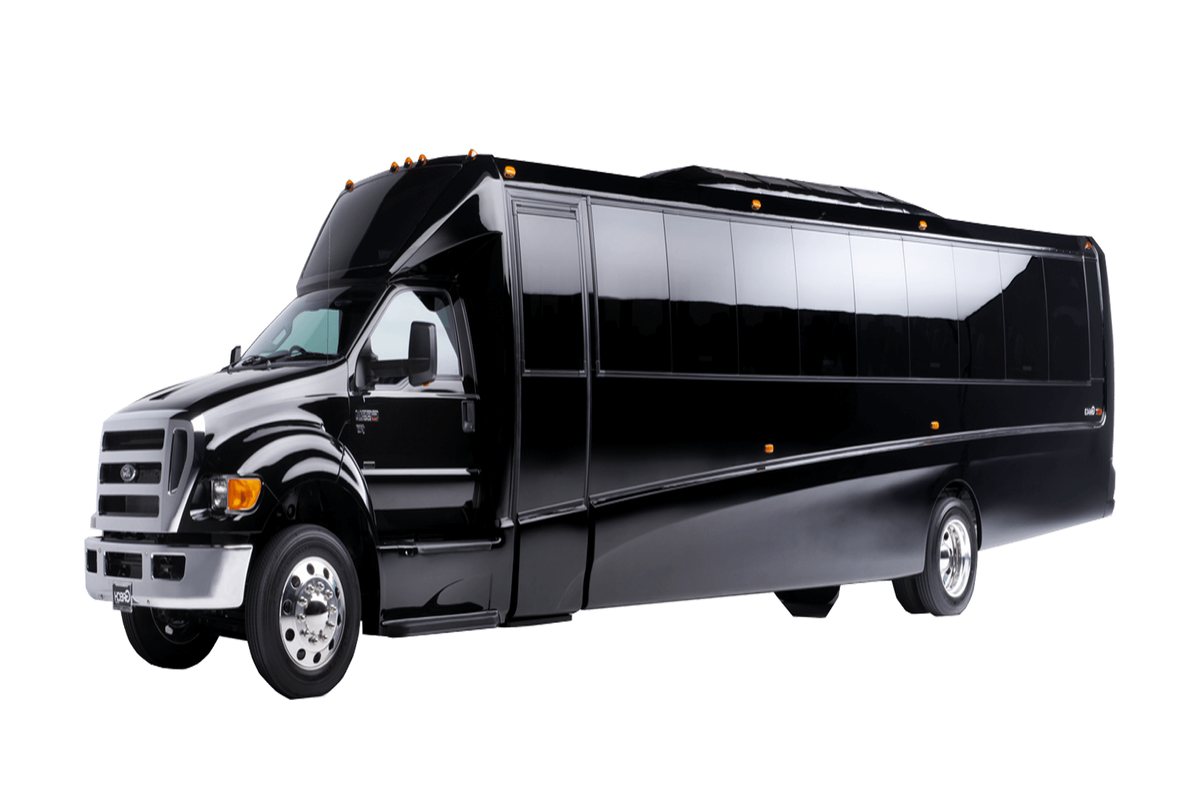
| 12, team or wedding party | 12 fares | Sprinter $675–825 | about $56–69 | about 70 km, 50–70 min |
Check the current GO fare on gotransit.com and multiply it by your headcount. Then add the two legs the bus does not cover.
The hidden legs: first mile and last mile
The bus timetable starts at Hamilton GO Centre on Hunter Street, not at your house. Unless you live in the lower city within walking distance, you need a way to reach it with your bags, and a way home from it on your return:
- HSR bus to the GO Centre: cheapest, but slow with a suitcase and limited late at night. Routes are on the HSR site.
- A car within Hamilton: a planning figure of $75–100 each way, 10–25 minutes.
- Park near the GO Centre: another daily charge for the whole trip.
A family on the Mountain or in Ancaster who takes a car to the GO Centre and back has already spent $150–200 before paying any bus fares. At that point the gap to a single SUV from the door narrows, and nobody carries cases through two transfers.
GO train plus UP Express: cheap, but not the cheapest
Some travellers assume the train is the budget route. From Hamilton it means a GO train from Hamilton GO Centre or West Harbour to Union, a walk through the station, then the UP Express to Terminal 1, which UP describes as a 25-minute ride running about every 15 minutes. That is two fares and two schedules. It makes sense if you are already heading downtown, or if the bus timetable does not suit your flight. On price alone it rarely beats the bus, and the connection at Union with luggage is the part people underestimate.
Rideshare and taxi: the middle of the list
App rides and taxis sit between transit and a booked car. On a quiet afternoon the numbers can be reasonable; at 5 a.m. on a March Break Friday or in a snow squall they can climb. Their other cost is uncertainty: no guaranteed car at your booked time and whatever vehicle is nearby, which may not take three large cases. We look at each in detail in Uber from Hamilton to Pearson and how much a taxi to Pearson costs.
Driving yourself and parking
For a one-night business trip, driving and parking can be the cheapest private option. For a week in the sun it rarely is, once seven days of airport parking are added to fuel and 407 tolls if you use them. We run the numbers in a separate post, Pearson parking versus a car from Hamilton. Pearson's own parking products and current rates are on its transportation and parking page; some lots are reservation-only, so check before you leave home.
Worked example 1: the McMaster student
One student, one suitcase, one backpack, a 2 p.m. flight from Terminal 1. Walk or take the HSR to Hamilton GO Centre, catch route 40, arrive with a comfortable margin. Winner: the bus. A private car would cost more than ten times as much for no real gain. If the flight were at 6 a.m. and no bus trip fitted, the answer might change — see Is Pearson open 24 hours? for the dawn-flight logic.
Worked example 2: a couple from Stoney Creek
Two adults, two checked cases, an evening flight. Bus fares for two, plus a car to the GO Centre ($75–100) and the same back on return, puts the transit route at well under half the price of a sedan each way. The sedan at $245–300 each way, door to terminal, is about $123–150 each. Winner: the bus on price, the car on comfort. Many couples take the bus out in daylight and a pre-booked car home after a long-haul landing — the mixed plan described in our parent guide.
Worked example 3: a family of five in Ancaster
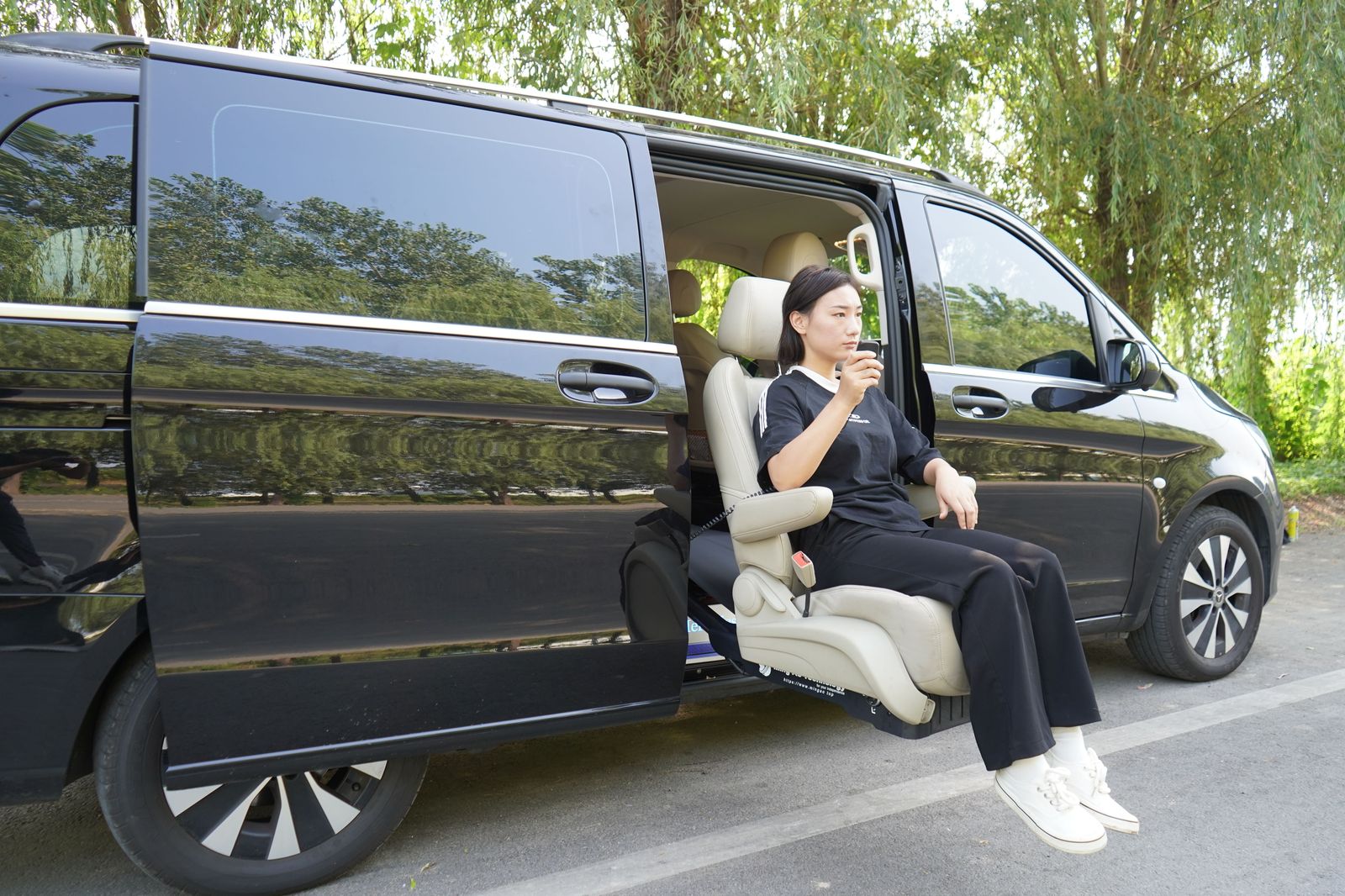
Two adults, three children, one car seat and one booster, five cases and a stroller. Five fares, a car to the GO Centre with a vehicle big enough for five cases, the booster and seat to carry by hand, and a Terminal 3 flight that means a transfer on the Terminal Link train. An executive SUV at $405–495 plus two child seats at $10–15 each carries everything from the driveway to the terminal door. Winner: the SUV, at roughly $85–105 per person including seats, and nobody carries a car seat through the terminal.
Worked example 4: the solo executive with meetings
One traveller landing at Pearson at 9 a.m. with a client in Mississauga at 11, a site visit in Burlington at 2 and a hotel in downtown Hamilton. Three one-way trips plus waiting is expensive by any method. Booked as an hourly chauffeur from the airport, a business sedan at $120–145 per hour for five hours is $600–725 all-in plus HST, with the bag in the trunk all day. Winner: hourly, because the cheapest ride to the airport is not the cheapest day.
Where you live changes the ranking
The bus is at its best for people who can walk to a stop. Burlington residents near Dundas Street and Highway 407 can join route 40 without going into Hamilton at all, which makes it even cheaper for them; our Burlington car service page covers the other options there. For Grimsby, Binbrook or Caledonia, the first leg to a bus stop is long enough that a car from the door usually wins for two or more. Visitors staying in a downtown hotel are close to the GO Centre; see downtown Hamilton hotels for where the cars stop.

Five mistakes that make the cheap option expensive
- Missing the only bus that fits. A timetable trip that leaves no margin can turn into a same-day taxi at the worst price.
- Forgetting the terminal. Route 40 serves Terminal 1; a Terminal 3 flight adds the Terminal Link transfer and time.
- Ignoring the return leg. A late arrival after the last convenient bus becomes an expensive ride. Our late-night arrival guide covers it.
- Counting fares, not people. Five fares add up quickly.
- Pricing the airport, not the day. Several stops are cheaper by the hour than as separate rides.
When a private car is the cheapest option
Put simply, a pre-booked car becomes the cheapest door-to-door choice when three or more of these are true: three or more travellers, more bags than hands, children who need seats, a flight before the first convenient bus or after the last, a Terminal 3 flight, a pickup far from a GO stop, or a day that includes other stops. When only one is true, transit usually wins.
Check these three things before you choose
Timetables and fares change, so confirm the live details on the day you plan, not from a blog post. First, the route 40 trips on GO's schedules page against your flight's check-in cut-off, in both directions. Second, your terminal on your airline booking. Third, the forecast: in a winter storm every road option slows down, and the cheapest plan is the one that still gets you there on time.
How to book the cheaper version of a private car
If the car wins, three habits keep the cost down. Choose the smallest vehicle that fits the bags: a sedan takes three people and three cases, an SUV six and six. Book direct on HamiltonLimo.net's own engine, where the fixed all-in fare includes chauffeur, fuel, 407 tolls if used, airport fees and gratuity — no app, no aggregator commission, no surge. And book both legs at once so the return is flight-tracked. Full fare tables by vehicle are on the Hamilton to Pearson limo route page and our rates page.