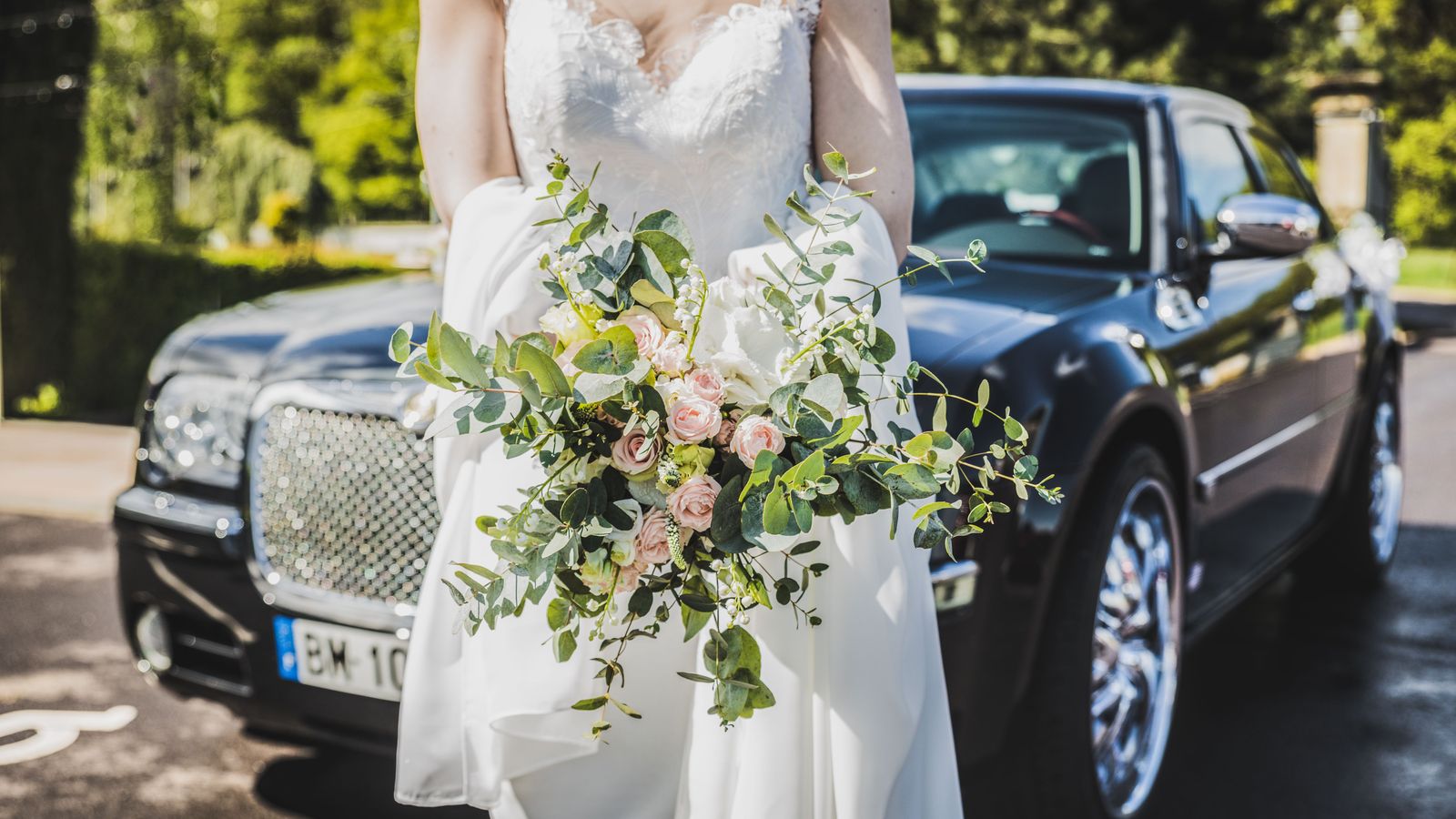
Yes. A limo or black car can cross the US-Canada border like any passenger vehicle, provided the operator sends a vehicle and chauffeur cleared to cross and every passenger carries accepted documents. From Hamilton the trip normally uses the Peace Bridge or the Lewiston-Queenston Bridge. The booking must start or end in Canada: a Canadian car cannot carry passengers between two US points.
Can a limo cross the border at all?
Yes, and we do it most weeks. A chauffeured car is inspected at the booth the same way a family car is: the officer looks at the vehicle and the chauffeur, then speaks to each passenger. What makes a limo trip different is everything around the booth: which vehicle the operator can send, whether the chauffeur is cleared to enter the other country, what the fare covers and where the trip is allowed to start and finish.
Fares, routes and the booking page live on our cross-border limo service to the USA. This post answers the operational question underneath it: how a hired car legally and practically gets you from Hamilton to the United States and back, and where the limits are.
Which vehicles we send across
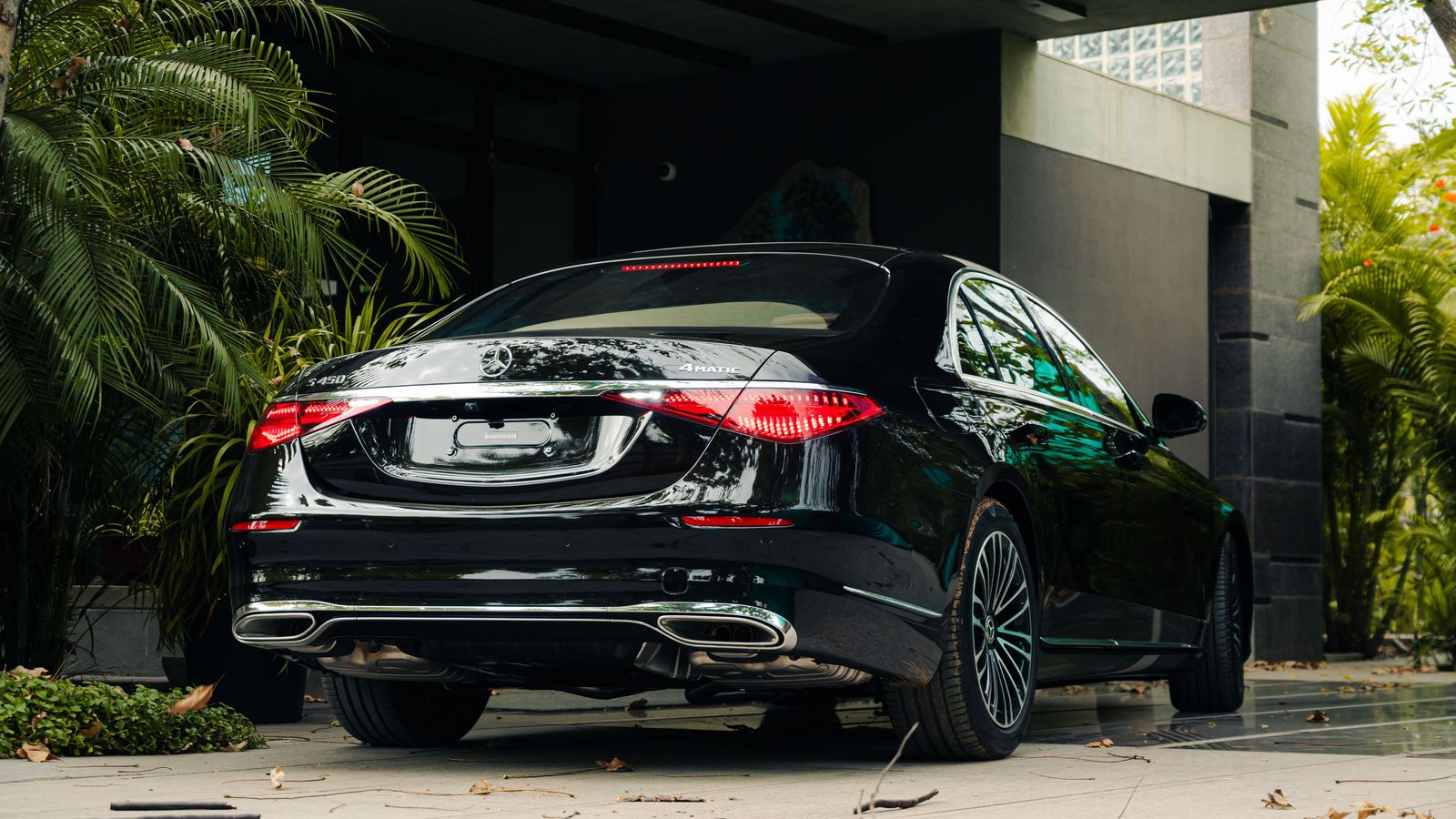
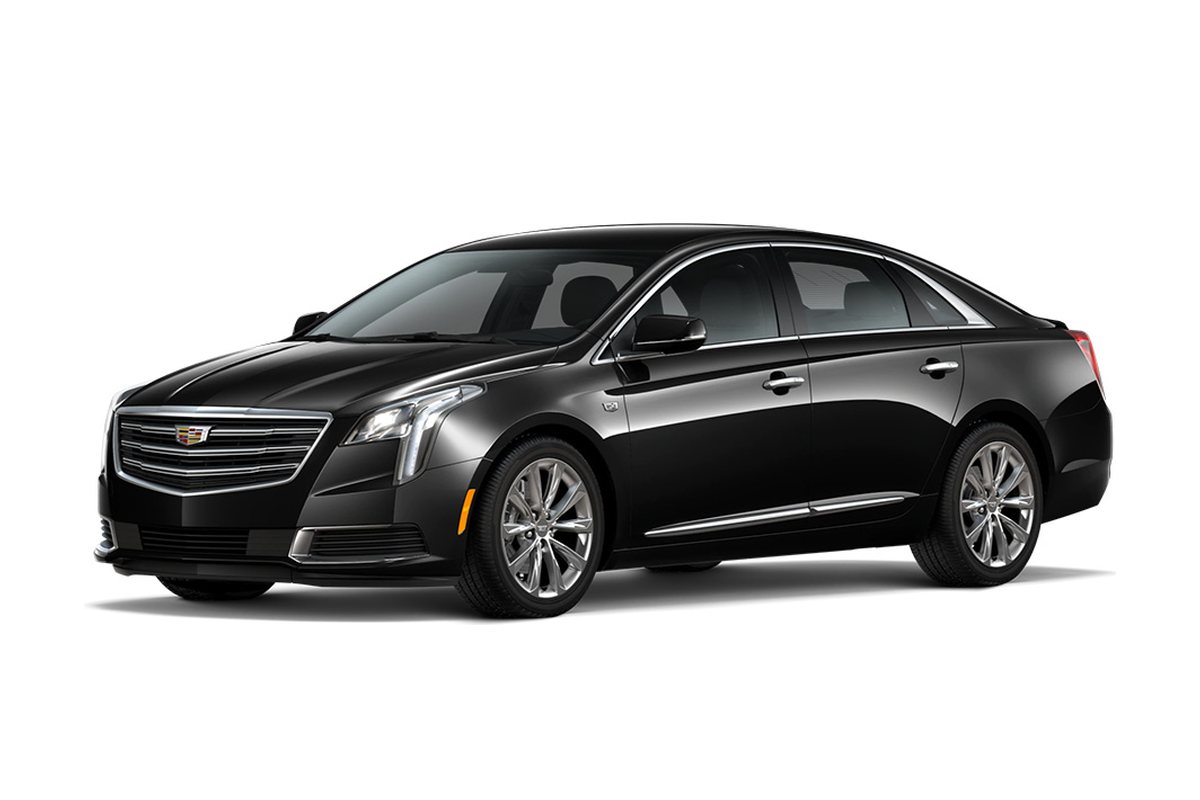
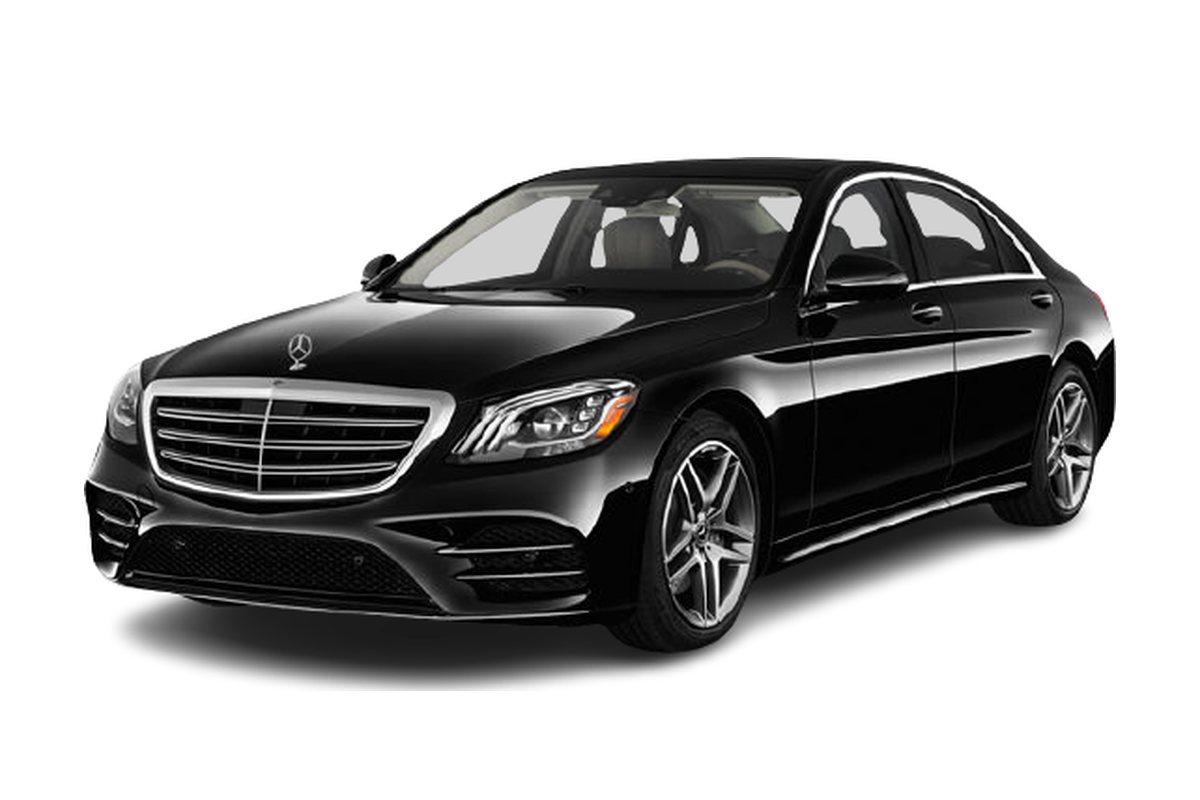
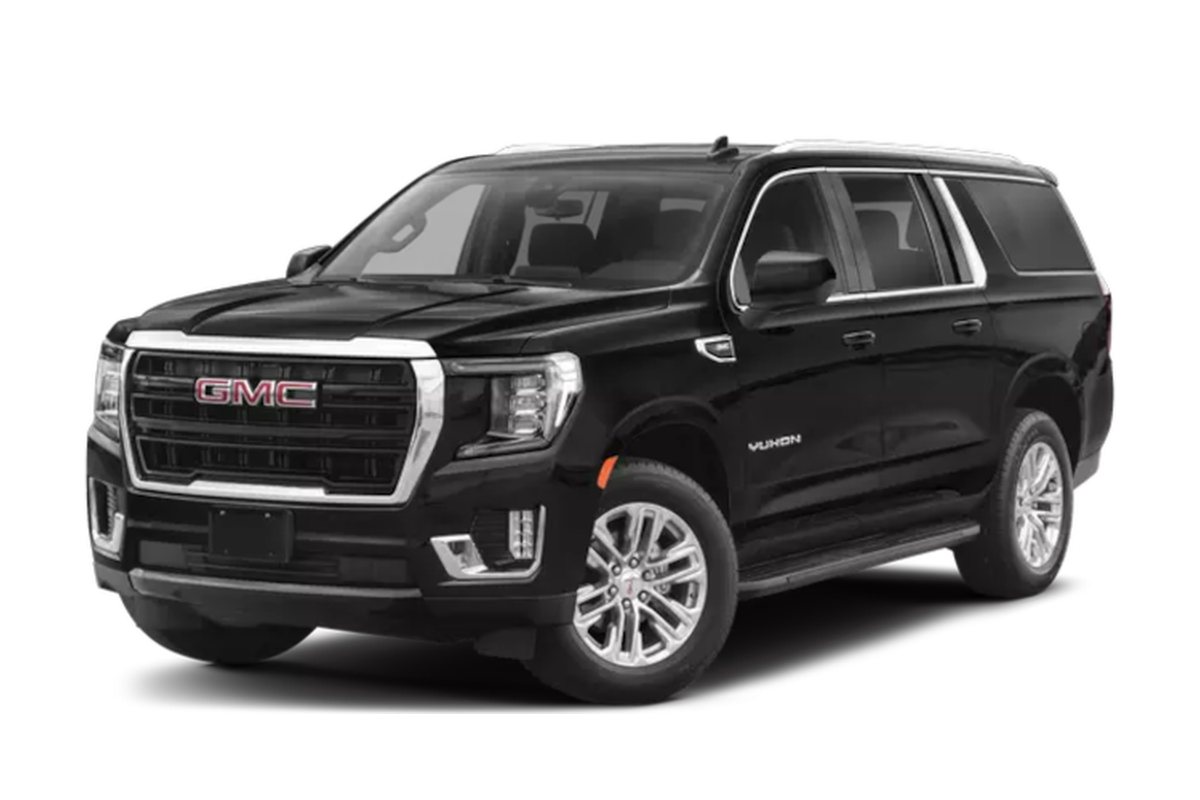
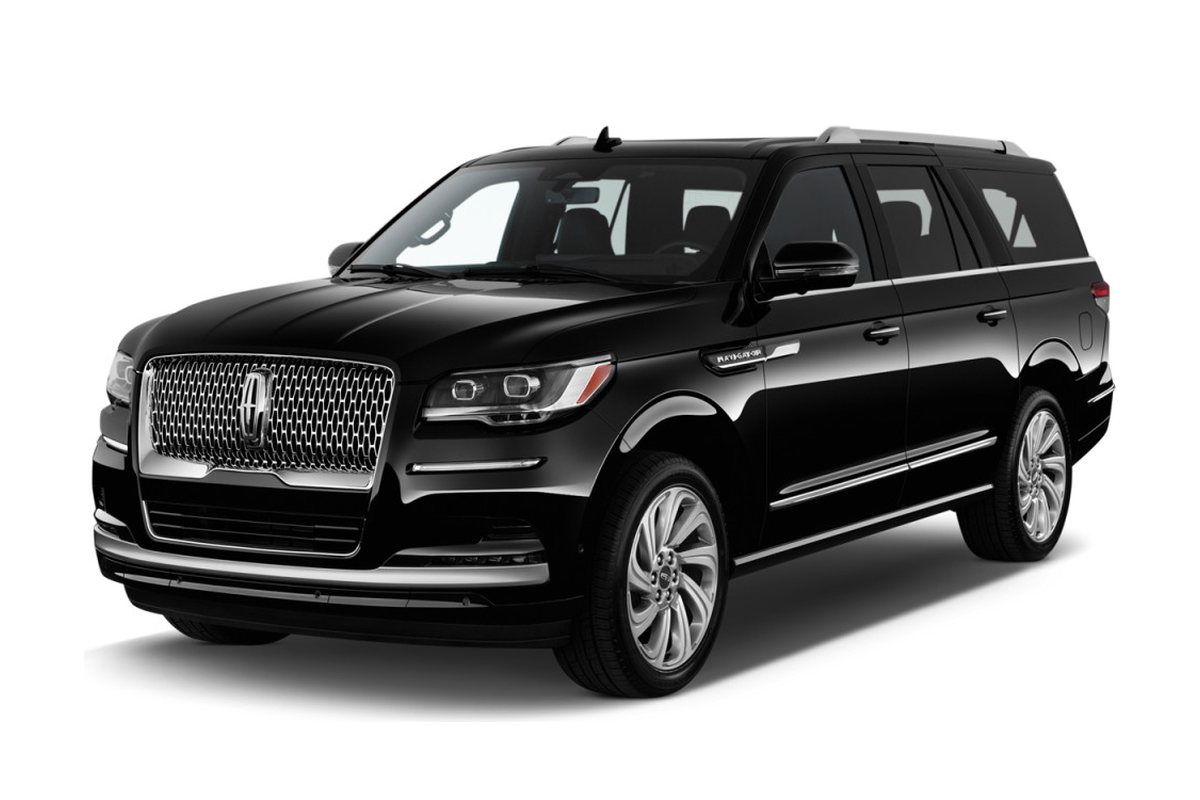
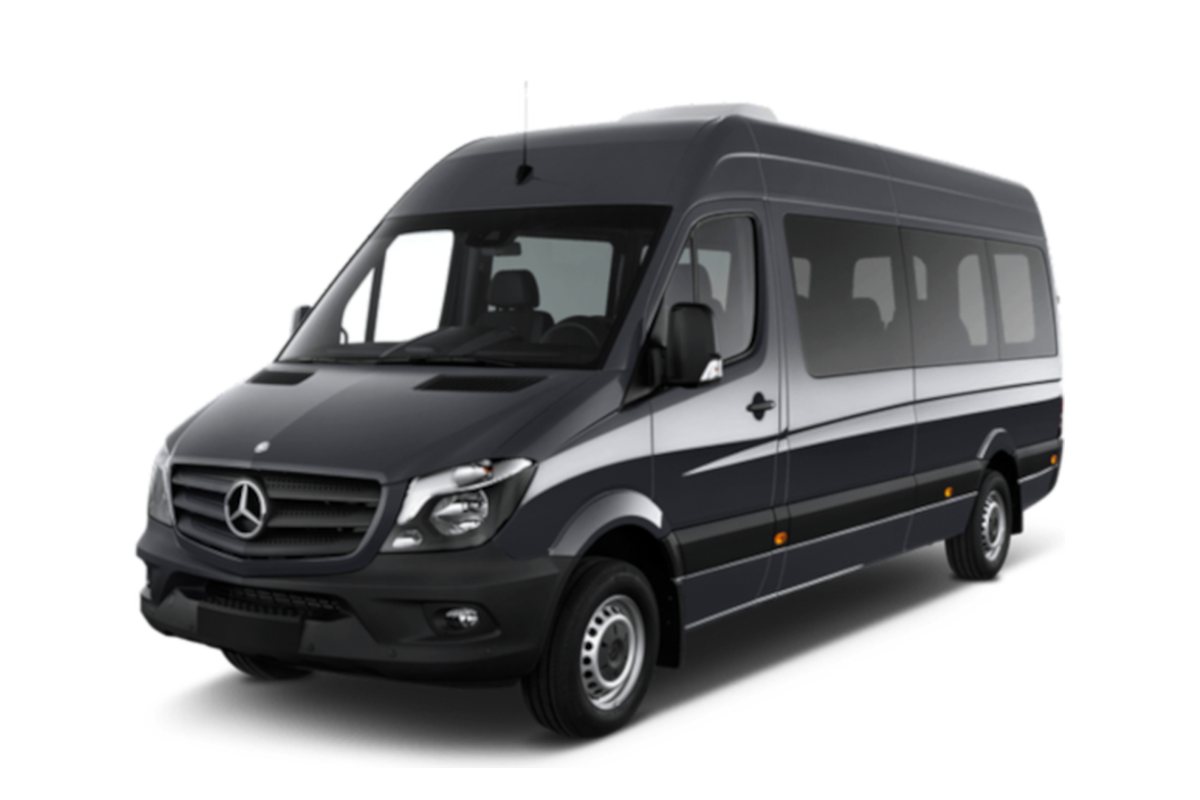
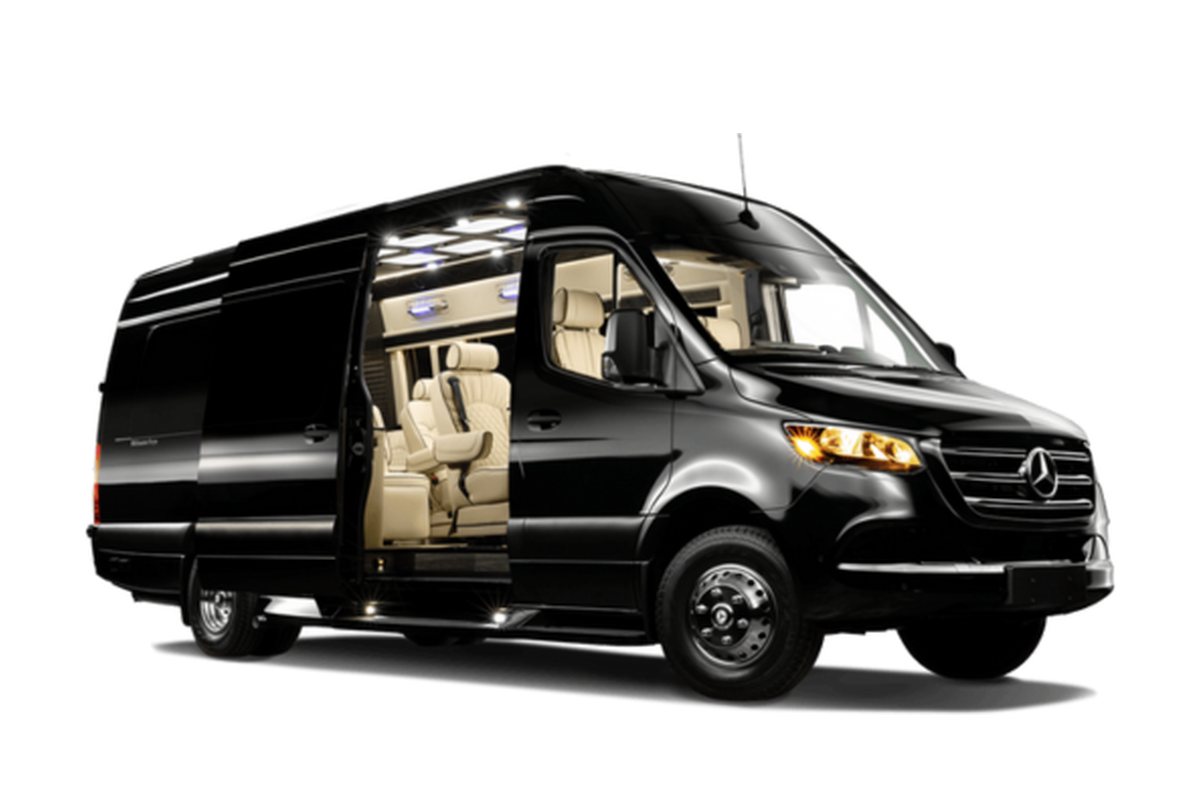
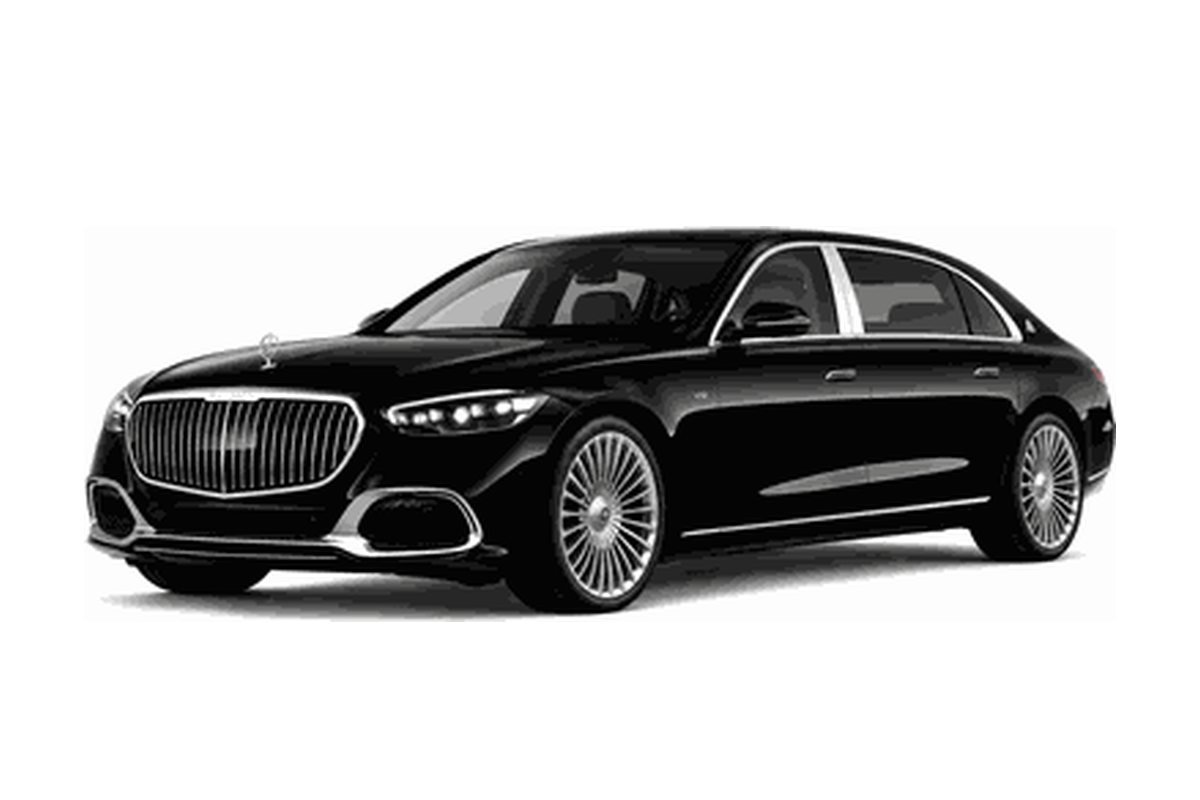
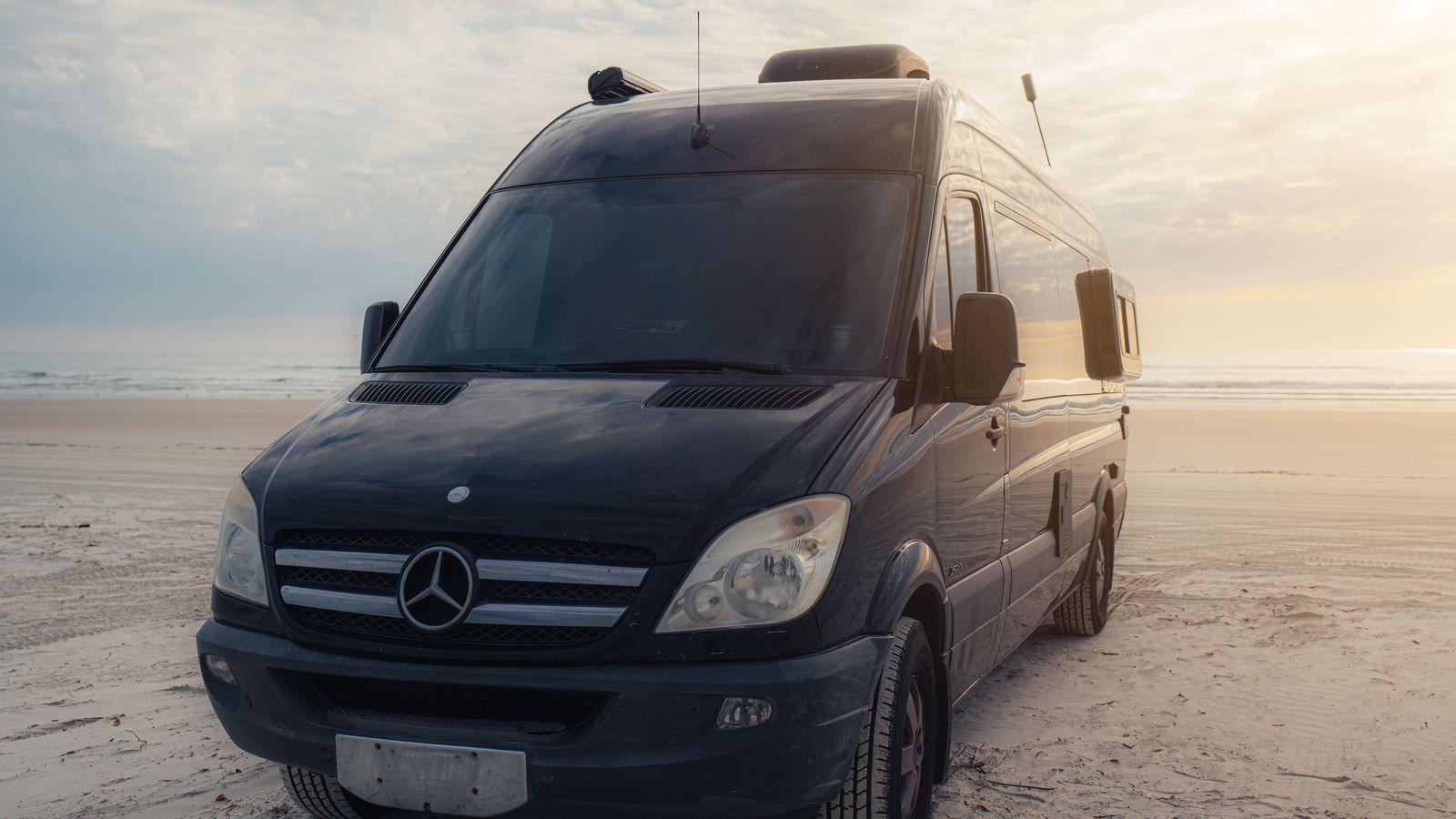
Our own fleet does the crossings: the business sedan, the Business SUV, the first-class sedan, the executive SUV, the luxury van and the 14-seat Sprinter. They are owned and dispatched by us, so we know the paperwork, the insurance and the chauffeur for every car before it leaves Hamilton.
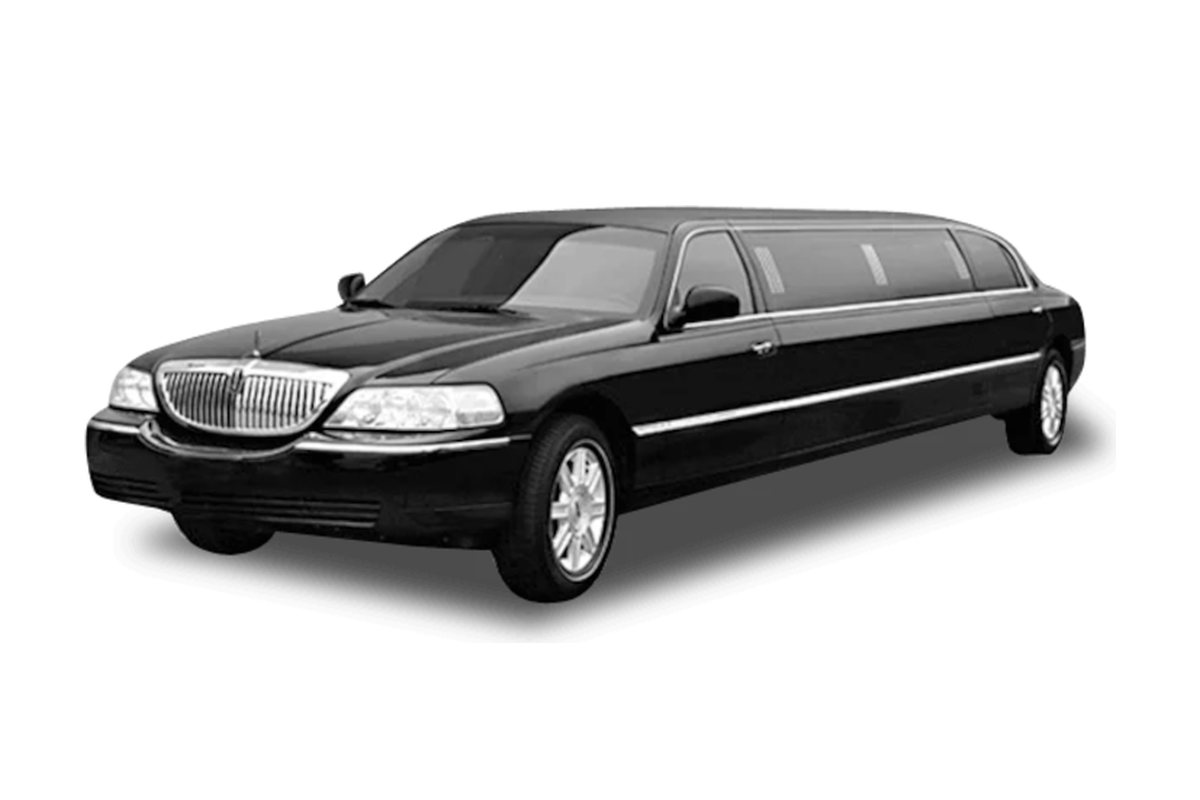
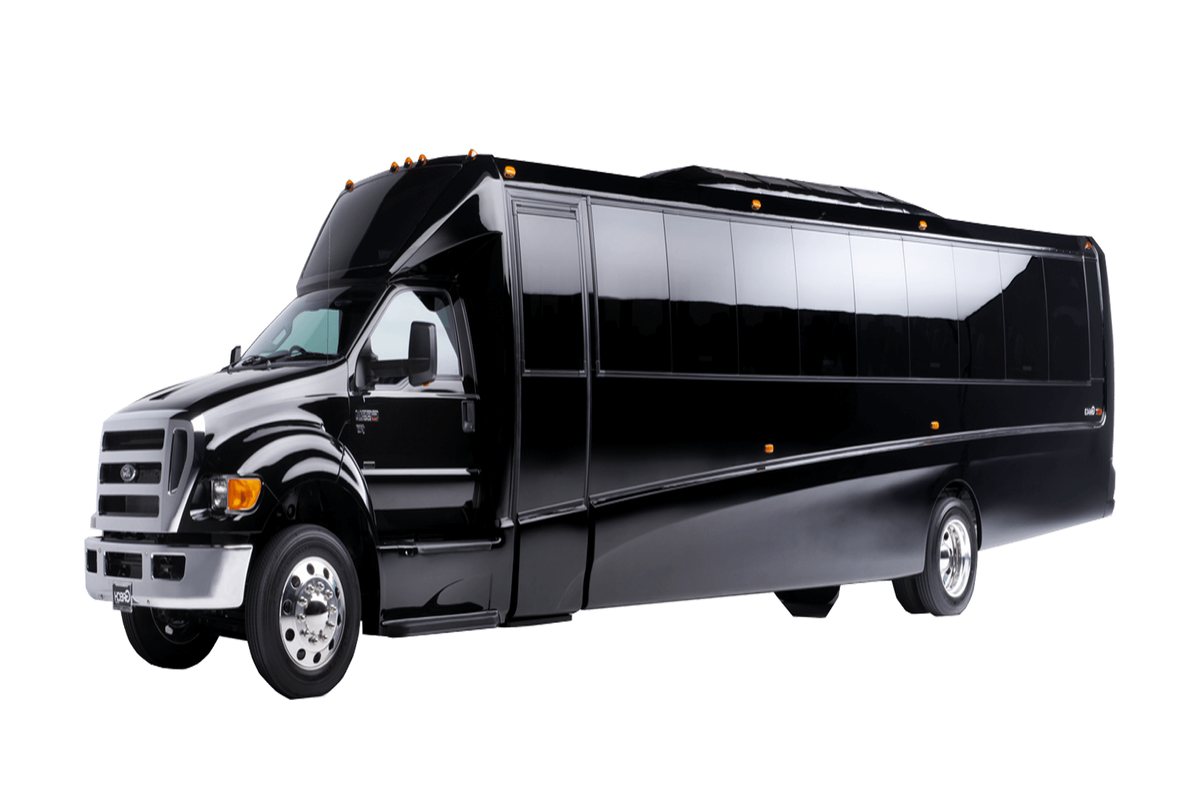
Stretch limousines, Rolls-Royces, party buses and coaches come from vetted partner operators in the LimousineWorldwide.Directory network. Whether one of those vehicles can cross depends on that operator's own authorisations, so a coordinator confirms it in writing before we accept the booking. For most cross-border trips an SUV or Sprinter does the job better anyway: the booth inspects every seat, and a party bus with 30 guests is a long conversation.
The rule most people have never heard of: cabotage
Here is the limit that surprises clients. US customs rules for foreign-based buses and taxicabs, set out at 19 CFR 123.14, generally stop a vehicle based in Canada from carrying passengers from one US point to another. That is cabotage, and it applies to us.
In practice:
- Hamilton to Buffalo airport: fine. The trip starts in Canada.
- Buffalo hotel to Hamilton: fine. It ends in Canada.
- Buffalo hotel to Buffalo airport, on its own: not something we can book. Use a US operator.
- A day that leaves Hamilton, visits several Buffalo stops and returns to Hamilton: an international round trip that begins and ends in Canada.
If your plan has a purely American leg, tell dispatch and we will show you where the line falls rather than guess.
Who carries which papers
Three sets of documents meet at the booth, and each belongs to a different person.
| Who | What they carry | Who checks it |
|---|---|---|
| Chauffeur | Their own passport or accepted document; eligibility to enter the other country for this work | Officer at the booth |
| The vehicle | Registration, insurance valid in both countries, company details | Officer at the booth, especially in secondary |
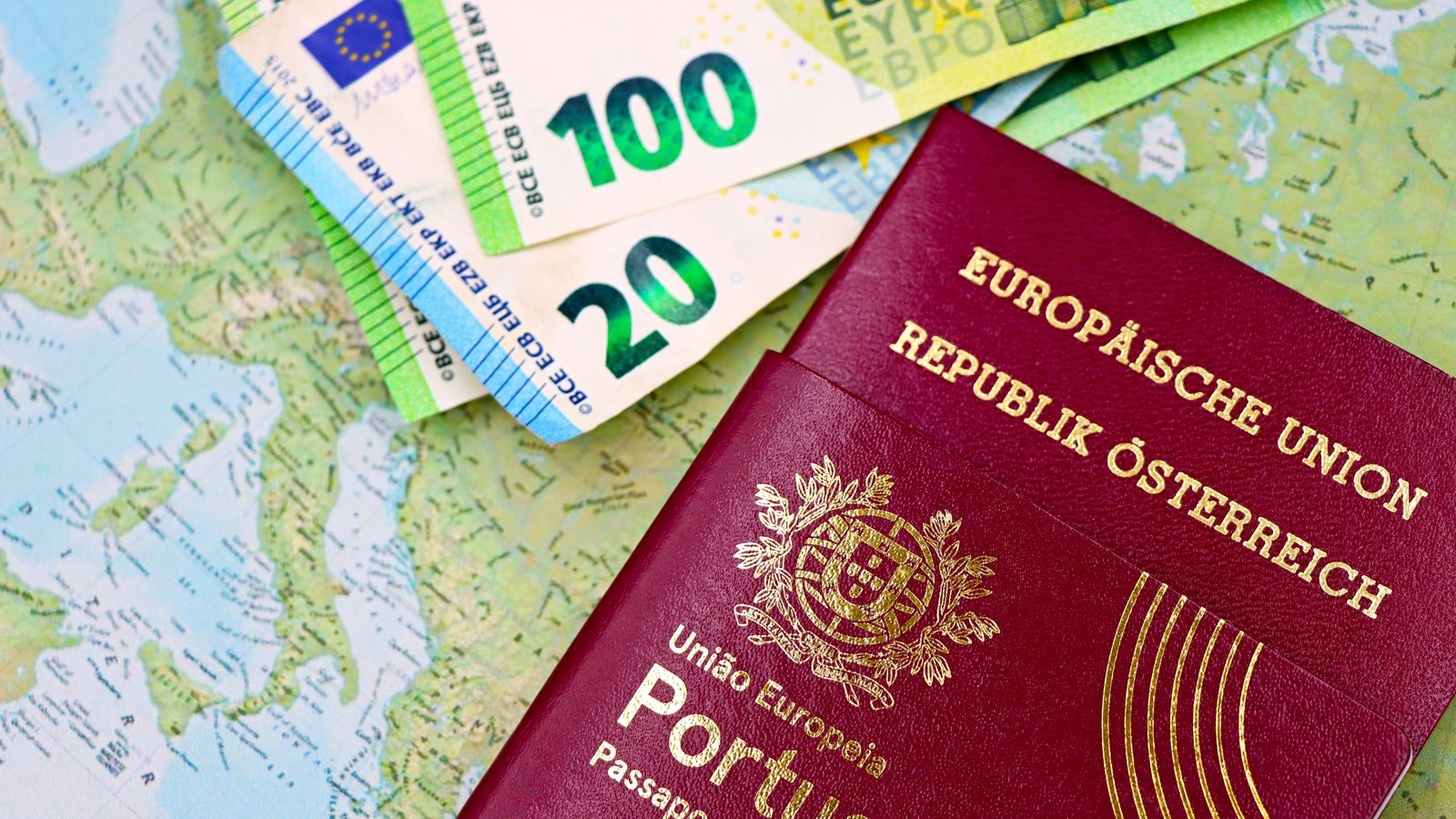
| Each passenger | Their own accepted document; children's proof of citizenship; consent letters | Officer questions each person |
The chauffeur cannot vouch for anyone. For passenger document rules by nationality, see our border crossing guide; American visitors will find the detail in do Americans need a passport for Canada by car.
A real Hamilton to Buffalo booking, minute by minute
Here is how a typical weekday run to Buffalo Niagara International Airport unfolds for two passengers in a sedan.
- T minus 24 hours: dispatch checks the flight, the passenger notes (citizenship, NEXUS, bags) and the weather.
- Pickup, 11:00: the chauffeur arrives five minutes early in Westdale, loads bags and asks everyone to keep documents in hand.
- 11:10–11:55: Highway 403 to the QEW, over the Burlington Skyway or along the lakeshore, through Grimsby and St. Catharines.
- 11:55: the chauffeur compares the posted waits and picks the Lewiston-Queenston Bridge.
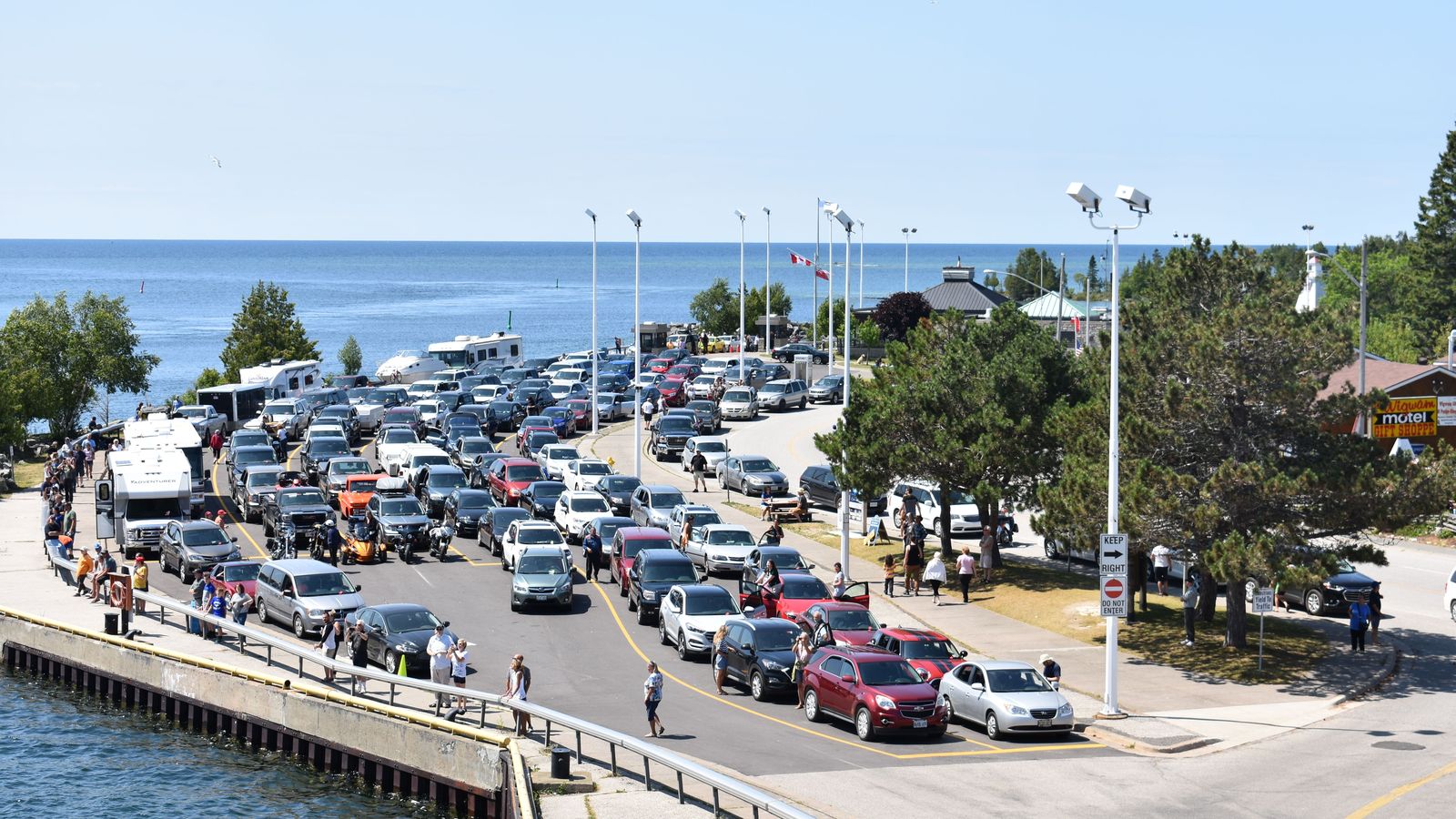
- 12:05–12:20: queue and booth; each passenger answers two questions.
- 12:20–12:40: I-190 south to the airport, drop at departures.
Door to door: about 105 km and 100 minutes. The planning fare was $375–465, all-in plus HST.
What happens in secondary inspection
Sometimes the officer hands back documents with a slip and points to a parking bay. That is secondary inspection, and in a hired car it is routine, not a sign that anything is wrong. The chauffeur parks where directed. Passengers follow the officer's instructions, which may mean going inside while the vehicle is looked over.
A secondary stop usually adds 15–45 minutes. On a one-way fare, that time is already inside the fixed price. On an hourly booking it simply counts as part of your hours. Overseas visitors who still need an I-94 arrival record are the most common reason for going inside; CBP lets them apply for a provisional one through its I-94 site, which shortens the stop.
What if one passenger is refused entry?
It happens rarely, but it happens: a missing document, a past conviction, a visa problem. If a passenger is refused at the US booth, the officer directs the car back toward Canada, and the chauffeur brings that passenger home. The rest of the party then decides whether to continue in a second trip or turn around together.
Our fixed fare covers the drive, not the admission decision, so a refusal cannot be treated as a free cancellation. The single best protection is ten minutes the night before, checking every document against the official lists. Tell us about anything unusual at booking and dispatch will plan the timing with a buffer.
Taxi, rideshare or rental: why they often can't
A limo crossing works because the operator has chosen to be set up for it. Other options are less predictable.
- A local taxi: many municipal licences and taxi insurance policies do not extend to international trips. Some drivers will not cross at all.
- A rideshare app: whether an app driver may take you across depends on the platform's rules and the driver's documents; check before assuming.
- A rental car: many rental agreements allow Canada-US trips, but one-way international drop-offs usually carry a fee and paperwork.
A private chauffeur quotes the whole journey, bridge included, before you confirm. That certainty is most of the value.
What the cross-border fare includes
Every quote from our reservation engine is fixed and all-in: the chauffeur, the vehicle, fuel, the bridge toll, 407 tolls if used, airport fees and gratuity. HST appears on its own line. There is no surge and no meter, and a long queue at the Peace Bridge does not change the price.
| Destination from downtown Hamilton | Distance | Drive time | Business sedan | Executive SUV |
|---|---|---|---|---|
| Niagara Falls NY airport (IAG) | about 80 km | 65–90 min | $325–400 | $520–640 |
| Buffalo airport (BUF) | about 105 km | 80–110 min | $375–465 | $600–745 |
| Rochester NY | about 210 km | 2.5–3.25 h | $650–800 | $975–1,245 |
| Detroit | about 300 km | 3.25–4 h | $940–1,150 | $1,410–1,795 |
These are planning ranges; the engine quotes your exact address, date and vehicle.
One way, return, or keep the car by the hour
Three booking shapes cover almost every cross-border trip:
- One way: an airport drop or a hotel arrival. Simplest and cheapest for a single leg.
- Two one-way bookings: out on Friday, back on Sunday. Each leg is its own fixed fare.
- Hourly: the car and chauffeur stay with you. Best for a shopping day, a business day, a medical appointment or a game with a same-night return.
Our hourly chauffeur service runs $120–145 an hour for a business sedan and $190–235 for an executive SUV, all-in plus HST, with a three-hour minimum. A six-hour Buffalo day in a sedan lands around $720–870. The border time is part of the hours, never a separate fee.
Groups: SUVs, Sprinters and larger parties
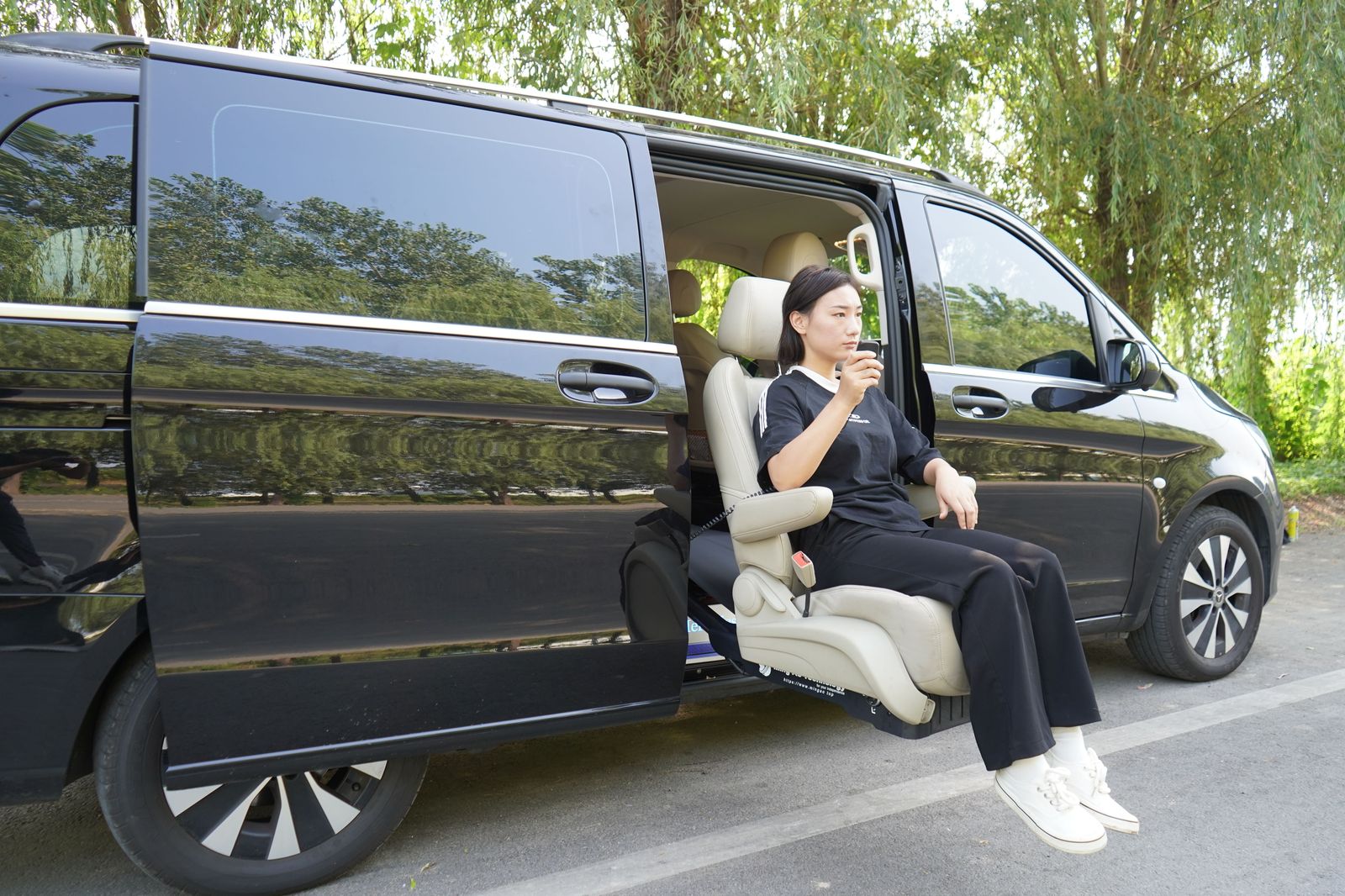
For a family of five or six with luggage, the executive SUV or luxury van is the default, and in winter the SUV is our first choice for the QEW and the Niagara snow belt. For up to 14 people, the Sprinter group transportation service keeps everyone together; the officer inspects each seat, so allow a few extra minutes at the booth.
Beyond 14, coaches come from partner operators and are priced in writing by a coordinator, including confirmation that the vehicle is cleared to cross. Wedding parties and sports teams often split into two Sprinters instead, which keeps each inspection short and gives the group two departure times.
Where the trip can start: hotels and cities
Cross-border trips do not have to start in Hamilton. We collect from Burlington, Oakville, Grimsby, St. Catharines and Niagara, and from hotels across the region. Conference guests at the lobbies in our Burlington hotels guide are about 90 km from Buffalo airport; a pickup in St. Catharines is closer still. Coming north, the same rules apply in reverse: a Buffalo, Niagara Falls NY or Rochester pickup ending anywhere in Ontario is an international trip we can book.
Myths we hear at the dispatch desk
- "The limo company handles customs for us." No. Each passenger answers for themselves.
- "Limos use a special fast lane." No. Commercial truck lanes are for trucks; NEXUS lanes need every occupant to be a member.
- "A slow border means a bigger bill." Not on a one-way fixed fare.
- "The chauffeur can bring a parcel for a friend." Never. Nothing crosses for anyone who is not in the car.
- "We can drop off in Buffalo and have the same car do airport runs there all weekend." Not with a Canadian car, because of cabotage.
How to book a cross-border limo direct
Book on HamiltonLimo.net's own reservation engine through the floating "Book now" button or the booking page. Enter the pickup, the US address or airport, the date, passengers and bags. Add each traveller's citizenship, flag NEXUS if the whole party holds it, and note any overseas visitors so dispatch can build in time. The engine shows the fixed all-in fare before you confirm; no app and no marketplace commission. Cancellation is free more than 72 hours before pickup, 10 % within 72 hours, 50 % within 48 hours and 100 % within 24 hours or for a no-show. Wait times you can check yourself are on the CBSA border wait times page and the Peace Bridge site.