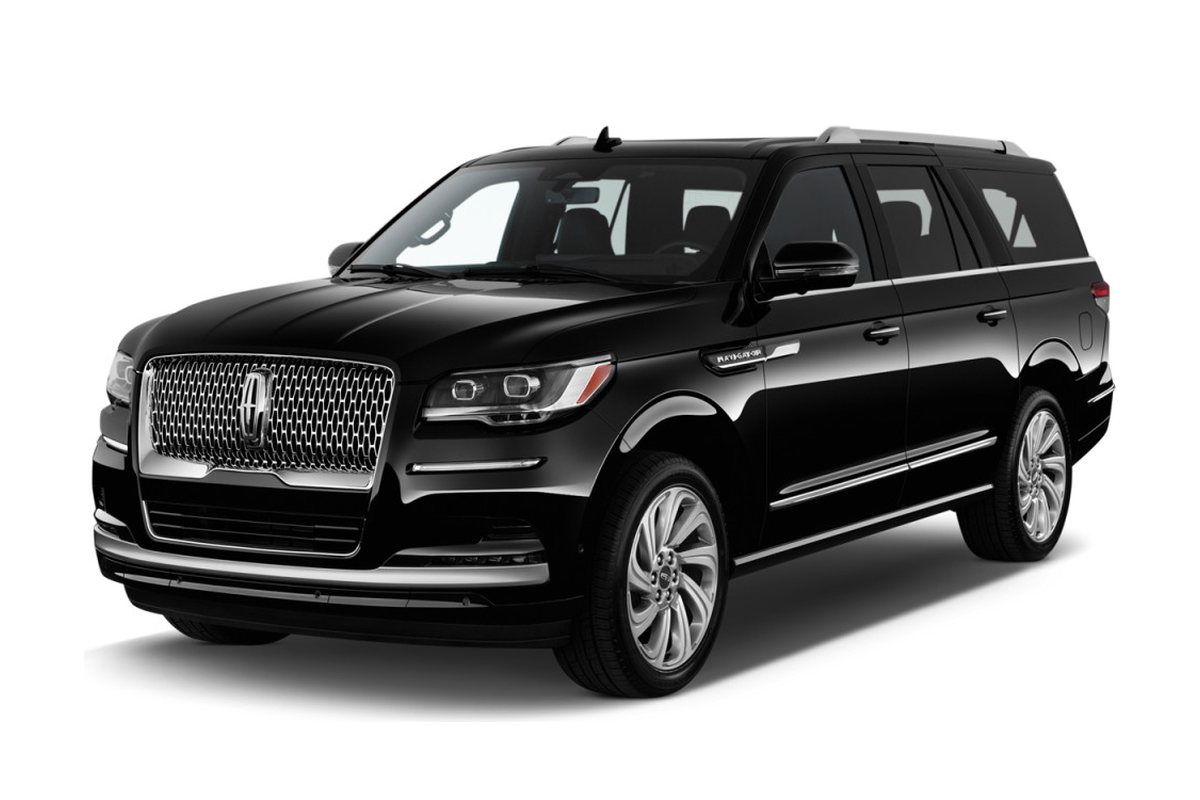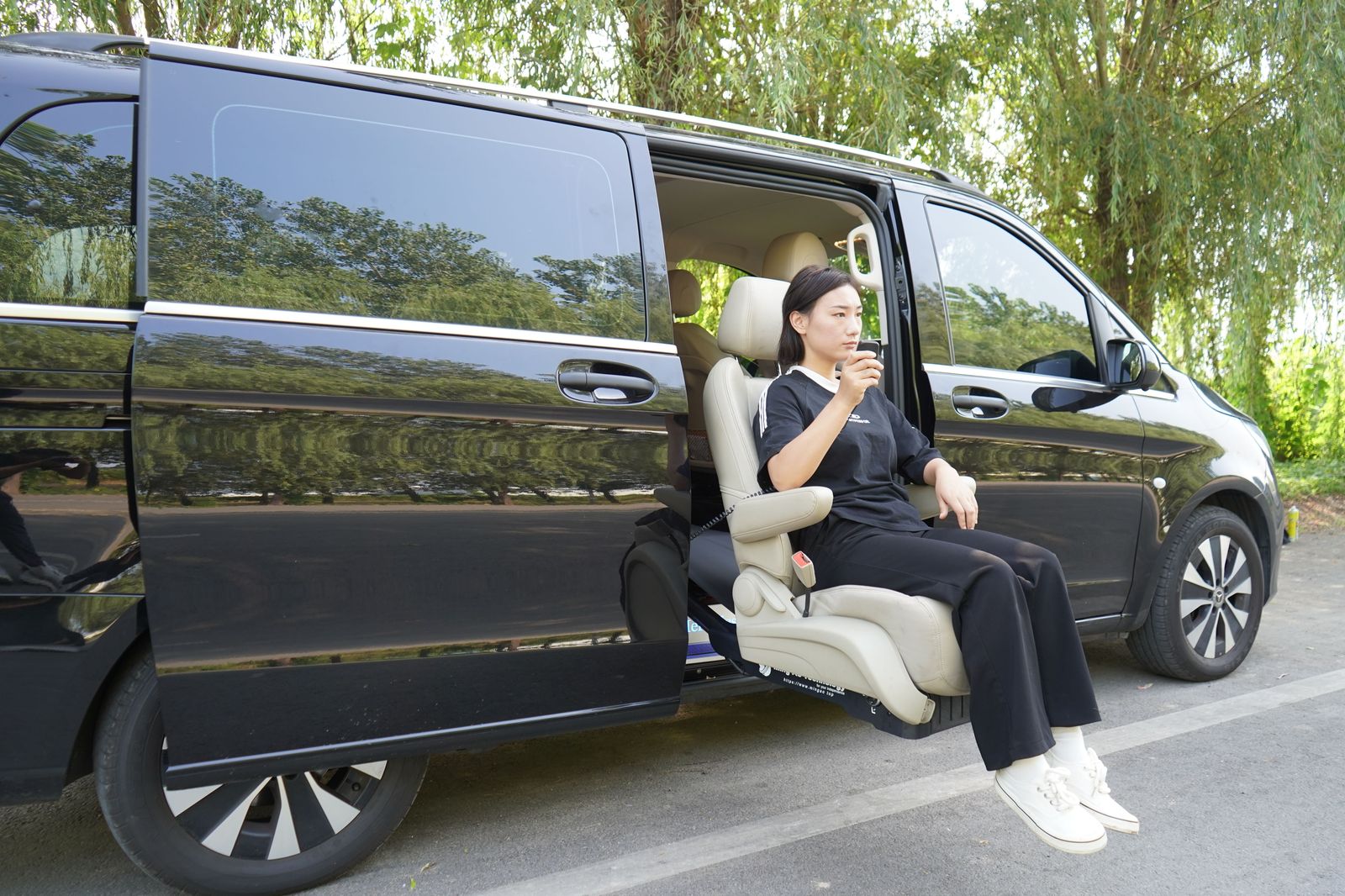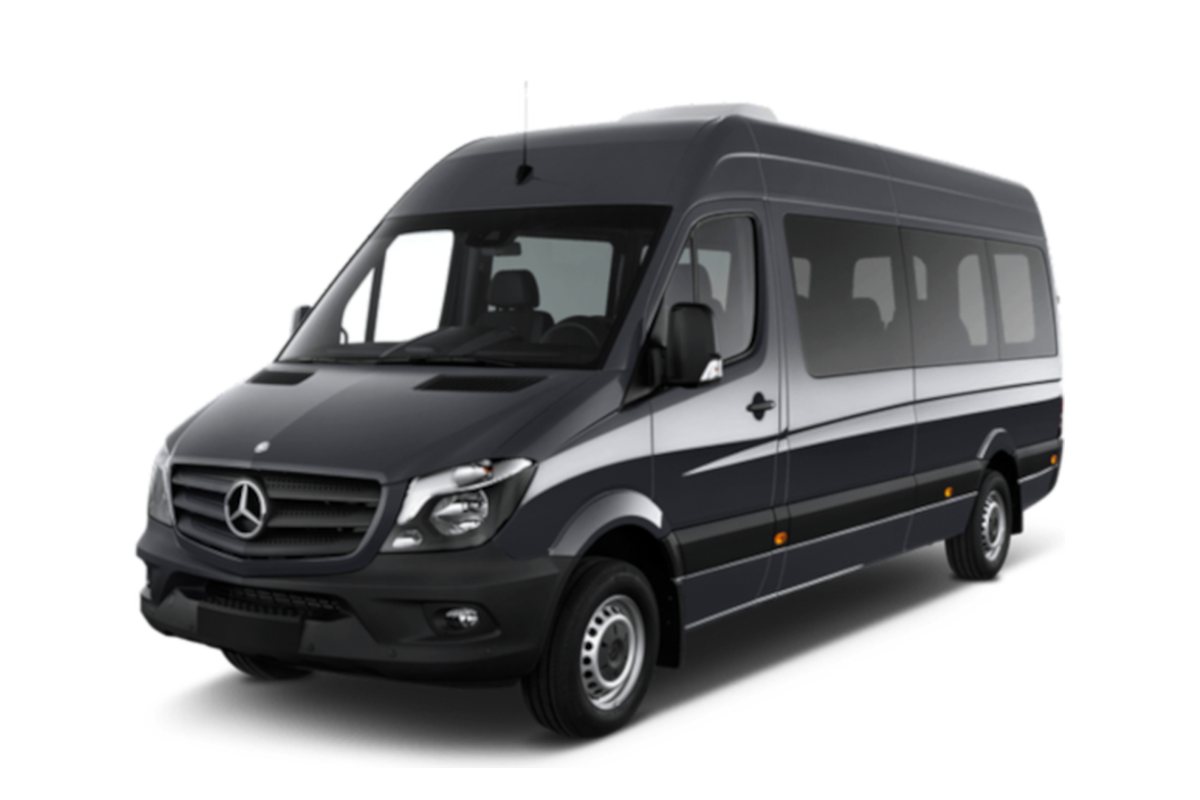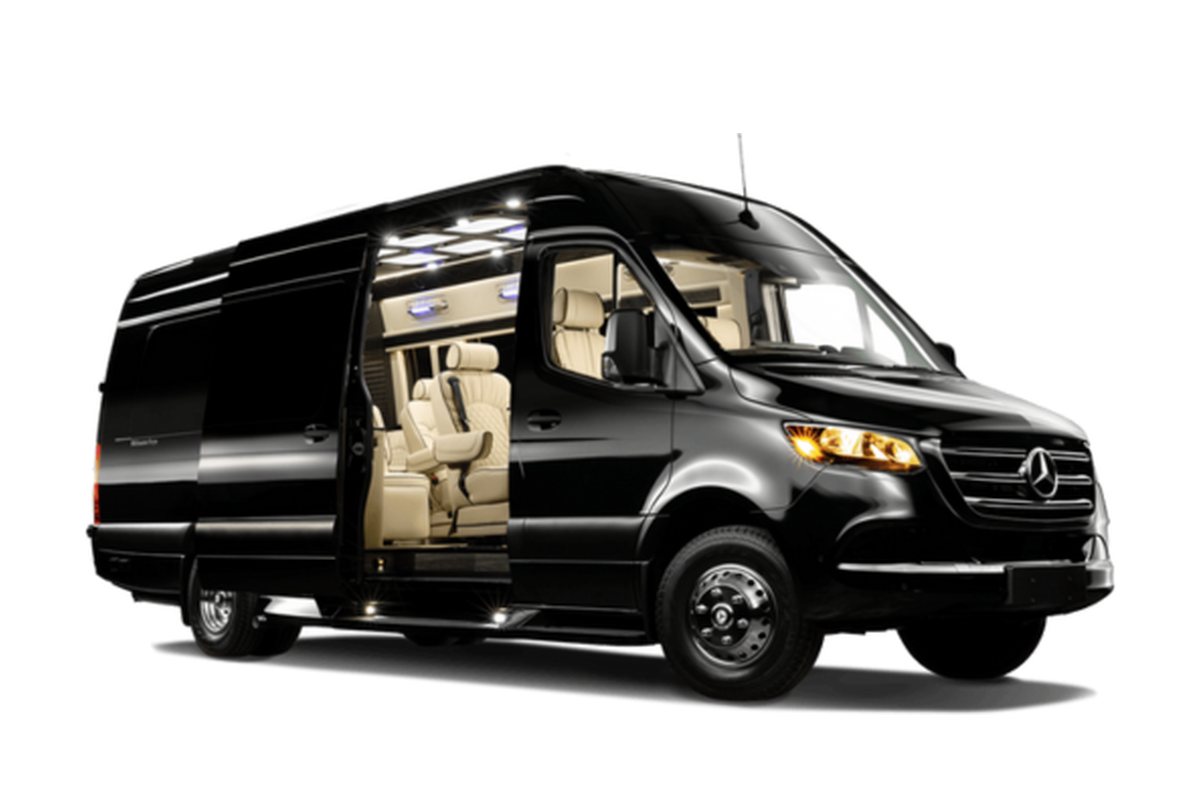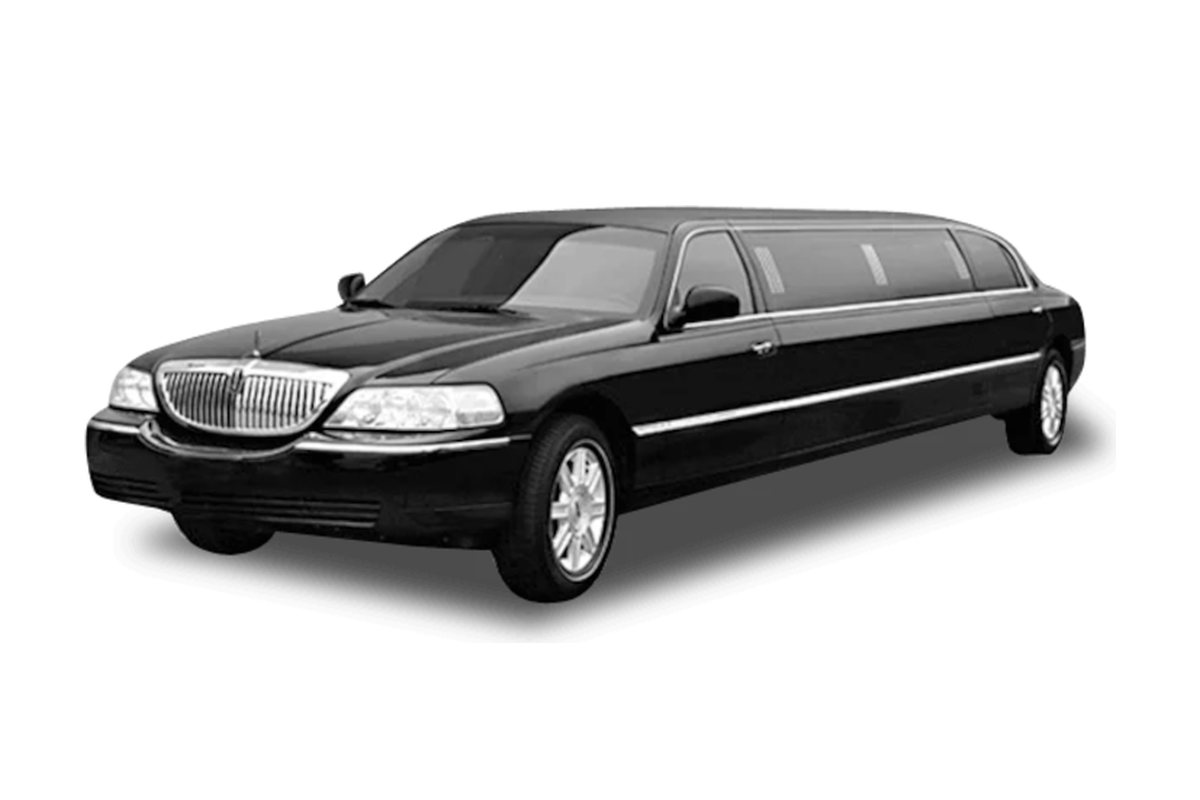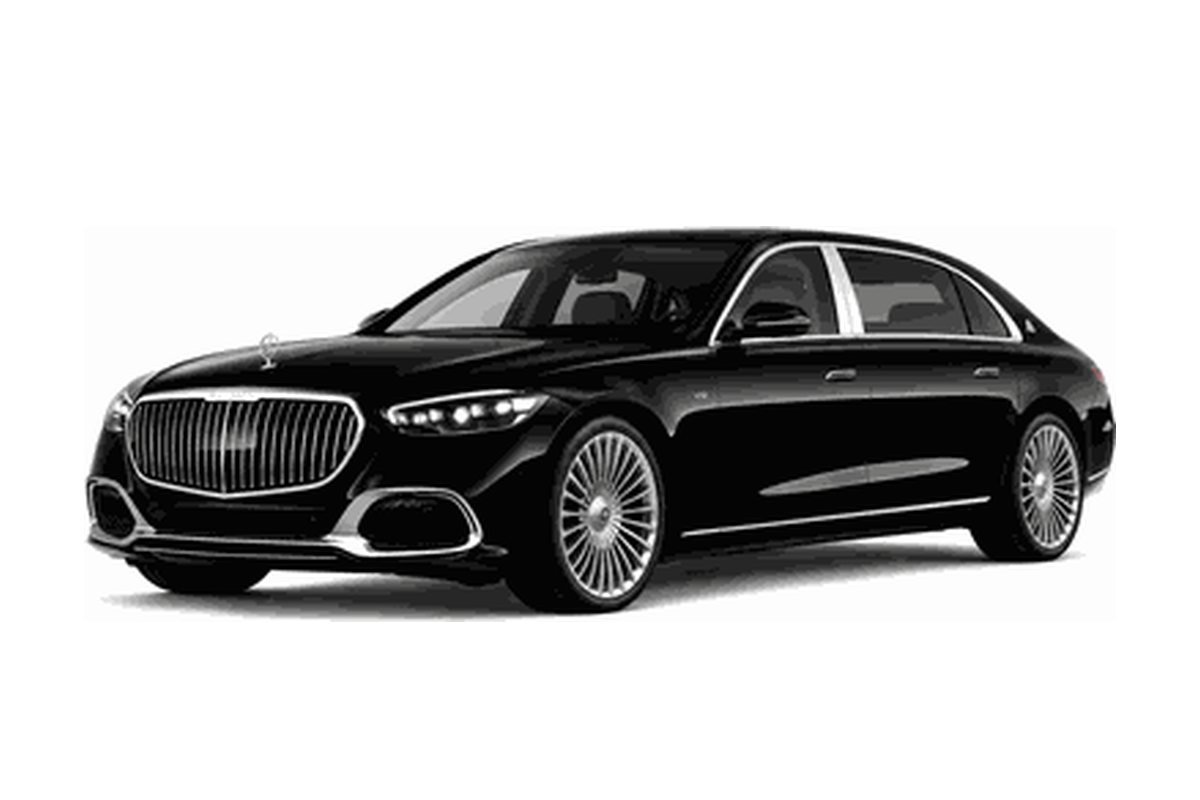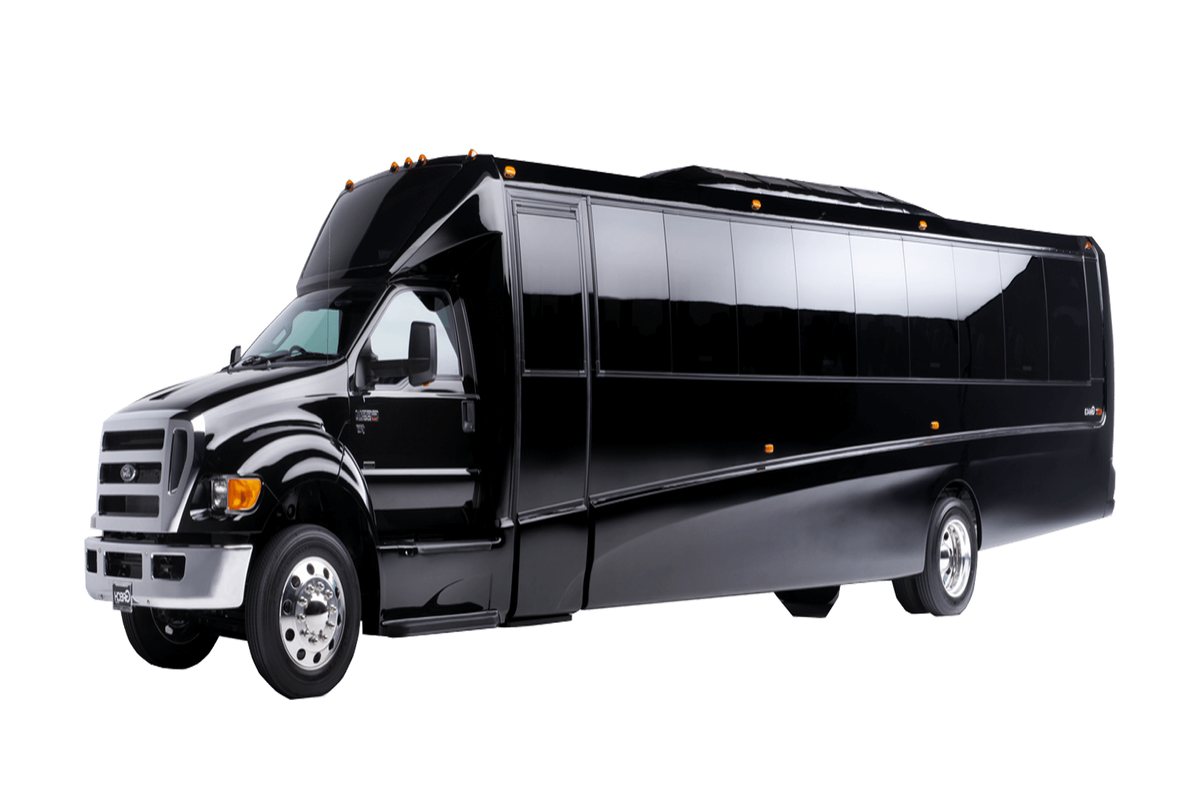
The funeral limo, or family car, usually carries the closest mourners: the spouse or partner, the children and their partners, and sometimes the parents or siblings of the person who died. It follows the hearse in the procession. There is no rule; families decide. A 6-seat SUV or 8–10-seat stretch covers most immediate families.
This is a gentle answer to a question families ask in a hard week. For vehicles, prices and how we work with funeral homes, see our funeral limo service in Hamilton. Here we cover the etiquette: who rides, in what order, and how to decide when the family does not fit the traditional picture.
Who rides in the funeral limo: the short answer
Traditionally the first family car carries the immediate family: the surviving spouse or partner and the children of the person who died. If there is room, the children's spouses, the parents of the deceased, or brothers and sisters join them. When there are more close mourners than seats, a second family car follows the first.
That is tradition, not law. Many families today put whoever the spouse needs beside them in the first car, which might be a best friend, a grandchild or a carer. The only real rule is kindness.
Why a family car at all?
On the day of a funeral, the people closest to the loss should not be navigating, parking or driving home tired. The family car lets them travel together from home to the funeral home or place of worship, from there to the cemetery or crematorium, and on to a reception, without any of them having to think about the road. It also keeps the family together in the procession, directly behind the hearse, which many people find comforting.
A traditional seating order
Funeral directors across Ontario commonly suggest something like this. Adapt it freely.
- First family car: spouse or partner; children; then children's partners or the deceased's parents as space allows.
- Second family car: grandchildren, siblings of the deceased and their partners.
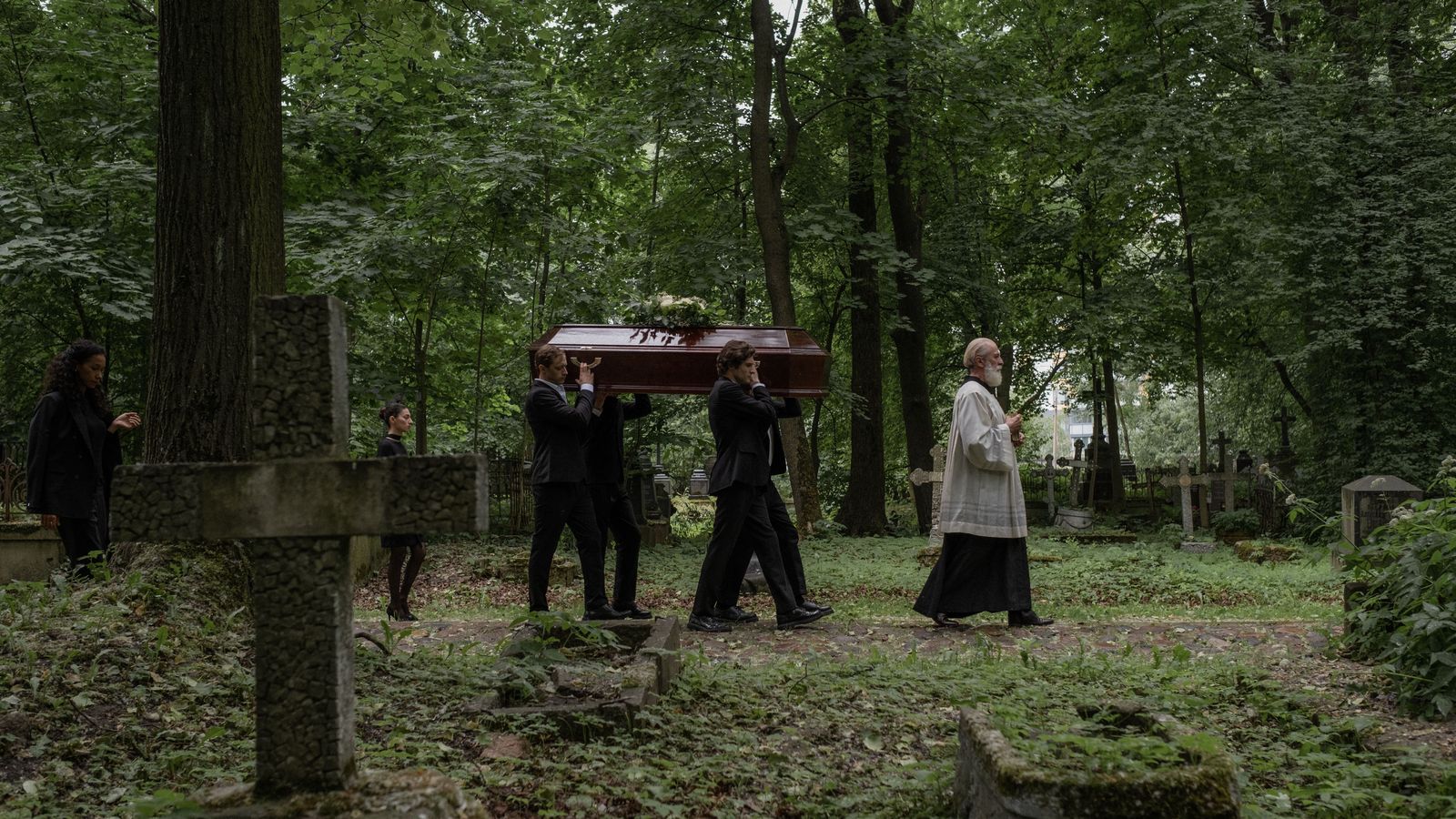
- Pallbearers: often travel in their own vehicle or a separate car, because they need to arrive at the graveside ahead of the family to carry the casket.
- Clergy or officiant: usually travels with the funeral director or in their own car, not in the family car.
- Everyone else: in their own vehicles, following the family cars.
When families do not fit the template
Real families rarely match a seating chart. Some situations we see often:
- Blended families. Two households who get on well may share one car; if not, two family cars travelling one after the other avoids tension without anyone being "second".
- A former spouse. Usually rides with their own children if the children want that, or in a following car. Ask the children.
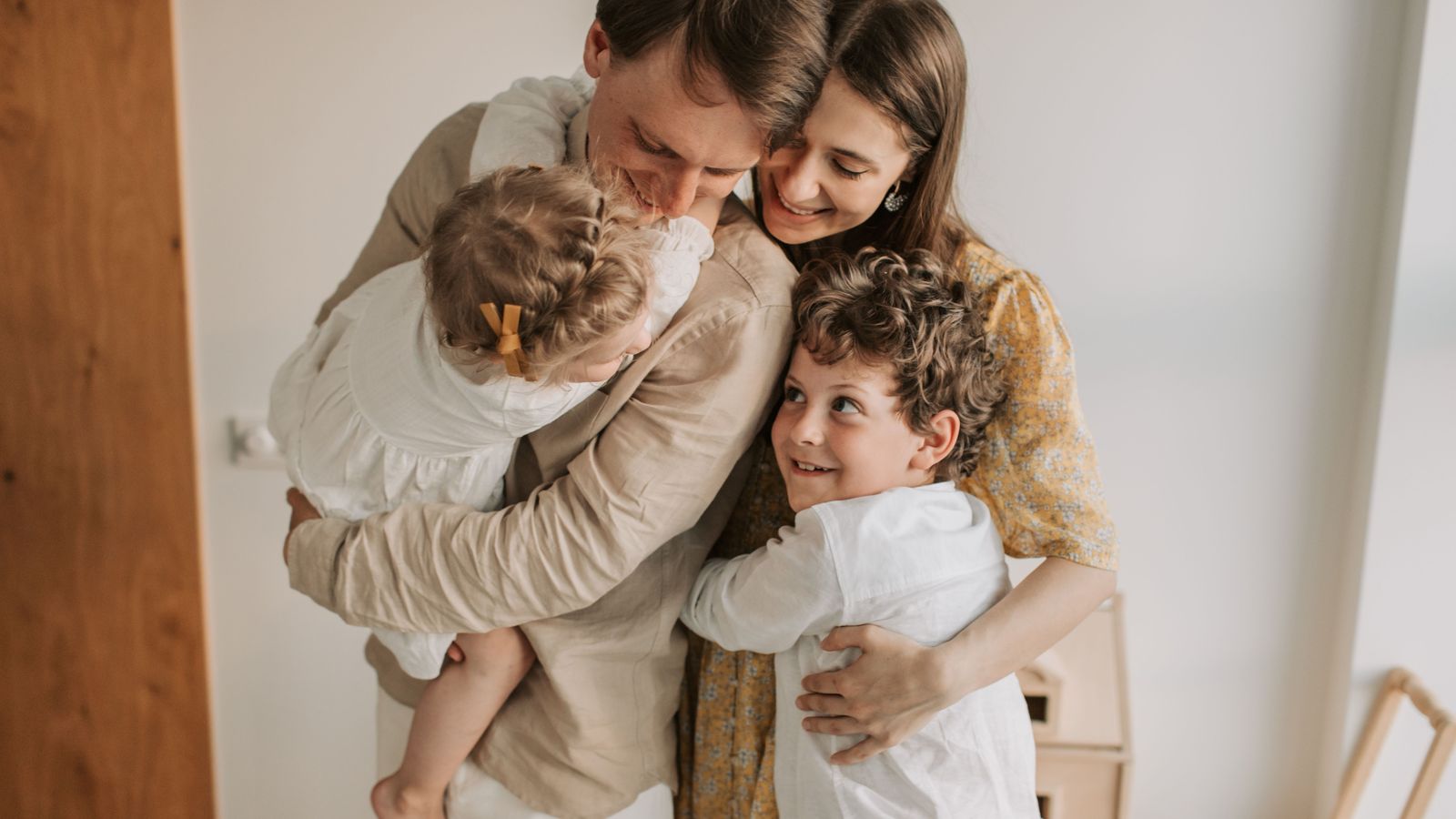
- Young children. They ride with a parent. Child seats are available on our own SUVs and vans, added at booking.
- An elderly parent of the deceased. Often placed in the first car with a family member beside them, even if that breaks the traditional order.
- A close friend or carer. If the spouse needs them, they belong in the first car.
The funeral director will ask these questions gently when planning the procession. It helps to have one family member decide the seating and tell the director and dispatch.
How many funeral cars do you need?
Count the people who should travel together, then match the vehicle. Our own fleet and our partners cover every size; figures are planning ranges, all-in plus HST.
| Mourners travelling together | Vehicle | Seats | Hourly planning range | Typical 4-hour booking |
|---|---|---|---|---|
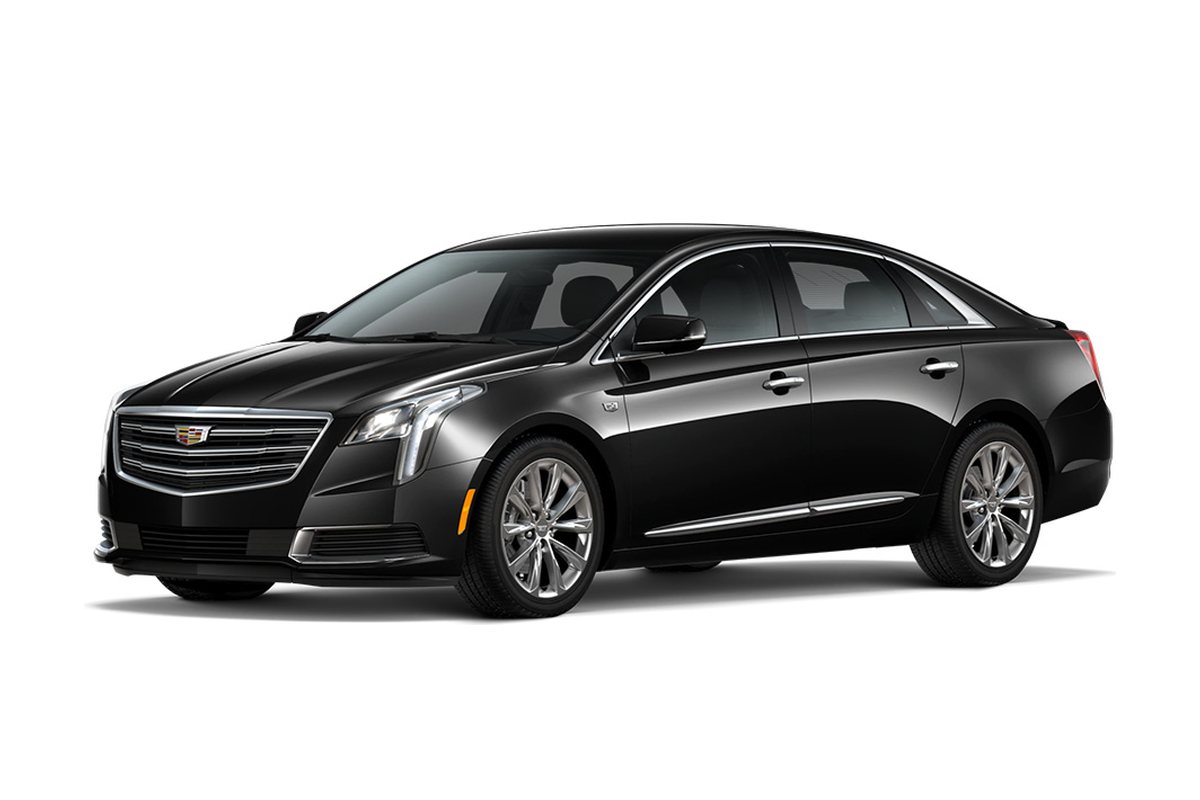
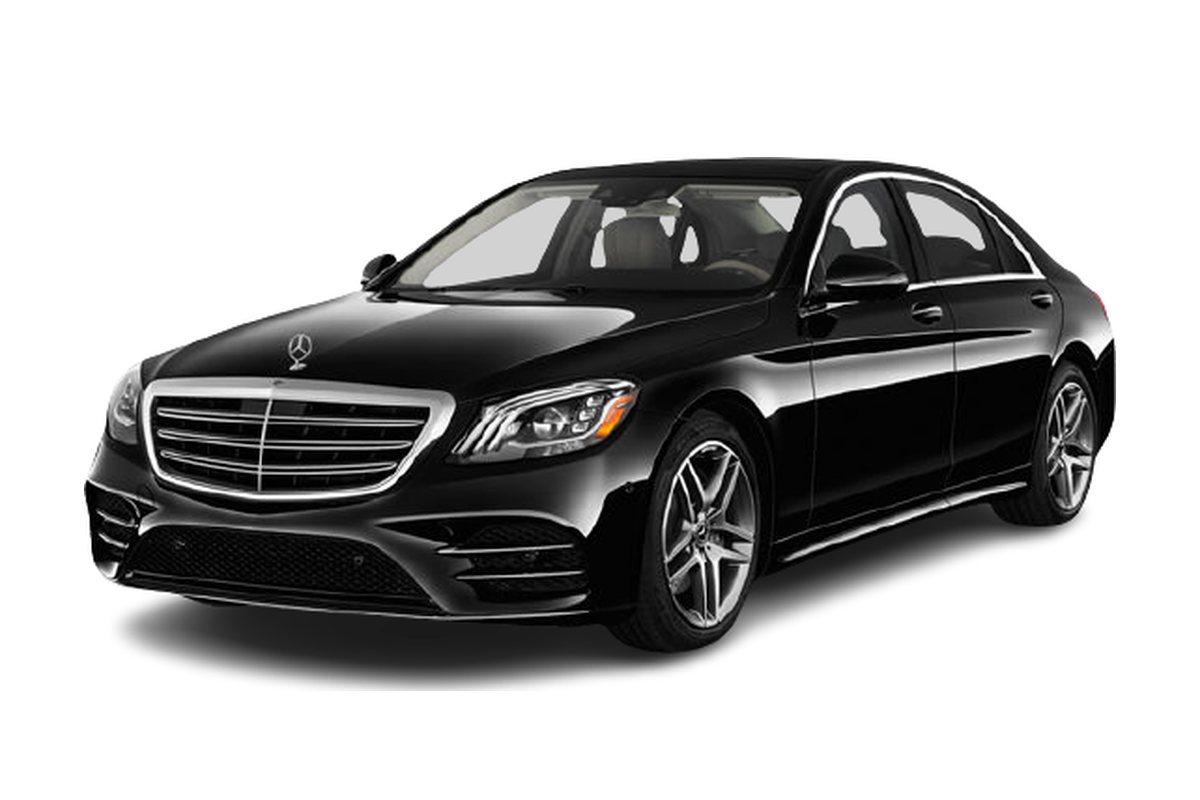
| 1–3 | Business or first-class sedan | 3 | $120–350 (3 h min) | $480–1,400 |
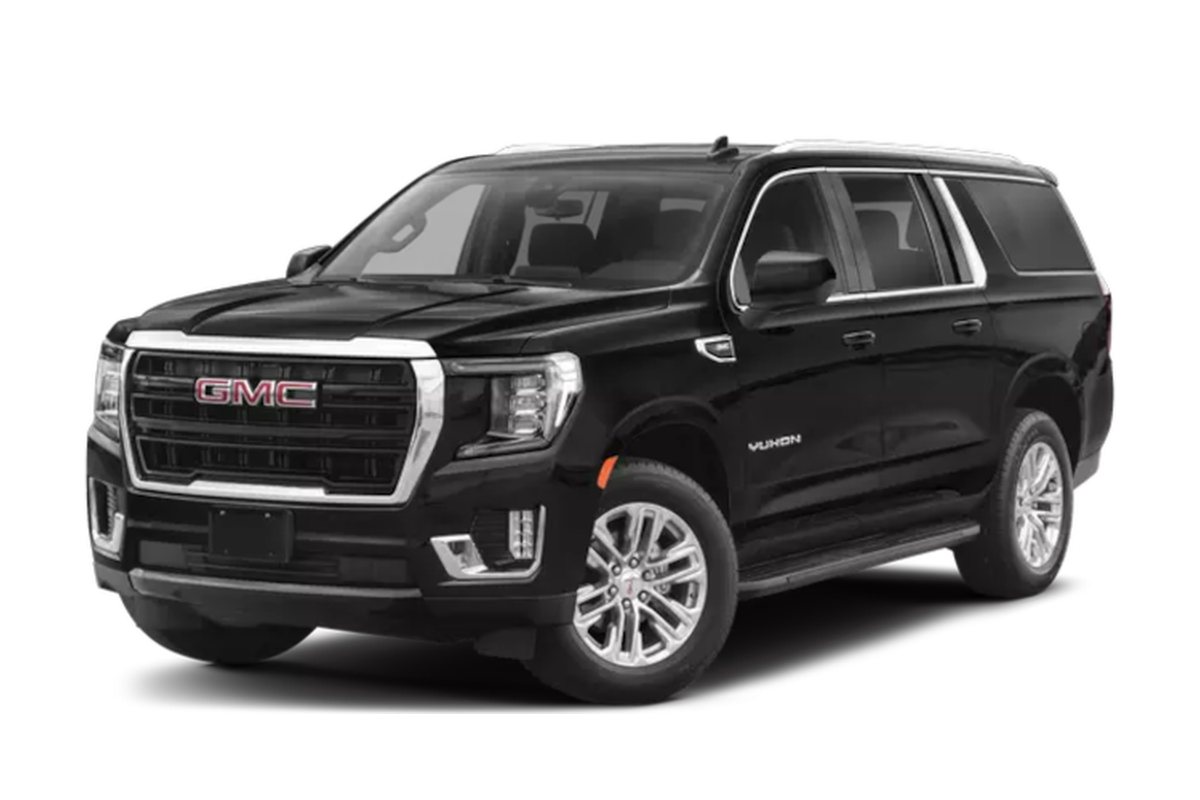
| 4–5 | Business SUV | 5 | $145–175 (3 h min) | $580–700 |
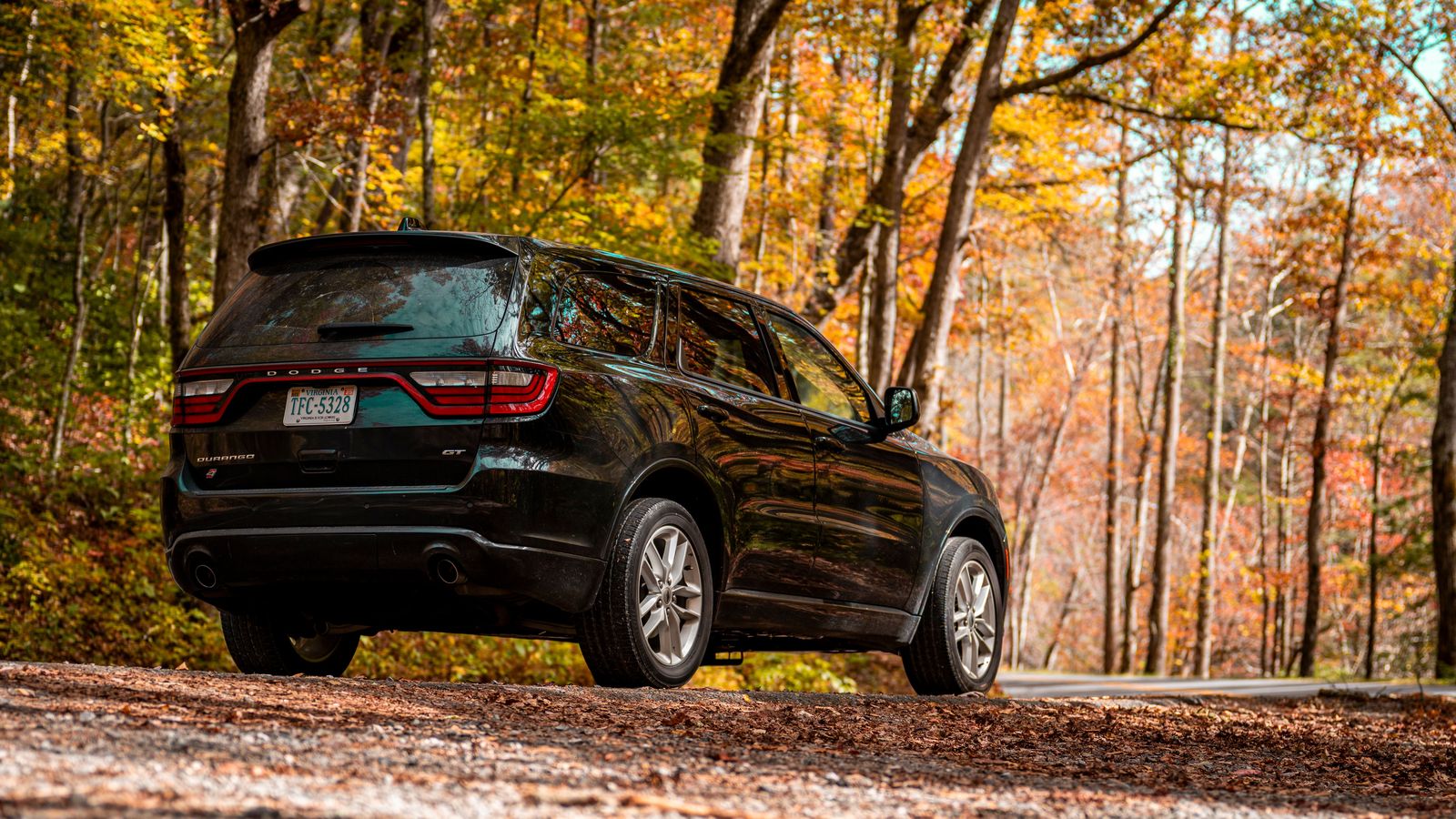
| 4–6 | Executive SUV or luxury van | 6 | $190–235 (3 h min) | $760–940 |
| 7–10 | Stretch limousine (partner) | 8–10 | $350–450 (4 h min) | $1,400–1,800 |
| 11–14 | Sprinter | 14 | $330–385 (3 h min) | $1,320–1,540 |
| 5–7, with room to sit together | Jet Sprinter | 7 | $650–750 (3 h min) | $2,600–3,000 |
| 15+ | Two vehicles, or a partner coach priced in writing | varies | varies | ask a coordinator |
A funeral day with a service, a burial and a reception usually runs 3–5 hours door to door. Stretch limousines come from vetted partner operators in the LimousineWorldwide.Directory network; HamiltonLimo.net remains your one contact.
Is a limousine appropriate, or is a sedan better?
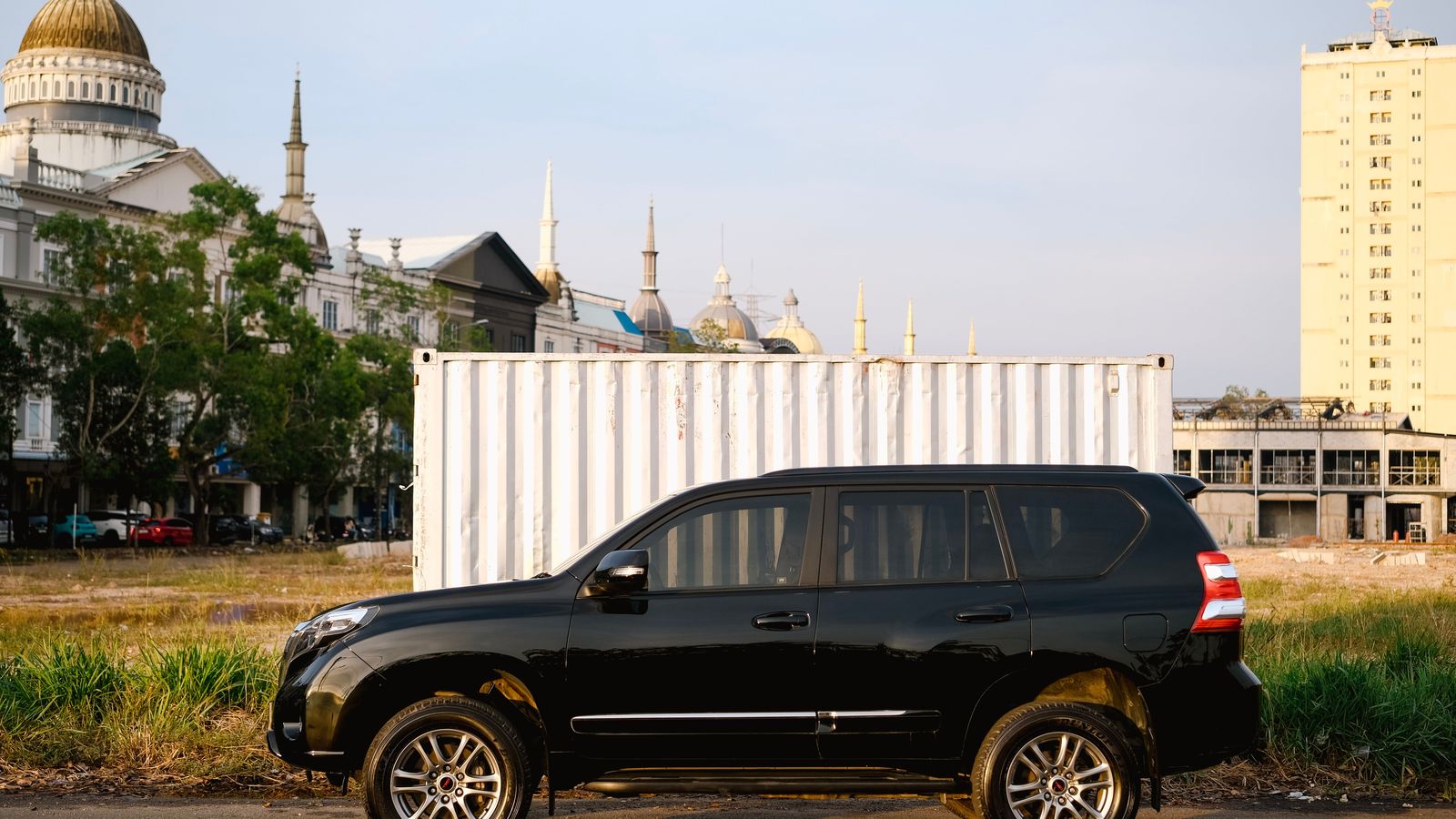
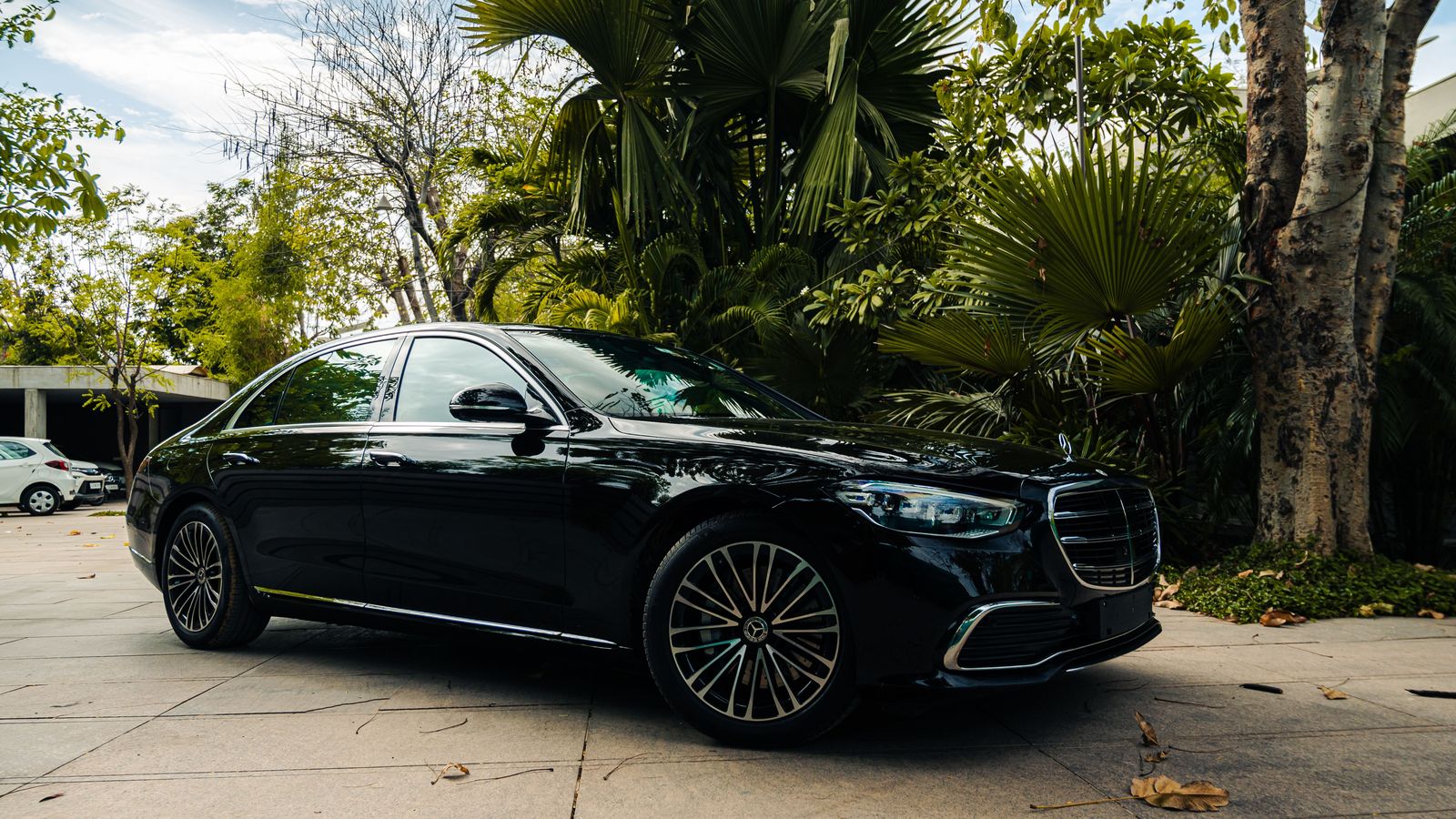
A black executive SUV or luxury van is now the most common family car in Hamilton: dignified, easy for older relatives to climb into, and roomy enough for six. A stretch limousine suits larger immediate families who want to stay in one vehicle. A first-class sedan suits a surviving spouse travelling with one or two children. There is no wrong choice; comfort matters more than tradition.
The order of the procession
The hearse leads, usually driven by the funeral home. The family cars follow immediately behind, then mourners in their own vehicles, often with small flags or hazard lights as the funeral director asks. The funeral director plans the route to avoid highways where possible. Every vehicle obeys traffic signals; a procession in Ontario has no automatic right of way, so the chauffeur keeps a steady, close pace and rejoins calmly if a light separates the cars.
Our chauffeurs take instructions from the funeral director for the procession itself.
A funeral day, step by step
- Pickup at the family home, 30–45 minutes before the family needs to be at the funeral home.
- Service at the funeral home or place of worship; the chauffeur waits nearby.
- Procession to the cemetery or crematorium, behind the hearse.
- Committal, with the chauffeur parked where the funeral director directs and ready to open doors for older mourners.
- Reception at a hall, restaurant or home.
- Home, when the family is ready, not when the clock says.
Hourly booking means nobody watches the time. Extra time is added in 30-minute blocks.
Family arriving from out of town
Relatives often fly in at short notice. Hamilton airport (YHM) is 15 km and 20–25 minutes from downtown; Toronto Pearson about 70 km and 45–65 minutes, a sedan planning range of $245–300. Flights are tracked, so a delay does not strand anyone. Our family arrivals and reunions page covers airport pickups, and our Pearson airport hotels and downtown Hamilton hotels pages help with rooms near the service.
Faith and cultural customs
Traditions differ. Some faiths hold the burial within a day or two, which makes booking fast; some processions walk part of the way; some families prefer white vehicles or no limousine at all. Tell the funeral director and dispatch, and we will follow the family's wishes.
Working with the funeral home, and consumer protection
Most families book the family car through their funeral home, and many funeral homes arrange it for them. Families can also book directly. Either way, the funeral home remains responsible for the service itself. Funeral, burial and cremation services in Ontario are regulated by the Bereavement Authority of Ontario, which publishes consumer information on contracts and pricing.
Paying and practicalities
Booking direct with HamiltonLimo.net shows the fixed all-in fare, with HST separate, before you confirm, and gratuity is included. Families often have one person book and settle the fare so nobody has to think about payment on the day. Cancellation follows our standard terms, measured from pickup; a funeral date that changes is simply moved when the vehicle is available.
Book the family car direct
Book on HamiltonLimo.net's own reservation engine or ask the funeral director to share the times with dispatch. No app, no aggregator, one dispatch desk. If a quieter option suits better, our private chauffeur service can simply take a widow or widower to and from the service, and our chauffeur etiquette guide explains what to expect from the driver.
Before the funeral: visitations and arrangements
The days before a funeral often involve their own travel: meetings with the funeral director, visitation evenings at the funeral home, a trip to choose flowers or a headstone. An elderly widow or widower who no longer drives, or who should not drive while grieving, can be taken to each appointment by one chauffeur on an hourly booking. The same chauffeur on the funeral day is a familiar, reassuring face.
Weather and the cemetery
Hamilton's larger cemeteries sit on both levels of the city, and several funeral routes climb the escarpment. In winter the chauffeur allows extra time for the Mountain accesses and checks Environment Canada forecasts on the morning. At the graveside, vehicles park where the funeral director directs; the chauffeur keeps umbrellas in the car and will walk older mourners to the graveside on an arm if needed.
Celebrations of life and receptions
Many Hamilton families now hold a celebration of life rather than a traditional funeral, sometimes weeks later, at a hall, a club or a restaurant. Transport then looks more like a family gathering: guests collected from a hotel, older relatives driven home early, and perhaps a car for the immediate family. A Sprinter shuttling from a hotel to the venue works well; see our Sprinter group transportation page.
What the chauffeur does, and does not do
The chauffeur arrives early, in dark formal clothing, and waits beside the car. They open doors, help with coats and umbrellas, and keep conversation to what the family begins. They do not photograph, do not take calls near the family, and do not hurry anyone. If a family member is overwhelmed, the chauffeur waits. When the day ends, they take everyone home in the order the family asks.
Booking at short notice
Deaths are not scheduled. Many funerals are arranged within a few days, and some faiths hold the burial within a day or two. Dispatch handles short-notice family cars regularly; the earlier the funeral home confirms the times, the more vehicle choice the family has. Relatives flying in can be collected from Hamilton airport or Toronto Pearson with flight tracking.
Children at a funeral
Whether young children attend is a family decision. If they do, they ride with a parent in the family car, with a car seat or booster fitted in advance. Some families arrange a separate car to take small children home after the service while the adults go on to the committal; the chauffeur can do that run and return.
A note for whoever is arranging it
If you are the one making these decisions in a hard week, keep it simple. Decide who must be in the first car, count the seats, and let the funeral director and dispatch take care of the rest. Nobody at a funeral remembers the seating chart; they remember being looked after.