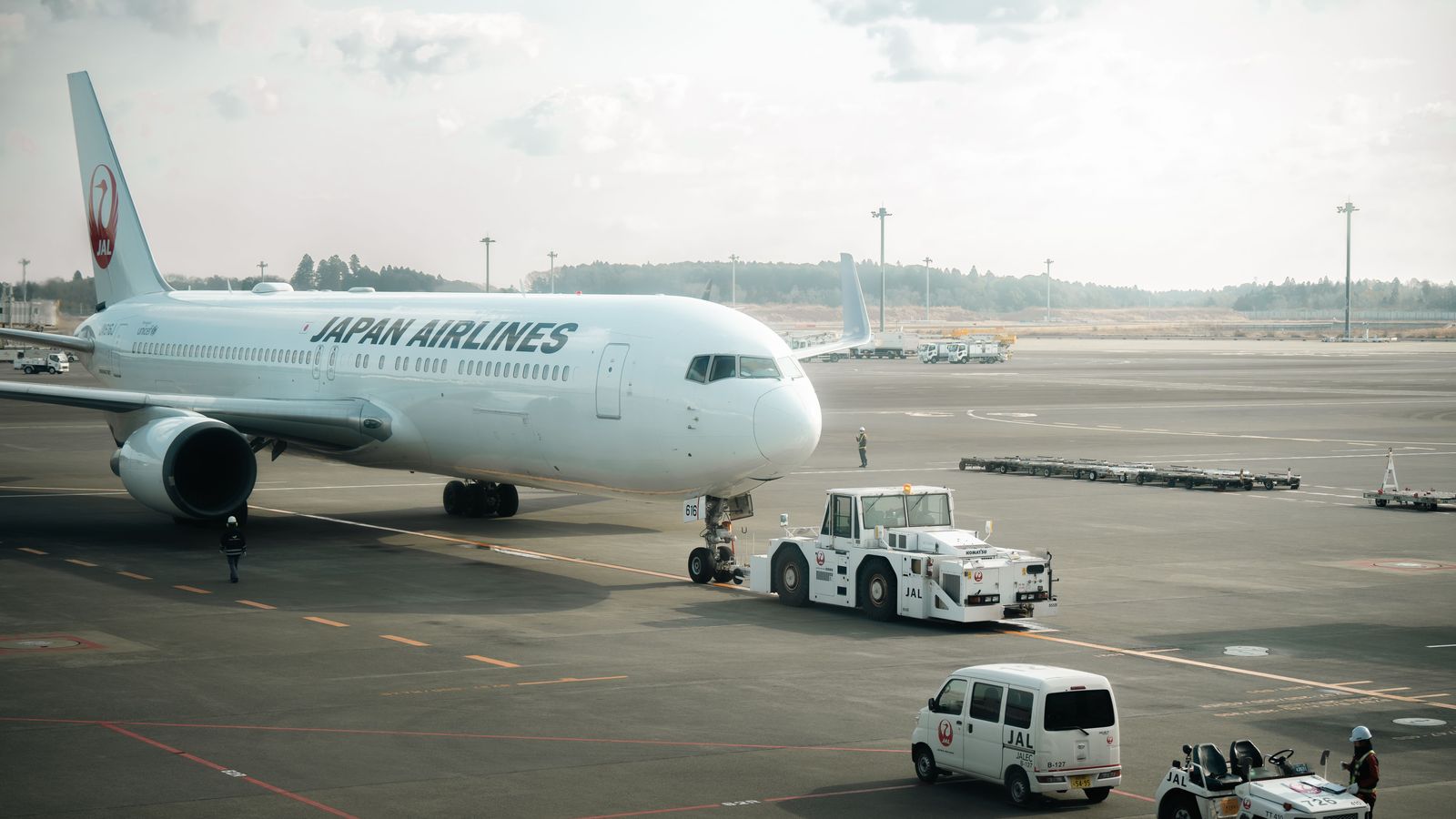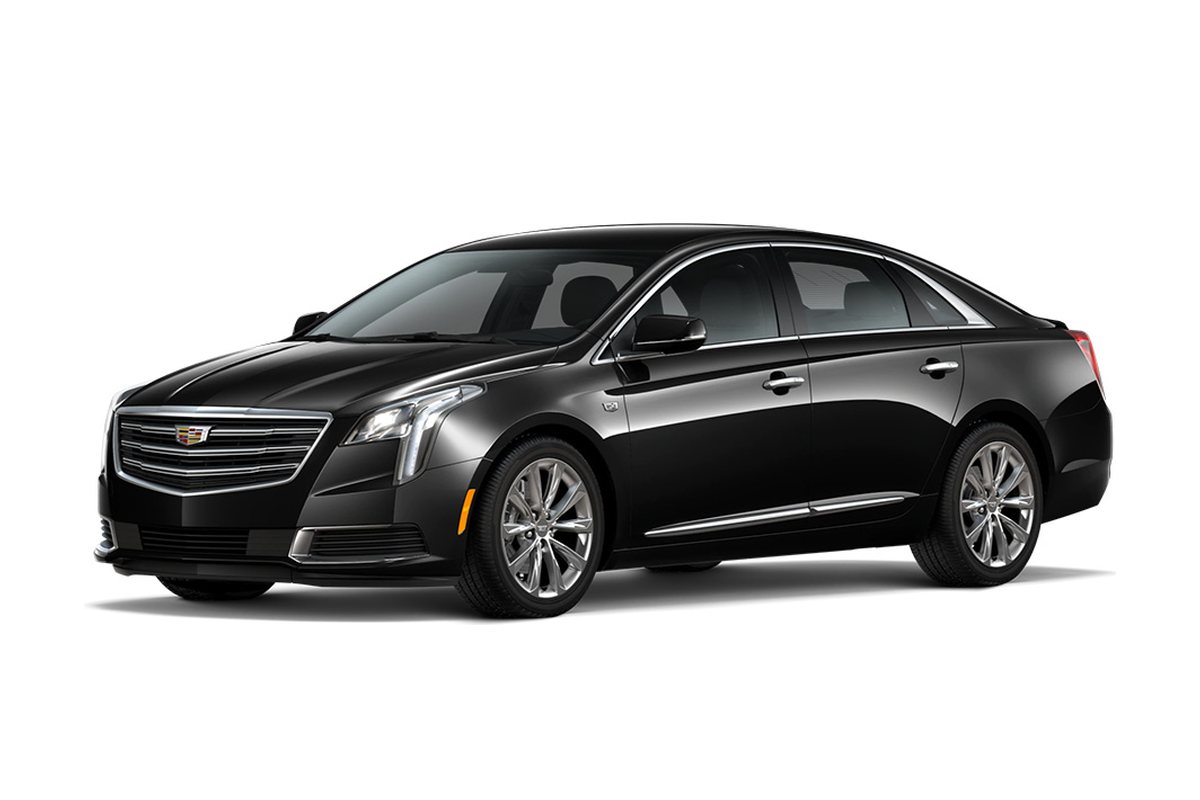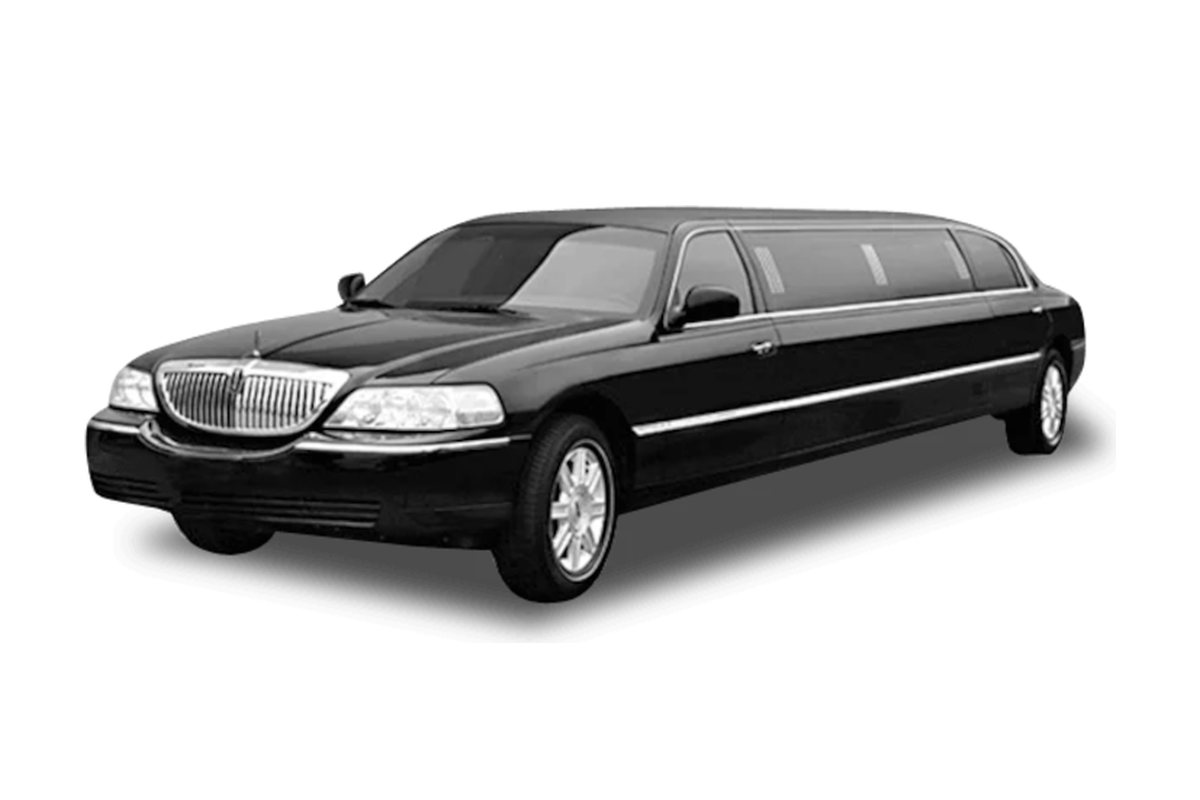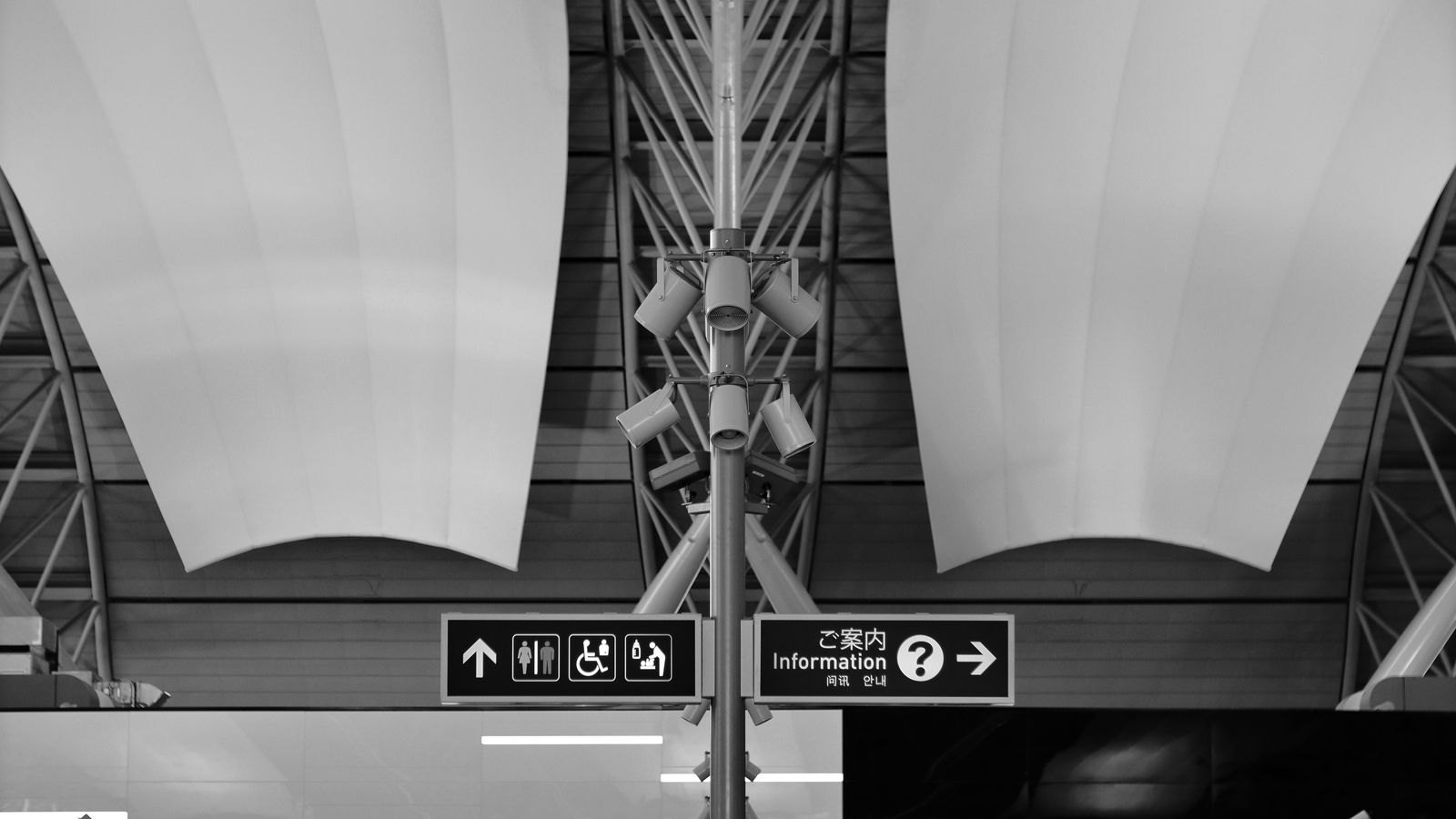


Whether you need Pearson Terminal 1 or Terminal 3 depends on the airline operating your flight, not the one that sold the ticket. Check your airline booking or app, or look up the flight number on torontopearson.com, the day before and the morning you fly. If you are dropped at the wrong terminal, the free Terminal Link train connects Terminals 1 and 3.
Pearson Terminal 1 or 3: which one do I need?
Toronto Pearson has two passenger terminals, Terminal 1 and Terminal 3, and they are not next door to each other. Each airline is assigned to one of them, and the assignment is decided by the airport and the airlines, so it can change. Our Toronto Pearson airport page explains how the drop-off and pickup work at each; this post is about getting the terminal right in the first place — the five checks that always work, the codeshare trap that catches experienced travellers, and a calm plan for the day you get it wrong. The short rule: go by the operating airline of your specific flight, and check it again on travel day.
Five reliable ways to find your terminal
- Your airline booking or e-ticket. Most confirmations show the departure terminal next to the airport code.
- The airline's app. It shows the terminal and often the check-in zone, and it updates if something changes.
- Pearson's flight lookup. Enter the flight number on torontopearson.com; the departures listing shows the terminal.
- Your boarding pass, once you have checked in online.
- Our dispatcher. Give us the flight number at booking and we confirm the terminal the day before; the chauffeur rechecks it on the morning of travel.
Use at least two of these. If they disagree, the airline's app is the most current.
The codeshare trap
A codeshare flight is sold by one airline but flown by another, and the terminal belongs to the airline that operates it. You might book on one carrier's website, see its flight number on your confirmation, and then find the flight is operated by a partner that uses the other terminal. Look for words such as "operated by" on your itinerary. Many travellers think of Air Canada as a Terminal 1 airline and WestJet as a Terminal 3 airline, which is a useful starting point, but codeshares, partner flights and airport changes mean you should confirm the actual flight rather than rely on the brand. Check the operating carrier's own site — Air Canada, WestJet or whichever airline flies you.
Connections: the first leg and the second leg can differ
If your trip starts at Pearson with one airline and connects elsewhere to another, only the first flight matters for your terminal in Toronto. The reverse matters on the way home: if you connect at Pearson from one airline to another, you may arrive in one terminal and leave from the other. Airlines and the airport sign connection routes; allow time for them. For a flight arriving at Pearson and continuing to Hamilton by car, tell us the flight you land on, not the one you started with.

What if you are dropped at the wrong terminal?
It happens, and it is fixable. Pearson's free Terminal Link train connects Terminal 1, Terminal 3 and the Viscount station at the long-term parking area. Taking it is usually faster than getting back in a car and working through the airport roads. What to do:
- Check the terminal in your airline app before the car leaves the curb, if you can.
- If the car has left, follow the signs to the Terminal Link inside the terminal.
- Keep your bags with you; the train takes luggage carts.
- Call your airline if the bag-drop cut-off is close.
Allow about 15–20 minutes for the whole detour, including walking. Current Terminal Link service is on Pearson's site.
How a HamiltonLimo.net chauffeur handles terminals
We never assume. The terminal is part of every Pearson booking, confirmed from the flight number the day before, and rechecked by the chauffeur on the morning of departure. On the road the chauffeur asks you to confirm again from your app, then drops you on the departures level at the door closest to your airline's check-in zone where the curb allows. The car cannot wait at the departures curb, so the check happens before you get out. For arrivals, the flight tracking tells the chauffeur which terminal you land in, and you receive pickup instructions for that terminal.
Terminal 1 and Terminal 3 compared for a Hamilton traveller
| Terminal 1 | Terminal 3 | |
|---|---|---|
| Getting there from Hamilton by car | About 70 km, 45–65 min | About 70 km, 45–65 min |
| Sedan fare from downtown Hamilton | $245–300 all-in + HST | $245–300 all-in + HST |
| GO bus route 40 from Hamilton | Stops here | Take Terminal Link from T1 |
| UP Express from Union Station | Stops here | Take Terminal Link from T1 |
| Pre-arranged car pickup | Commercial pickup area | Commercial pickup area |
The fare is the same for either terminal. The difference for transit riders is real: the bus and UP Express serve Terminal 1, so a Terminal 3 flight adds a transfer. Our GO bus versus limo guide covers that trade-off.
Why terminal assignments change
Airlines move terminals when the airport reorganises gates, when alliances or partnerships change, or when a new airline starts service. Charter and seasonal sun operators may use different areas from year to year. That is why an itinerary booked in January for a July flight should be rechecked the week before. If a change happens, the airline normally notifies you; the Pearson lookup reflects it.

Groups and families on different flights
Wedding parties and families often fly on different airlines to the same event. Two sets of travellers may need both terminals within the same hour. We handle this with one vehicle and two stops when the timing works — a Sprinter or executive SUV drops the Terminal 3 group first and continues to Terminal 1 — or with two cars when it does not. Tell us every flight number at booking. For large programmes, see family arrivals and reunions.
Returning home: which terminal will I land in?
On arrival, the terminal is the one your arriving flight uses, which may not be the one you left from. We track the flight and send the pickup instructions for the right terminal. Included waiting starts at actual landing — 30 minutes for Canadian domestic and US flights, 60 minutes for other international arrivals — and the chauffeur comes to the commercial pickup area when you message that you have your bags. The step-by-step is in our post on where to meet your driver at Pearson arrivals.
Private flights use neither terminal
Business aircraft do not use Terminals 1 or 3. They use the fixed-base operators on the airfield, and the chauffeur meets the aircraft at the FBO door, working to the tail number. If your trip is on a private jet, book it through our Pearson FBO page instead, and tell us whether the aircraft clears customs on arrival.
Staying near the airport the night before
If your flight is early and you want the terminal question settled the night before, stay at one of the Pearson airport hotels. Many are a short ride from both terminals, and you can check the terminal at breakfast. We drive guests from Hamilton to the hotel the evening before, or from the hotel to the terminal in the morning.
Using the terminal day for more than a flight
Some Pearson trips are really two jobs: dropping one family member at Terminal 3 in the morning and collecting another at Terminal 1 in the afternoon, with lunch and a shopping stop in Mississauga between. Booked as two one-way transfers, that is two round trips of 70 km each way. Booked as an hourly chauffeur, a business sedan at $120–145 per hour (3-hour minimum) stays with you between the two terminals, and the chauffeur handles both curbs.
Departures level and arrivals level are different roads
Each terminal has separate roads for departures and arrivals, one above the other. When you leave Hamilton for a flight, the chauffeur follows the departures signs for your terminal and stops at the upper curb. When you land, pre-arranged cars come to the commercial pickup area on the arrivals side, which is a different place from both the departures curb and the public pickup lanes where friends and family stop. Knowing this helps if you are meeting someone: a relative waiting on the departures curb for an arriving passenger will be asked to move on, and the traveller will be looking for them on the wrong level.
Tips for older travellers and first-time flyers
For a parent flying alone or a first-time flyer, the terminal is only half the question; the other half is finding the right zone inside it. Write the terminal and the airline's check-in zone on a card, together with the flight number. Book airline wheelchair assistance through the airline if walking distances are a concern, and tell us so the chauffeur drops at the nearest door and helps with bags to the entrance. On the return, add meet and greet (a planning figure of $25–35) so the chauffeur waits inside arrivals with a name board.
Coming from Burlington, Ancaster or Stoney Creek
The terminal does not change the fare, but your address does. Burlington pickups are about 50 km from either terminal and a little lower than downtown Hamilton; Ancaster, Dundas and Stoney Creek are further and a little higher. The engine prices each street, and the chauffeur's route to the departures level is the same for both terminals once you reach the airport roads.
A one-minute checklist
- Find the operating airline of your flight.
- Check its terminal in the app and on Pearson's site.
- Give the flight number when you book the car.
- Recheck on the morning you fly.
- If wrong, take the Terminal Link rather than the road.
Booking with the terminal built in
Book on HamiltonLimo.net's own engine with your flight number and the terminal if you know it. The dispatcher confirms it, the chauffeur checks it again, and the fixed fare — $245–300 for a business sedan from downtown Hamilton, all-in plus HST — does not change whichever terminal it is. No app to install, no aggregator. Fares for every vehicle are on the Hamilton to Pearson airport route page.